Why Looking 'Healthy' Can Be Deceiving — And How To Fix It for Good
Estimated Read Time: 7 minutes
TL;DR:
You can look "thin" and still be unhealthy. The term "skinny fat" describes people who appear lean but actually carry too much fat and too little muscle. This combination — known as sarcopenic obesity — increases your risk for diabetes, cardiovascular disease, and early aging. The fix? Prioritize strength training, adequate protein, real food, and quality recovery. At TNT Strength in Oakland, we help people of all ages replace soft, weak tissue with strong, functional muscle — safely and efficiently.
Looks Can Be Deceiving: What "Skinny Fat" Really Means
You've probably met someone who looks fit in clothes but lacks real strength or tone. Or maybe that person is you. The scale says you're fine, your BMI falls in the "normal" range… yet you feel soft, sluggish, and weak.
That's the trap of skinny fat — a body that appears lean but hides an unhealthy mix of low muscle mass and high body fat, especially the dangerous visceral fat around your organs.
Science backs this up. Research in Obesity Reviews found that body composition — not BMI — is a stronger predictor of long-term health outcomes. Translation: It's not your weight that matters most; it's what that weight is made of.
Here in Oakland's Rockridge District, we see this every week. Professionals who've dieted hard or done endless cardio come in looking "fit" but lacking muscle density and metabolic resilience. The good news? You can turn it around — fast.
Why People Become "Skinny Fat"
1. Sedentary Lifestyle
Without strength training, your muscle mass declines — even if you're not gaining weight. Many people who rely solely on cardio or do no exercise at all lose muscle over time and replace it with fat.
2. Aging and Muscle Loss
After age 30, you start losing 3–8% of your muscle each decade — unless you actively fight it with resistance training. This process, called sarcopenia, is one of the main reasons people become frail as they age.
3. Poor Diet
Too many refined carbs, processed foods, and sugars lead to fat storage — especially visceral fat. A lack of quality protein makes it nearly impossible to maintain muscle.
4. Stress and Sleep Deprivation
Chronic stress raises cortisol, which breaks down muscle and promotes fat gain. Poor sleep makes it worse, lowering testosterone and growth hormone — two key drivers of muscle building.
5. Genetics (But Not Destiny)
Yes, your genetics may affect how you store fat, but your training and nutrition habits determine how those genes express themselves.
How to Tell if You're Skinny Fat
You might be skinny fat if you:
- Have a normal BMI but high body fat percentage (over 20% for men, 30% for women)
- Look soft or lack muscle tone even at a "healthy" weight
- Struggle with strength-based exercises
- Feel tired, crave sugar, or have stubborn belly fat despite eating "clean"
At TNT Strength, we use advanced tools and expert observation to assess true body composition — not just the number on the scale.
How To Fix "Skinny Fat" (For Good)
1. Prioritize Strength Training
If you're not lifting, you're losing. Strength training is the #1 solution to skinny fat. It builds lean tissue, burns fat, and revs your metabolism long after the workout ends.
Research from The Journal of Strength and Conditioning Research shows that progressive resistance training improves body composition better than any other method.
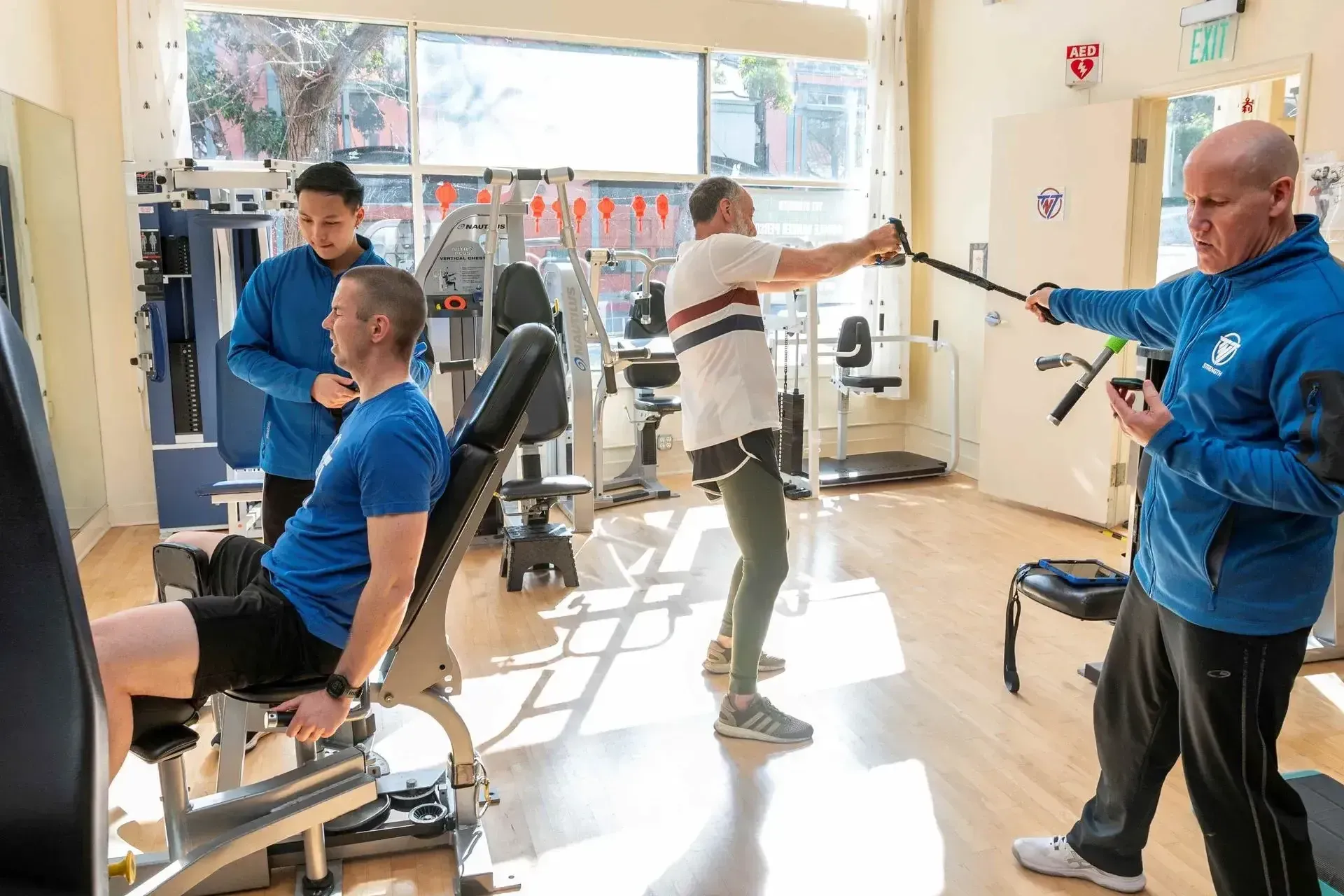
At TNT Strength Oakland, we specialize in safe, efficient, high-intensity resistance training — often just once or twice a week — to help you gain muscle and lose fat simultaneously.
2. Eat More Protein
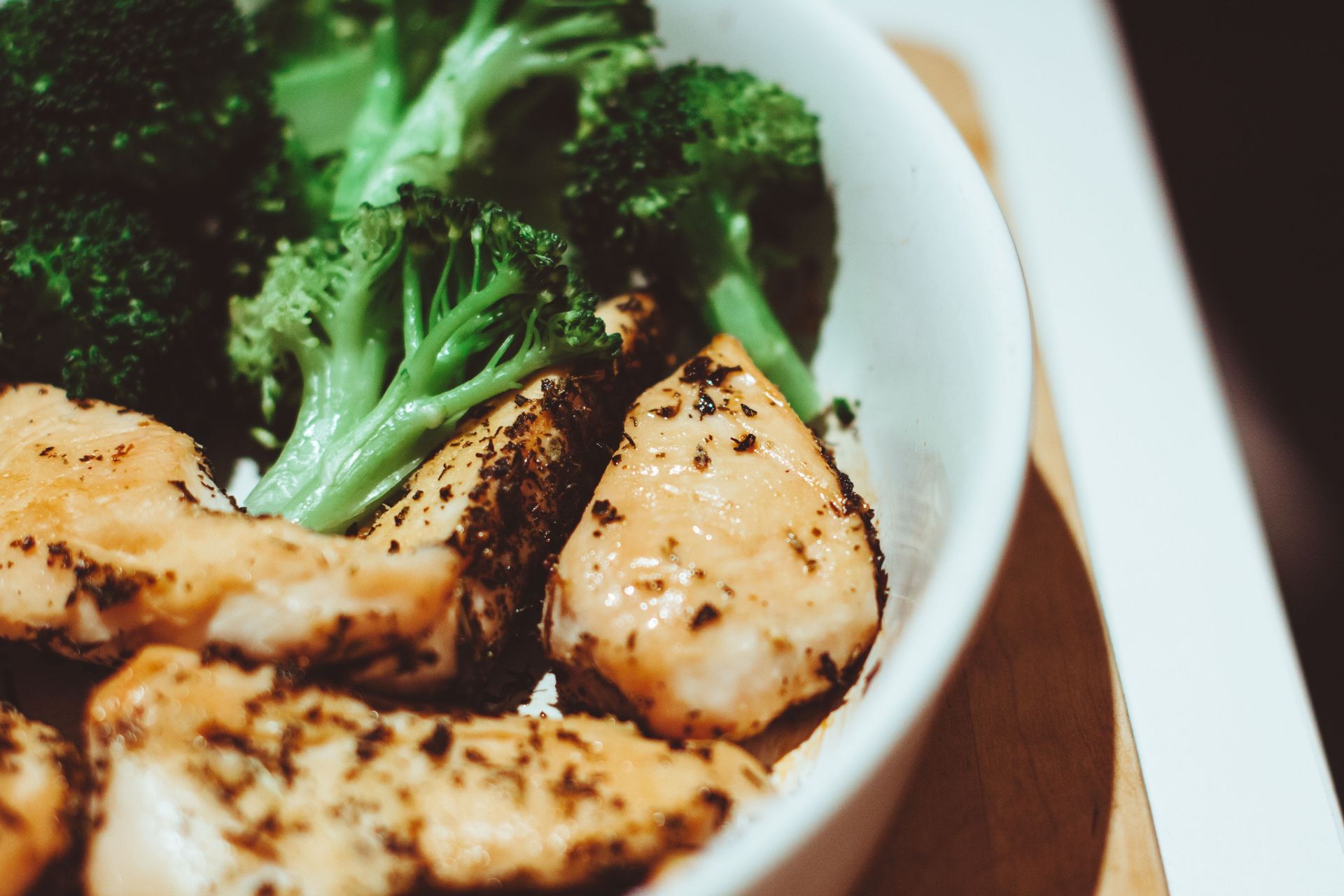
Aim for 0.75–1.0 grams of protein per pound of ideal body weight per day. Protein keeps you full, stabilizes blood sugar, and provides the building blocks for lean muscle. Excellent sources include grass-fed beef, eggs, wild-caught fish, chicken, and quality protein powders.
3. Reduce Processed Carbs and Sugar
Cut out ultra-processed foods and focus on whole, nutrient-dense options. A moderate to low-carb approach can stabilize insulin and help reduce visceral fat.
4. Add High-Intensity Intervals (HIIT)
Short, focused bursts of effort followed by rest improve cardiovascular health and burn visceral fat. Even one or two brief HIIT sessions per week can make a big difference — especially when combined with resistance training.
5. Sleep and Stress Management
Recovery drives results. Aim for 7–9 hours of quality sleep nightly, and practice stress reduction techniques like breathing drills, mindfulness, or simply walking through Oakland's Lake Merritt or the Rockridge neighborhood after your TNT session.
6. Stay Consistent
The biggest transformation doesn't come from "crushing it" once — it comes from showing up consistently. Just one well-designed, supervised strength session per week can deliver life-changing results.
7. Track Progress the Right Way
Skip the bathroom scale obsession. Focus instead on performance (how much you lift), photos, and body composition tracking. At TNT Strength, we track strength improvements and muscle gain — not just pounds lost.
TAKU's NOTE:
Being "skinny fat" isn't about vanity — it's about vitality. You deserve to move well, feel strong, and live longer. Strength training gives you all of that — and it doesn't require hours in the gym.
So if you're in Oakland, Montclair, or Piedmont, and you're ready to replace weakness with real strength, come see us at TNT Strength. We'll help you rebuild your body from the inside out — safely, efficiently, and effectively.
FAQ: Skinny Fat Explained
Q: Can you fix skinny fat without lifting weights?
Not effectively. You can lose fat through diet and cardio, but you'll never build lean, firm muscle without resistance training.
Q: How long does it take to reverse skinny fat?
Most TNT clients notice significant changes in 8–12 weeks — especially when combining strength training with a high-protein, whole-food diet.
Q: Should I do cardio if I'm skinny fat?
Light or moderate cardio is fine, but it should complement — not replace — your strength workouts.
Q: What's the best diet for skinny fat?
A diet built around whole foods and adequate protein (not extreme restriction) works best. Our TNT coaches can help you customize a plan.
Q: I live in the East Bay — can I train with TNT Strength?
Absolutely. Whether you're in Rockridge, Montclair Village, or Piedmont, we'll design a program that fits your goals and your lifestyle. Just one or two 30-minute workouts a week can completely transform your body composition.
References
- Mørkeberg J, et al. (2015). Body composition and health outcomes: Is BMI the best indicator? Obesity Reviews , 16(7):600–617.
- Rosenberg IH. (1997). Sarcopenia: origins and clinical relevance. The Journal of Clinical Endocrinology & Metabolism , 82(12):3913–3915.
- Schoenfeld BJ, et al. (2016). Resistance Training for Muscle Hypertrophy. The Journal of Strength and Conditioning Research , 30(4):1070–1085.
- Leidy HJ, et al. (2015). The role of protein in weight loss and maintenance. The American Journal of Clinical Nutrition , 101(6):1320S–1329S.
- Yancy WS, et al. (2004). A low-carbohydrate, ketogenic diet to treat obesity and hyperlipidemia: a randomized, controlled trial. The Journal of Clinical Nutrition , 79(5):905–910.
- Boutcher SH. (2011). High-intensity intermittent exercise and fat loss. Journal of Obesity , 2011:868305.
Experience the TNT Strength difference with a free workout.
START YOUR FITNESS TRANSFORMATION WITH A
FREE WORKOUT
Complete the form and we'll set up an appointment for you.
Recent Articles