Exercise Is Not Just "Moving More" — It's Doing Enough

Estimated Time to Read: 8–9 minutes
TL;DR: Most public guidance about "moving more" leans too low in intensity and too high in frequency/duration to drive real body change. Daily movement (NEAT) is valuable — it boosts energy expenditure and supports health — but brief, high-effort exercise (especially resistance and higher-intensity training) wins on fat loss, muscle preservation, metabolic health, and adaptation by scientific measures. There's a clear difference between general activity (any movement) and exercise (planned, structured, progressive effort).
For years we've been told the formula: move more, sit less, aim for 200–300 minutes per week of moderate activity. Walk more. Jog more. Spin more. Sweat more.
And while that advice isn't wrong... it's incomplete.
The real issue isn't that people are doing too little. It's that most recommendations aim too low in intensity and too high in frequency and duration.
Physical Activity vs. Exercise: A Critical Distinction
Let's clear something up first.
There is a distinct difference between physical activity and exercise .
Physical activity is any movement. Walking the dog in North Berkeley. Taking the stairs. Gardening. Hiking Tilden. These can be wonderful, healthful experiences. But they can also be random, inefficient, and sometimes even harmful if done carelessly. Activity is just movement. There is no requirement for progression. No demand for adaptation. No guarantee of improvement.
Exercise is different.
Exercise is planned, structured, and progressive. It applies significant physical exertion to stimulate a specific, positive bodily change. Stronger muscles. Denser bones. Improved metabolic efficiency. Greater functional capacity.
That distinction matters.
Because if your goal is lasting fat loss, preserved muscle, and long-term metabolic health, mere activity is not enough.
NEAT Matters — But It's Not the Whole Picture
Now — before we go further — NEAT absolutely matters. Non-Exercise Activity Thermogenesis (NEAT) — the daily movement you accumulate outside the gym — plays a meaningful role in overall energy expenditure. Walking Lake Merritt. Parking farther away. Taking the long route through Rockridge. These behaviors add up. They improve circulation, insulin sensitivity, mood, and general health.
Low-intensity activity is beneficial. Period.
But let's not confuse "beneficial" with "optimal."
Why Intensity Wins
When we look at outcomes that truly change the body — increased muscle mass, improved resting metabolic rate, preserved lean tissue during fat loss, stronger connective tissue, higher force output, better resilience with age — brief, high-effort exercise wins on every metric.
Thirty to sixty minutes of moderate effort most days of the week is often prescribed because it's accessible. It feels achievable. It doesn't intimidate.
But physiologically? It's often not demanding enough to force meaningful adaptation.
Your body changes when it must.
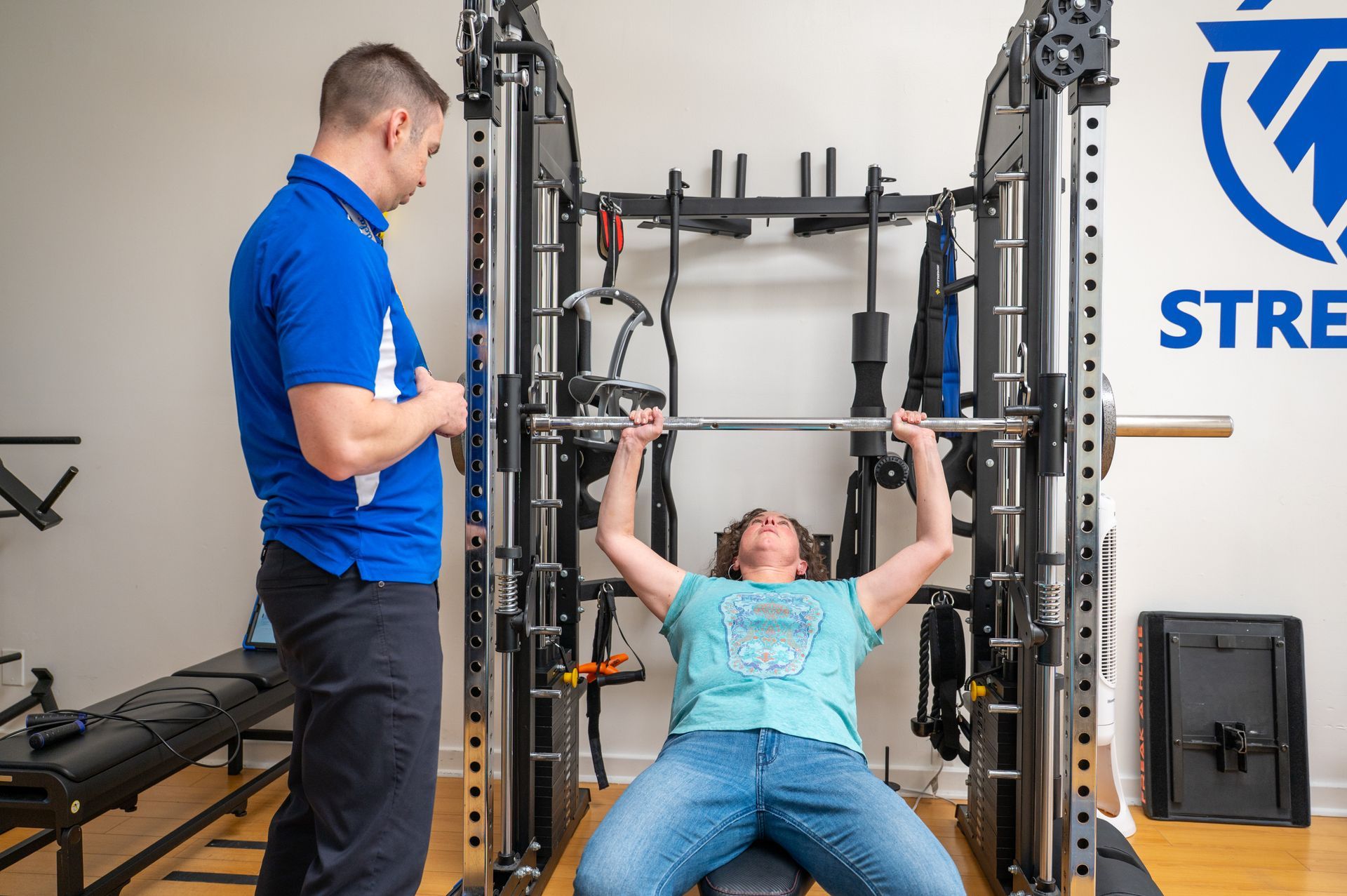
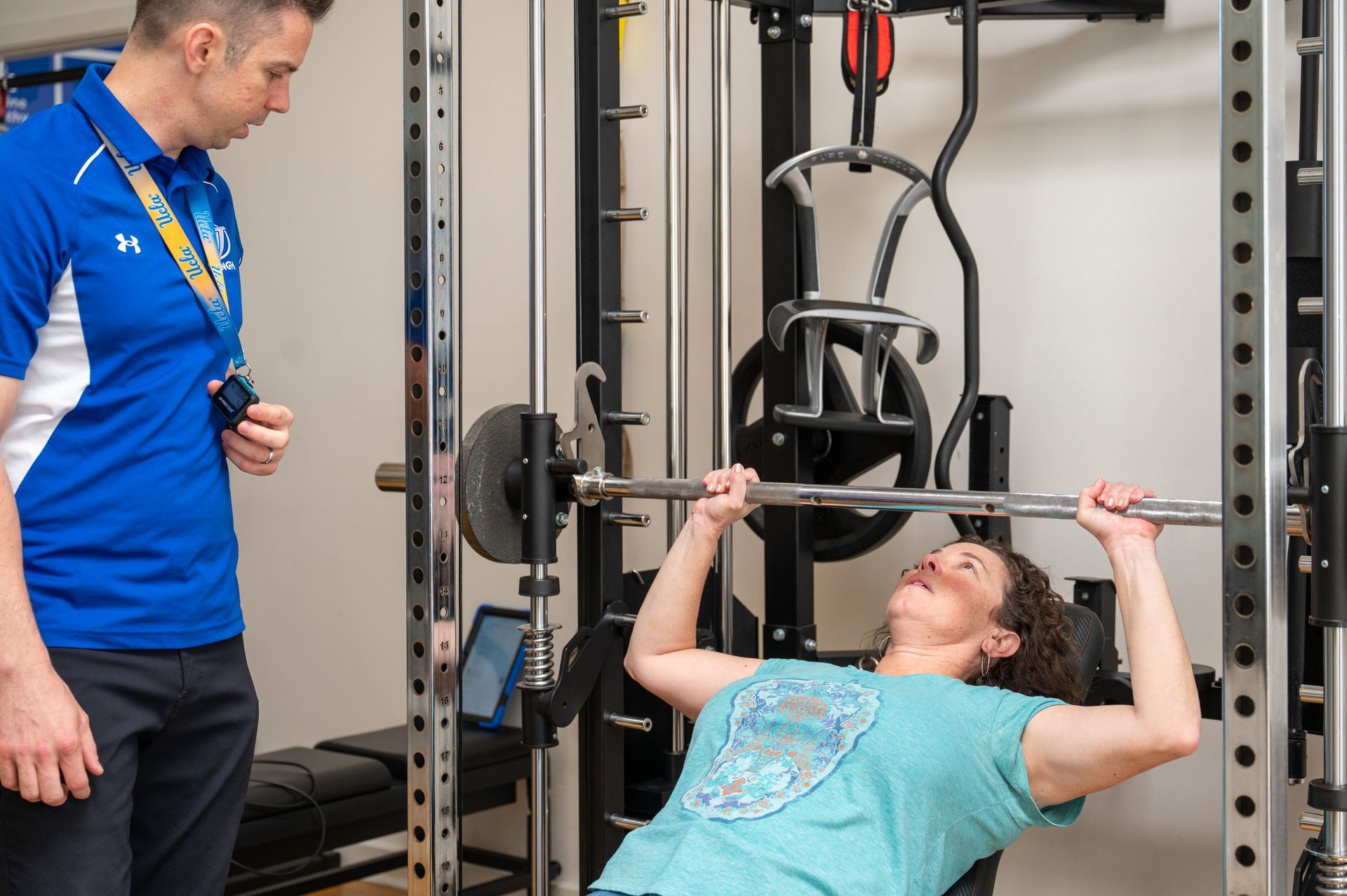
A properly designed strength session — performed two or three times per week — where major muscle groups are trained with high effort, controlled execution, and progressive overload, sends a clear signal: adapt or fall behind.
That signal does not require daily training.
It does not require marathon workouts.
It does not require exhaustion for exhaustion's sake.
It requires intensity.
What We See at TNT Strength in Oakland
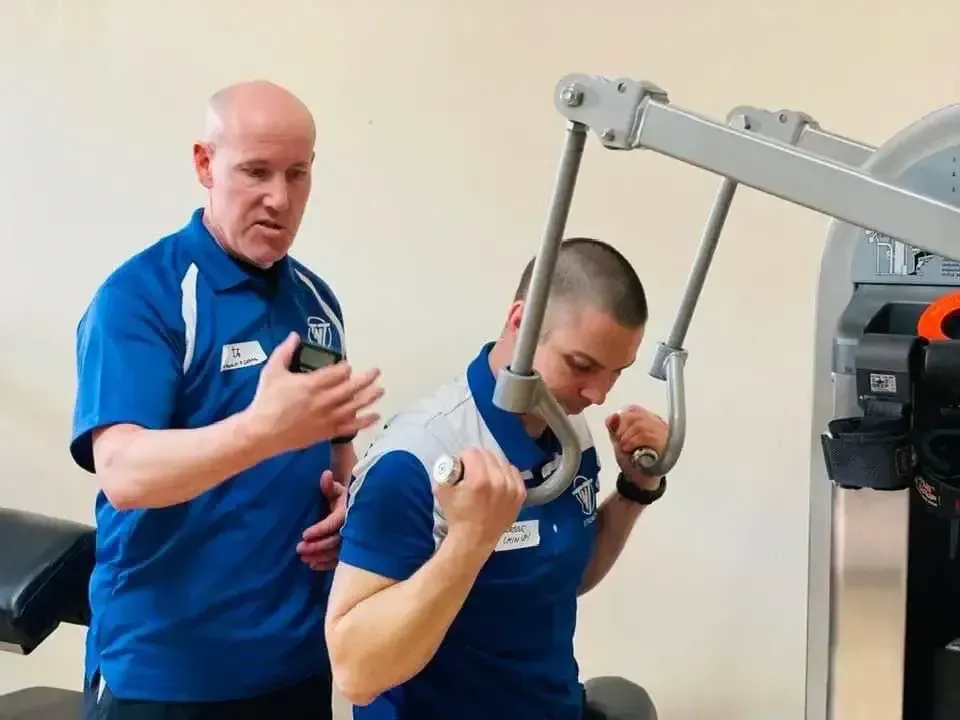
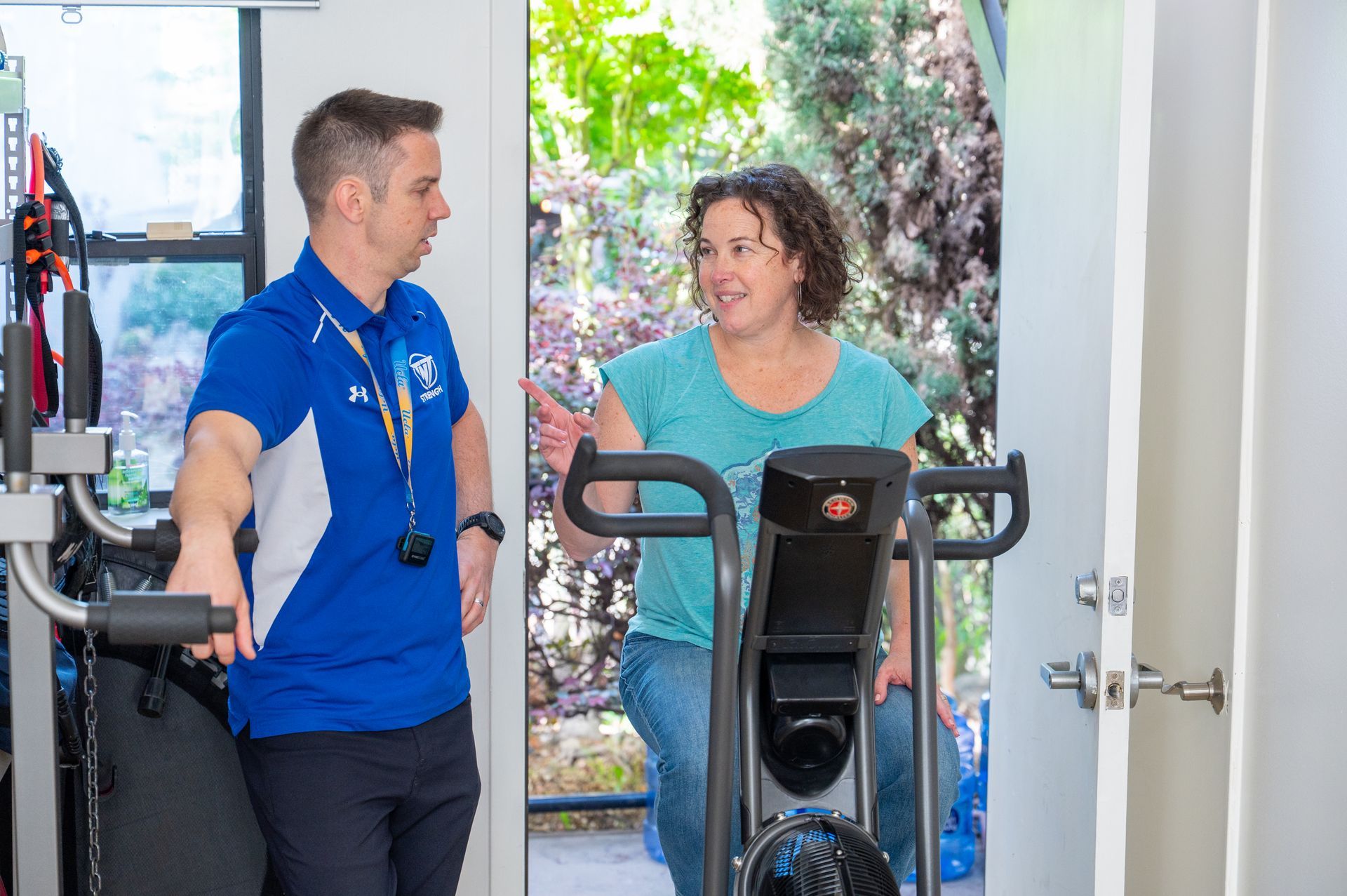
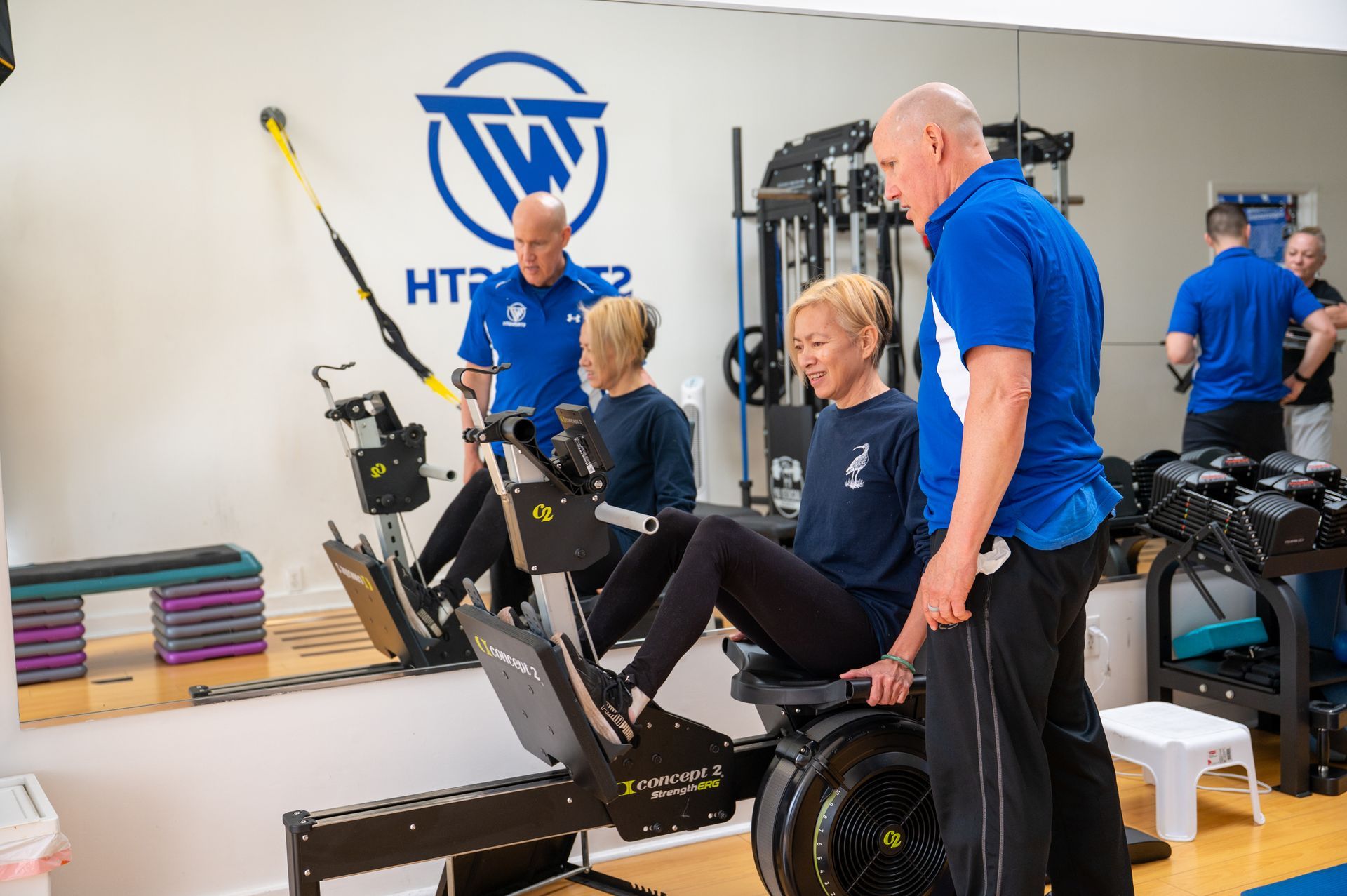
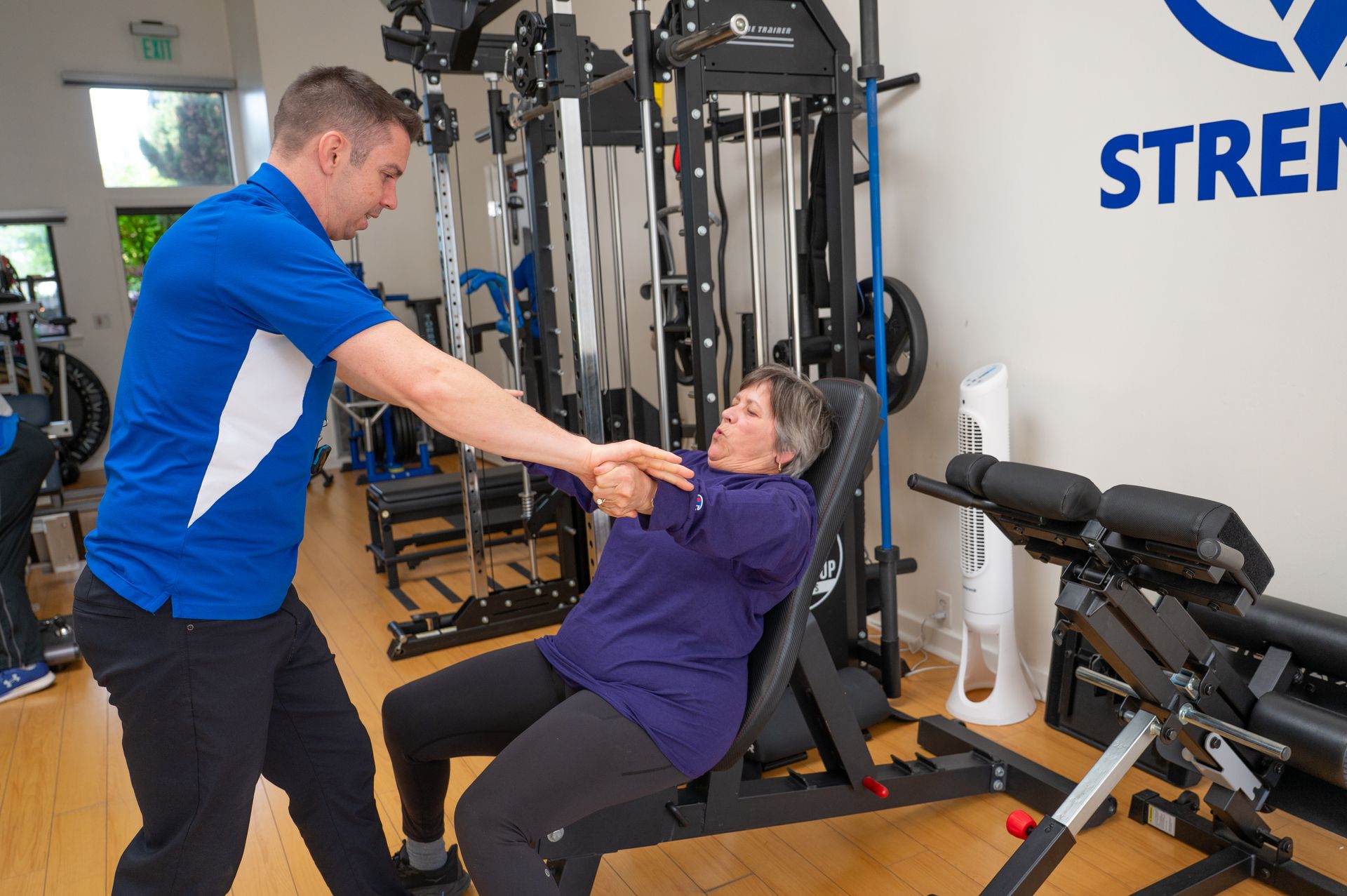
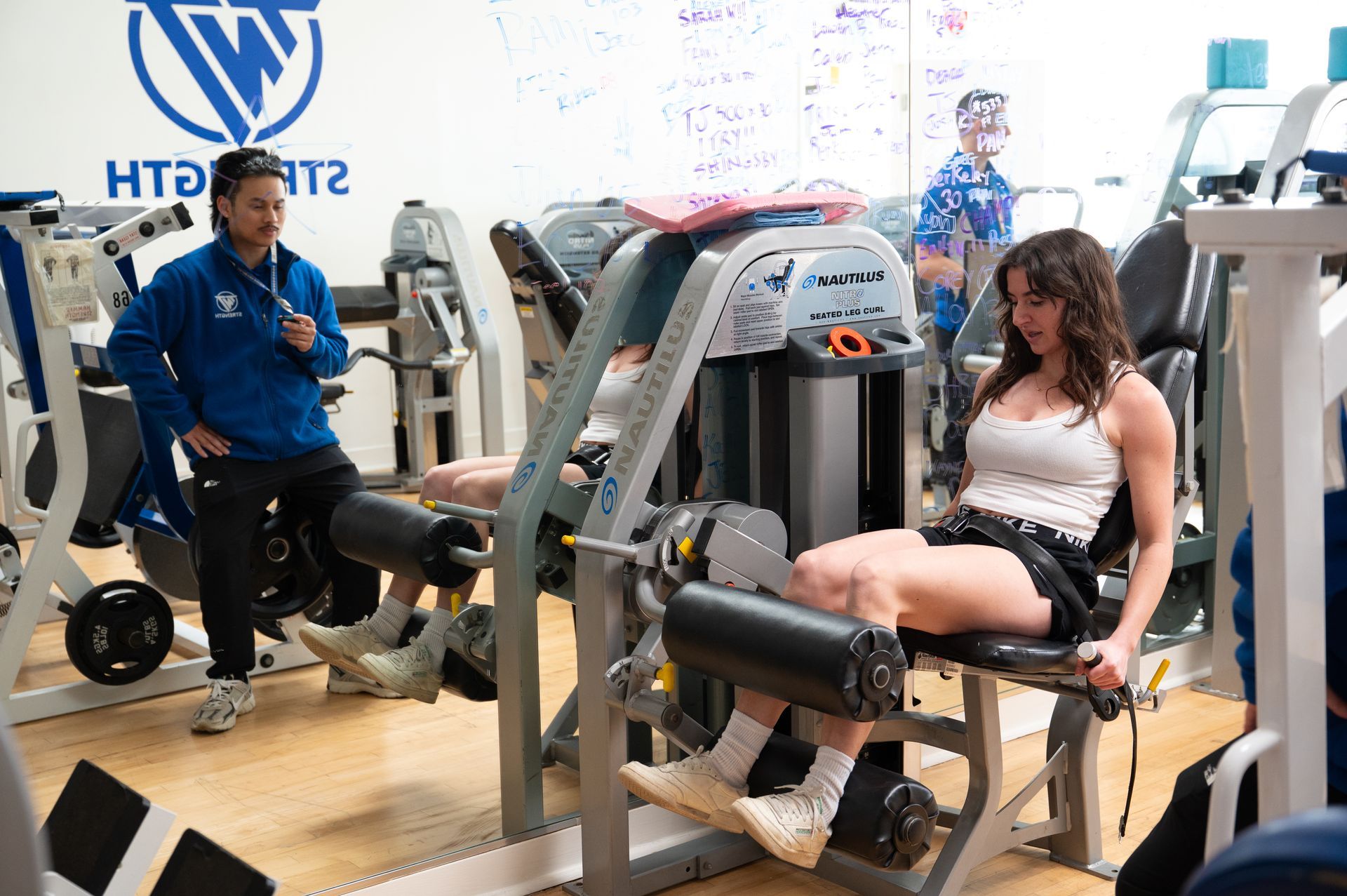
At TNT Strength here in Oakland, we routinely see busy professionals and active adults transform their bodies with brief, high-effort sessions performed infrequently — because the stimulus is sufficient. The recovery is respected. The progression is measured.
Compare that to the common model:
- Five or six days per week
- Long sessions
- Moderate effort
- Little measurable progression
It keeps people busy. It does not always keep them improving.
Fat Loss, Longevity, and the Role of Muscle
If fat loss is the goal, muscle must be protected. Muscle is your metabolic engine. Lose it, and weight regain becomes more likely. High-effort resistance training preserves and builds it far more effectively than moderate cardio alone.
If longevity is the goal, strength is non-negotiable. Bone density, balance, power output, and metabolic health respond best to sufficient intensity — not just accumulated minutes.
The Exercise Hierarchy
So here's the hierarchy:
- Brief, high-effort strength training — the driver of real change.
- Low-intensity activity — valuable for recovery and cardiovascular support.
- Daily movement (NEAT) — foundational for overall health.
They are not equal.
The Bottom Line
Move often. Yes.
But when you train, train with purpose.
Exercise is not about checking a box or chasing calories burned on a watch. It is about applying enough intelligent stress to force adaptation — then recovering so you come back stronger.
In Oakland, North Berkeley, or anywhere else, the formula is simple:
Stay active daily.
Strength train briefly but intensely.
Progress consistently.
Don't just move more.
Move with intention. Train with enough effort to matter.
FAQ
Q: Isn't exercise just about burning calories?
A: Not really. While calories matter, stimulus quality
— especially intensity and progressive overload — drives adaptations like muscle retention, improved metabolism, and functional capacity that calorie burn alone doesn't achieve.
Q: How much exercise do I need?
A: Evidence suggests that even brief high-effort sessions
can produce meaningful results when combined with NEAT and recovery. There's no one magic number, but intensity and progression are what push results beyond general activity.
Q: Isn't walking enough?
A: Walking benefits health and supports NEAT, but on its own it typically lacks the stimulus needed for significant muscle preservation or metabolic change unless paired with higher-effort exercise.
Q: Is strength training safe for beginners and older adults?
A: Absolutely. When structured and scaled appropriately, resistance training is safe and highly beneficial across ages.
Q: Can I skip NEAT and just exercise?
A: While formal exercise drives adaptation, NEAT supports recovery, daily calorie burn, and long-term health — it's part of the layered approach, not a substitute for exercise.
References (Selected)
- Monsalves-Álvarez M et al., High-intensity interval training prevents muscle mass loss during hypocaloric diet (Frontiers in Nutrition, 2023).
- Umbrella review supporting interval training for adiposity and body composition improvements.
- Resistance vs aerobic training benefits for body composition and metabolism.
- ACSM/ESSA consensus on physical activity and exercise intensity.
- NEAT's role in daily energy expenditure and health outcomes.
Move with purpose. Train with enough effort to matter. Live stronger — the TNT way.
Experience the TNT Strength difference with a free workout.
START YOUR FITNESS TRANSFORMATION WITH A
FREE WORKOUT
Complete the form and we'll set up an appointment for you.
Recent Articles