The Power of Protein: Why Prioritizing Protein Builds a Better Body
Estimated Read Time: 6 minutes
TL;DR: Protein isn't just for bodybuilders — it's the foundation for a strong, lean, and healthy body. From muscle repair and metabolism to hormone balance and immune strength, eating enough protein supports nearly every system in your body. And when you combine protein with healthy fats, you amplify those benefits even more. Whether you're training at TNT Strength in Oakland or just walking the hills of Piedmont, a high-protein diet is one of the best choices you can make for lifelong vitality.
Why Protein Matters More Than You Think
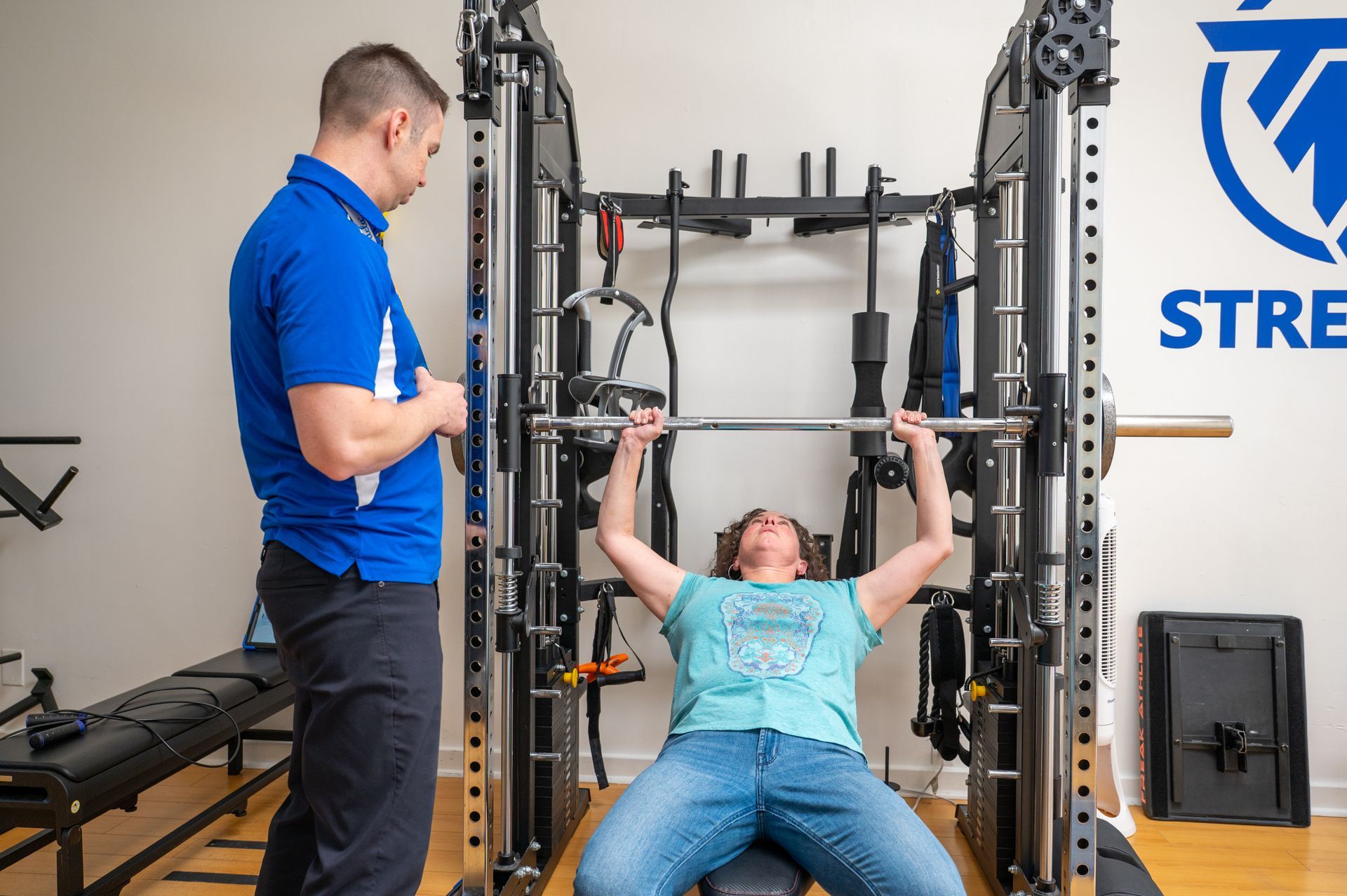
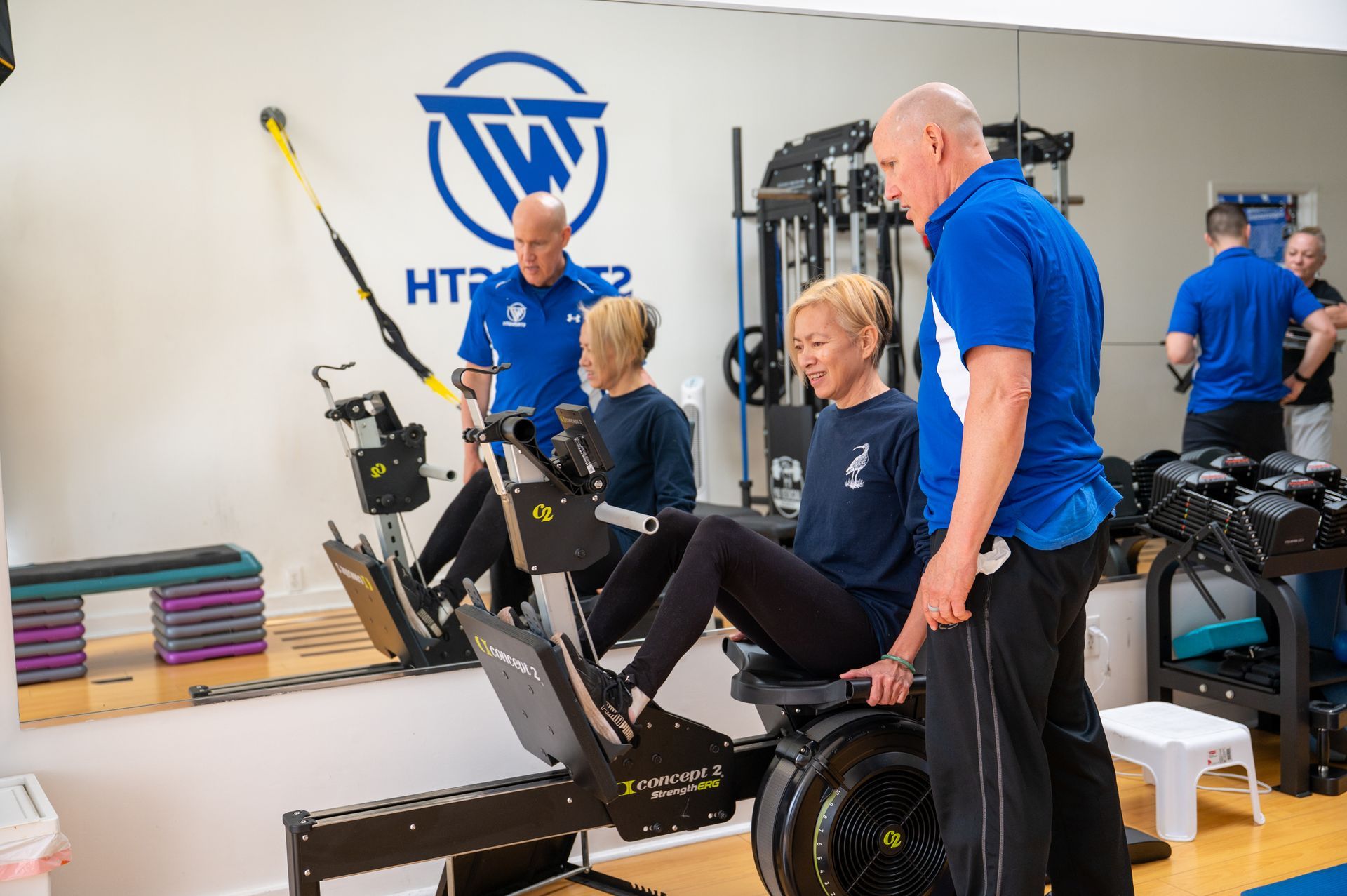
At TNT Strength, we often remind our clients that muscle is the engine of longevity. Without adequate protein, that engine starts to sputter. Protein provides the amino acids your body needs to build, repair, and maintain muscle tissue — something that becomes increasingly critical as we age. Every rep you perform in the studio creates a demand for recovery and rebuilding, and that process simply can't happen without enough high-quality protein.
1. Muscle Maintenance and Growth
Protein is the raw material your muscles rely on for repair and adaptation. After a strength session here in Oakland, your body kicks into recovery mode, synthesizing new muscle proteins to rebuild stronger tissue. Adequate protein intake ensures that your efforts in the gym translate into real progress — more strength, tone, and resilience.
2. Weight Management and Satiety
Protein helps you feel full longer, reduces cravings, and stabilizes energy levels throughout the day. That's one reason clients at TNT Strength who prioritize protein often find it easier to manage body fat while maintaining lean muscle mass. It's not about eating less — it's about eating smarter.
3. Boosts Metabolism
Protein has a high thermic effect , meaning your body burns more calories digesting and processing it compared to carbs or fats. Simply put, eating protein helps stoke your metabolic furnace — a big win for anyone looking to improve body composition.
4. Blood Sugar and Energy Regulation
Pairing protein with carbohydrates slows the release of sugar into your bloodstream, preventing energy crashes and helping regulate insulin. This is particularly beneficial for those navigating the energy swings that come with busy Bay Area workdays or active weekends around Lake Merritt.
5. Bone Strength and Stability
Protein isn't just for muscles — it's essential for bone density and health. A higher-protein diet helps preserve bone mass and reduce the risk of falls and fractures, especially in older adults. It's one of the simplest ways to stay strong and mobile as the years go by.
6. Immune System Support
Your immune system depends on proteins to create antibodies and repair tissues. When protein intake is too low, the body's defense systems weaken — something we've seen countless times in people who chronically undereat or skip meals.
7. Hormone and Mood Balance
Many key hormones — including those that regulate metabolism, recovery, and mood — are built from amino acids. Eating enough protein helps maintain hormonal balance, which in turn supports better energy, sleep, and emotional health.
8. Wound Healing and Recovery
After injuries or surgeries, protein speeds up tissue repair. This is especially important for active adults or anyone engaging in regular resistance training. More protein equals faster recovery and less downtime.
9. Hair, Skin, and Nail Health
Healthy hair, radiant skin, and strong nails all depend on protein. Your body uses amino acids to build collagen and keratin — the structural proteins that keep you looking and feeling your best.
10. Heart Health
Some research shows that higher-protein diets can improve blood pressure, cholesterol, and overall cardiovascular function. When you combine protein with healthy fats (from sources like salmon, eggs, and avocado), you support both muscle and metabolic health.
Why Protein + Fat = Power
In nature, protein rarely appears alone. Meats, eggs, and dairy naturally pair protein with fat — and for good reason. Studies show that eating protein with healthy fats enhances muscle protein synthesis more than protein alone. That's why a balanced approach — think grass-fed beef, wild-caught salmon, or free-range eggs — is far more effective than isolating macronutrients.
So whether you're training hard at TNT Strength or simply striving to age gracefully, make protein your nutritional priority. It's not just food — it's fuel for strength, recovery, and long-term health.
FAQ
Q: How much protein should I eat each day?
Most adults benefit from about 0.75–1.0 grams of protein per pound of goal body weight. For example, if you want to weigh 160 pounds, aim for 120–160 grams daily.
Q: What are the best protein sources?
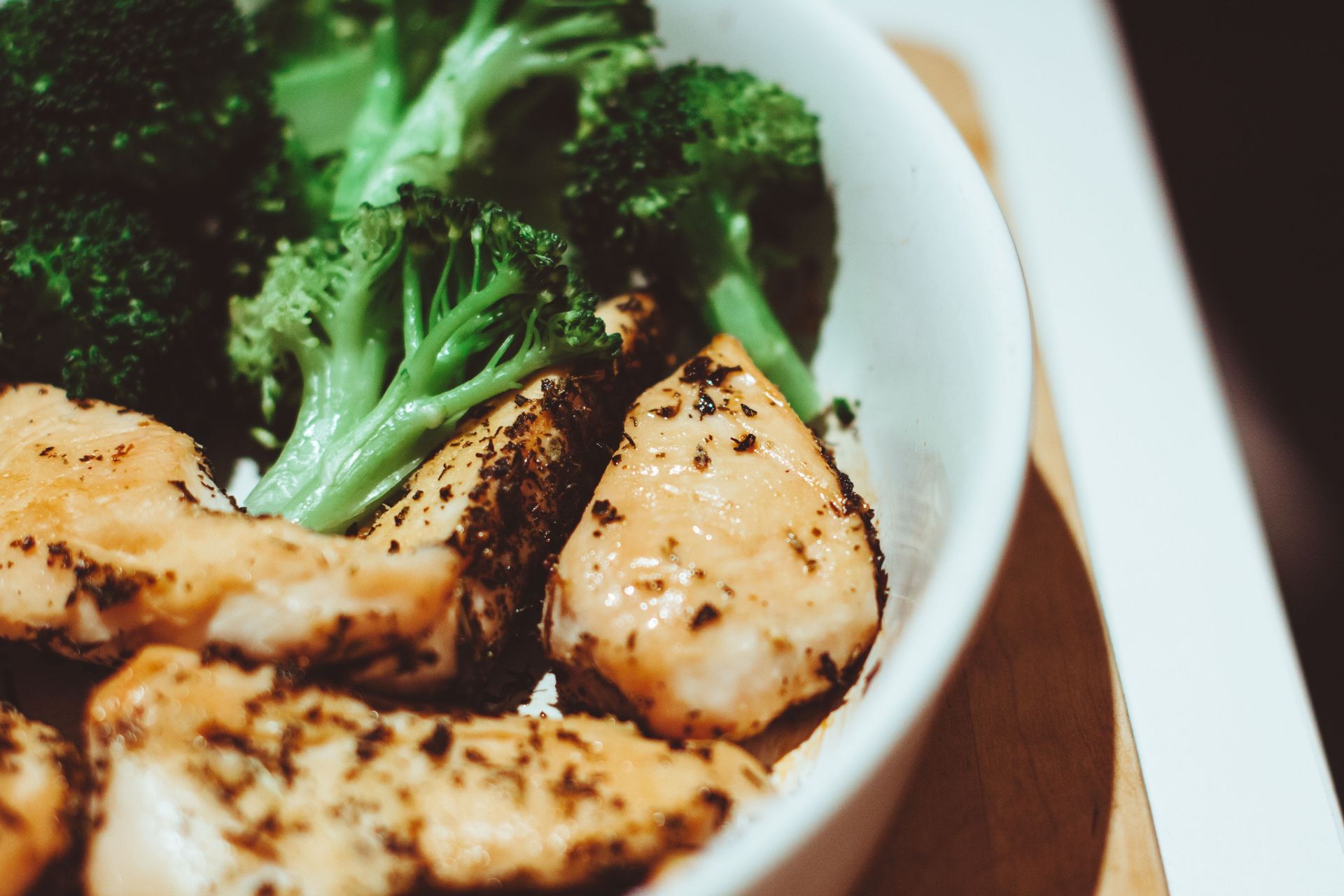
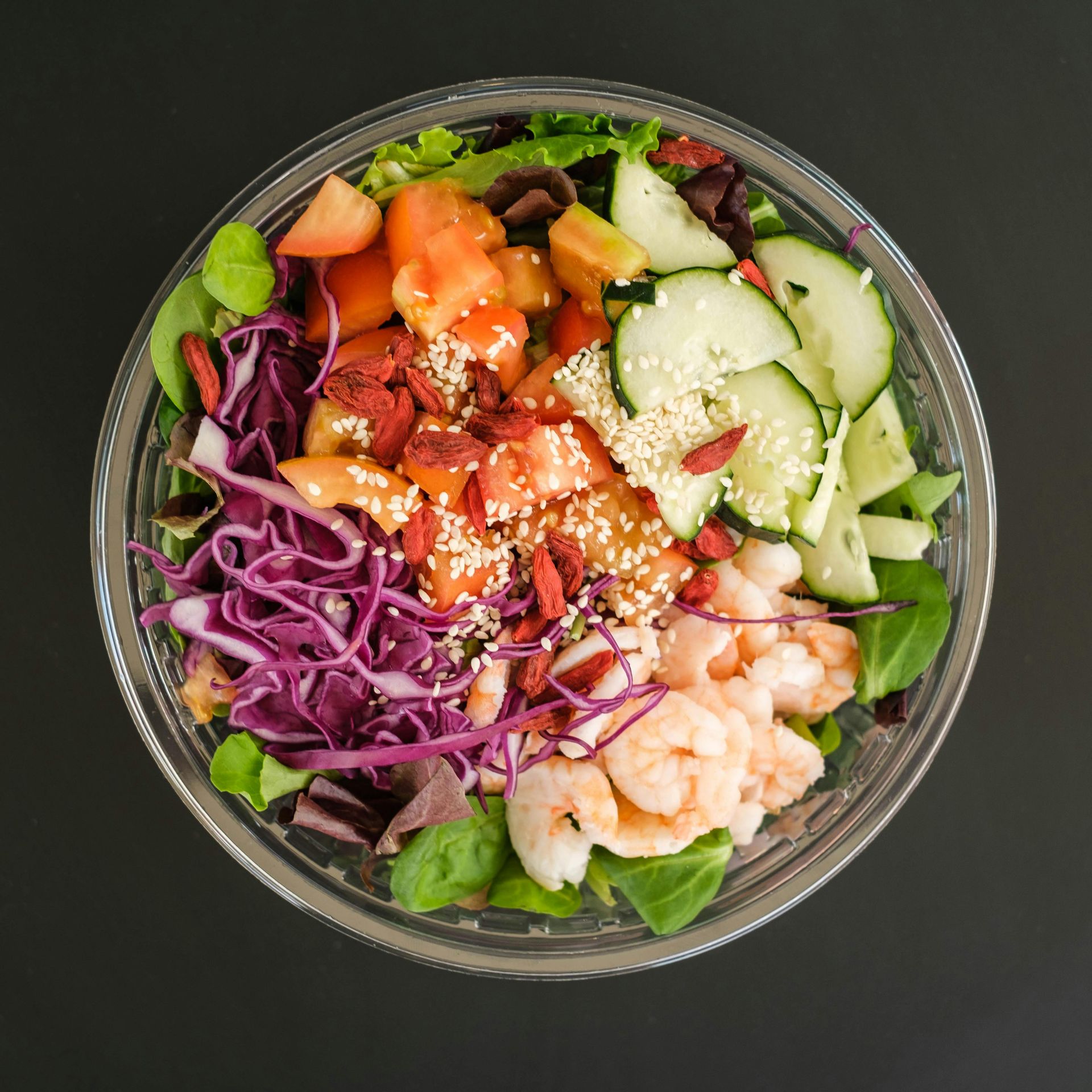
Focus on whole foods: eggs, fish, lean meats, poultry, Greek yogurt, cottage cheese, and plant-based options like lentils and tofu. Protein powders can help fill in gaps when needed.
Q: Is it possible to eat too much protein?
For healthy individuals with normal kidney function, higher protein intake is safe and beneficial. Just ensure you're also staying hydrated and consuming enough fiber and micronutrients.
Q: When's the best time to eat protein?
Spread your intake evenly throughout the day. Aim for 25–40 grams at each meal to maximize muscle protein synthesis and recovery.
Q: Do I need protein shakes?
They're convenient but not mandatory. Real food always comes first — shakes are just a practical way to hit your goals when you're on the go.
References
This article is for informational and educational purposes only. It is not, nor is it intended to be, a substitute for professional medical advice, diagnosis, or treatment. For personalized guidance, consult your healthcare provider or visit us at TNT Strength in Oakland to learn how to fuel your body for maximum strength and performance.
Experience the TNT Strength difference with a free workout.
START YOUR FITNESS TRANSFORMATION WITH A
FREE WORKOUT
Complete the form and we'll set up an appointment for you.
Recent Articles