11 Wellness Myths That Refuse to Die (And What the Science Actually Says)
Estimated Reading Time: 8–9 minutes
TL;DR
In Oakland, Rockridge, North Berkeley, and Piedmont, wellness advice is everywhere — but much of it isn't backed by science. From "more exercise is always better" to "you're full of poop," these myths sound logical but hold you back. Below are 11 common wellness myths busted with evidence you can use.
Walk into any gym near Oakland's Temescal district, scroll a "wellness influencer" on your favorite social media platform, or hear a fad from another parent at the park — and you'll hear myths that are outdated at best and flat-out harmful at worst.
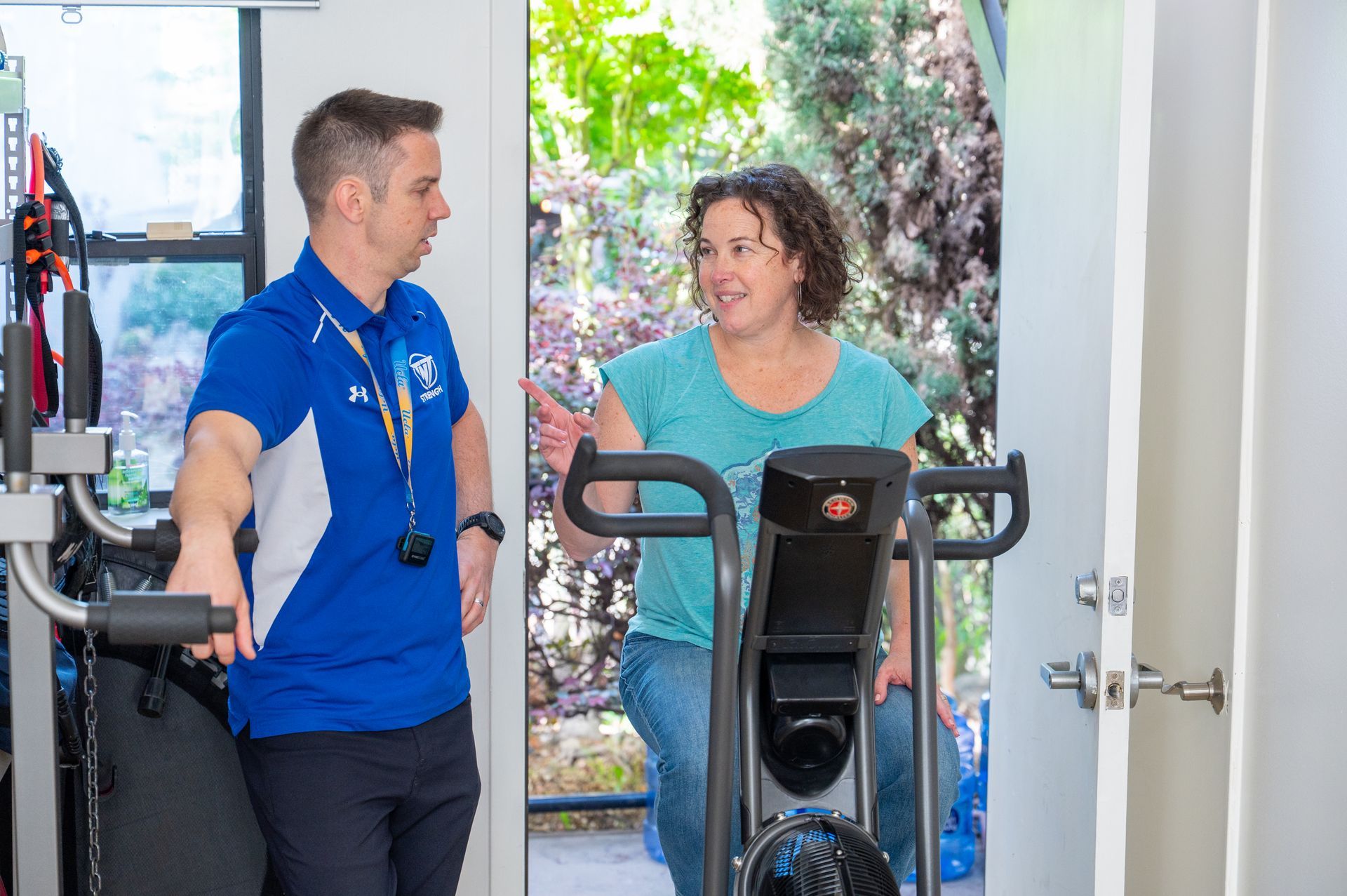
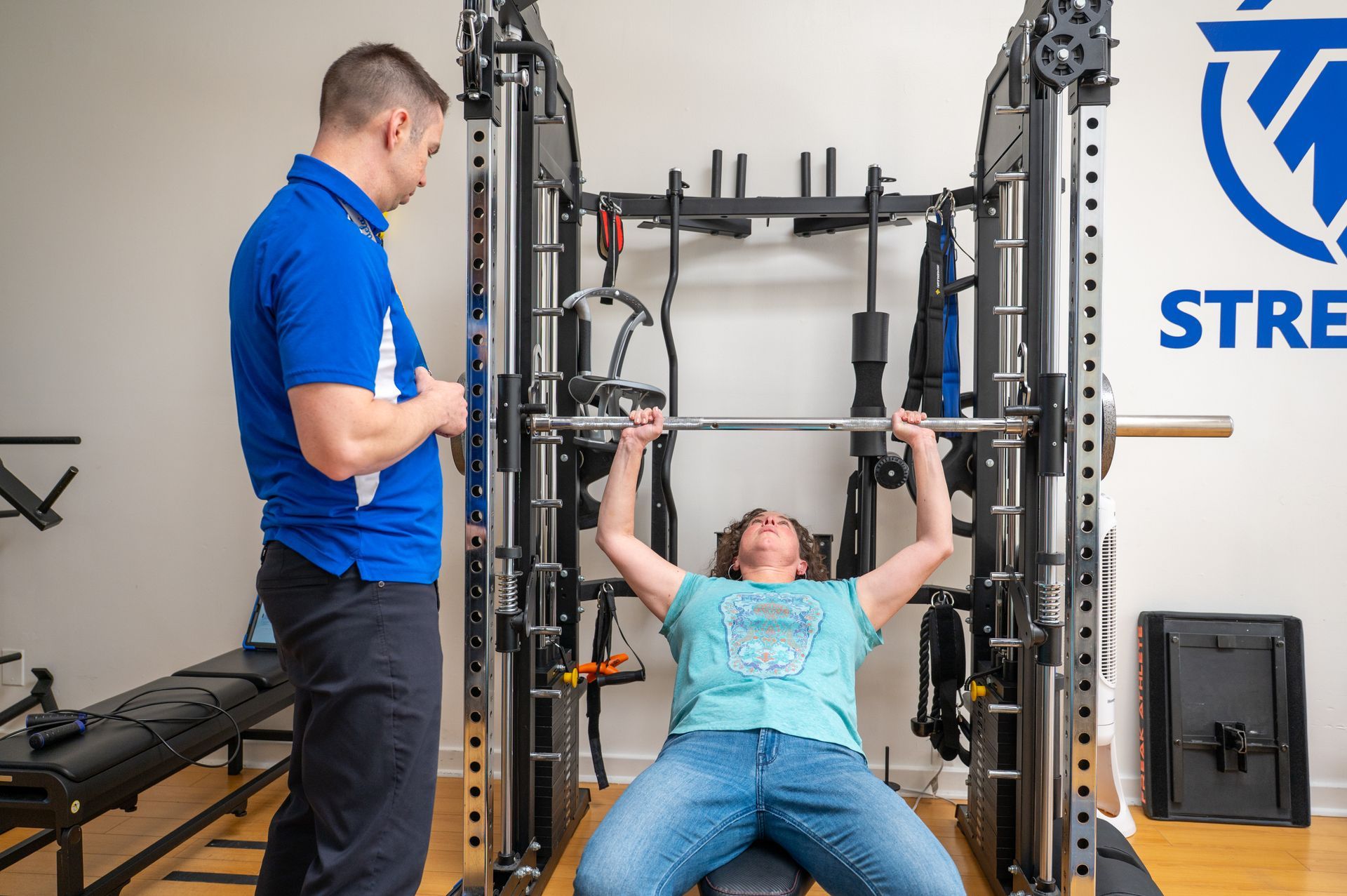
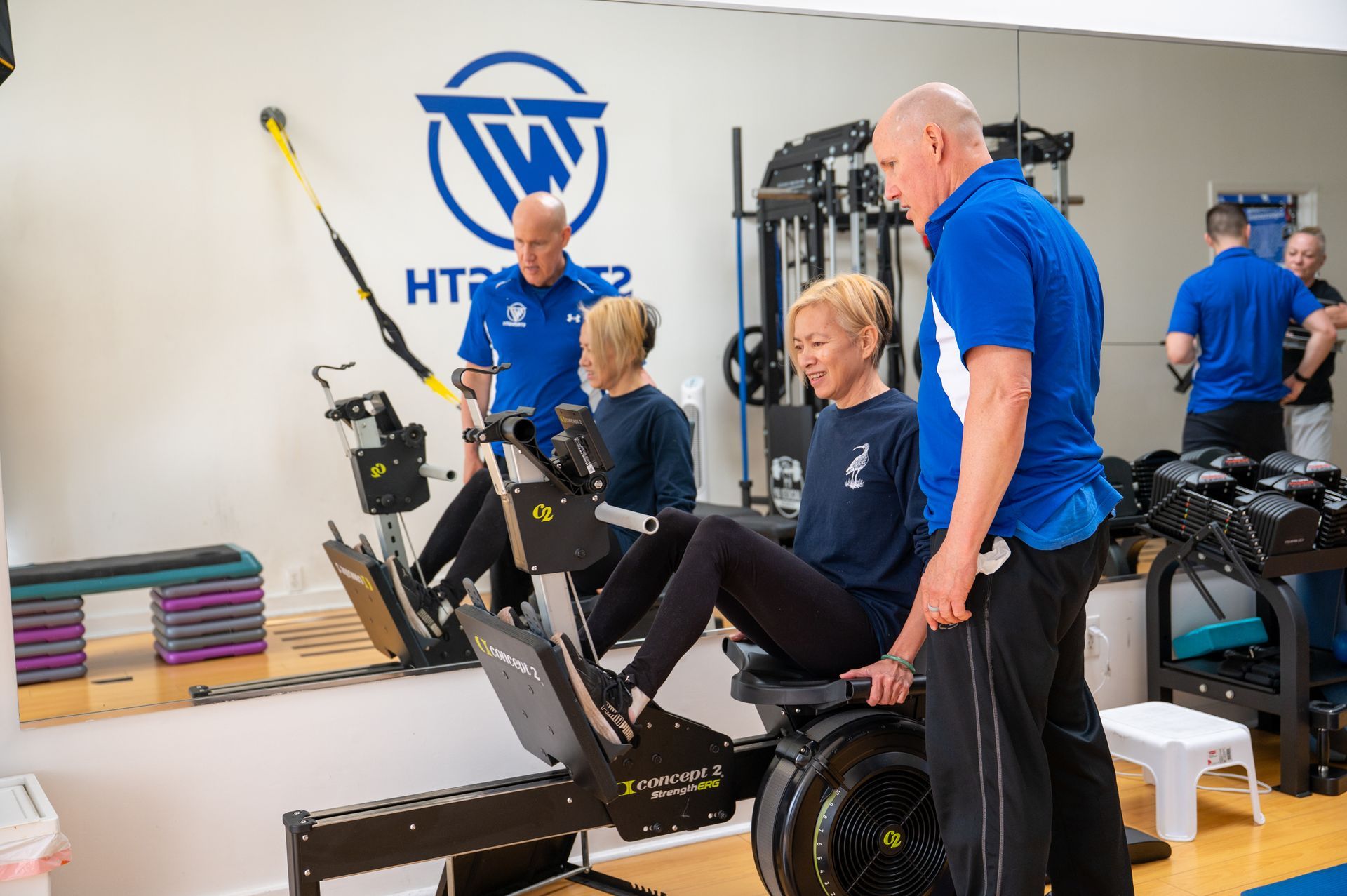
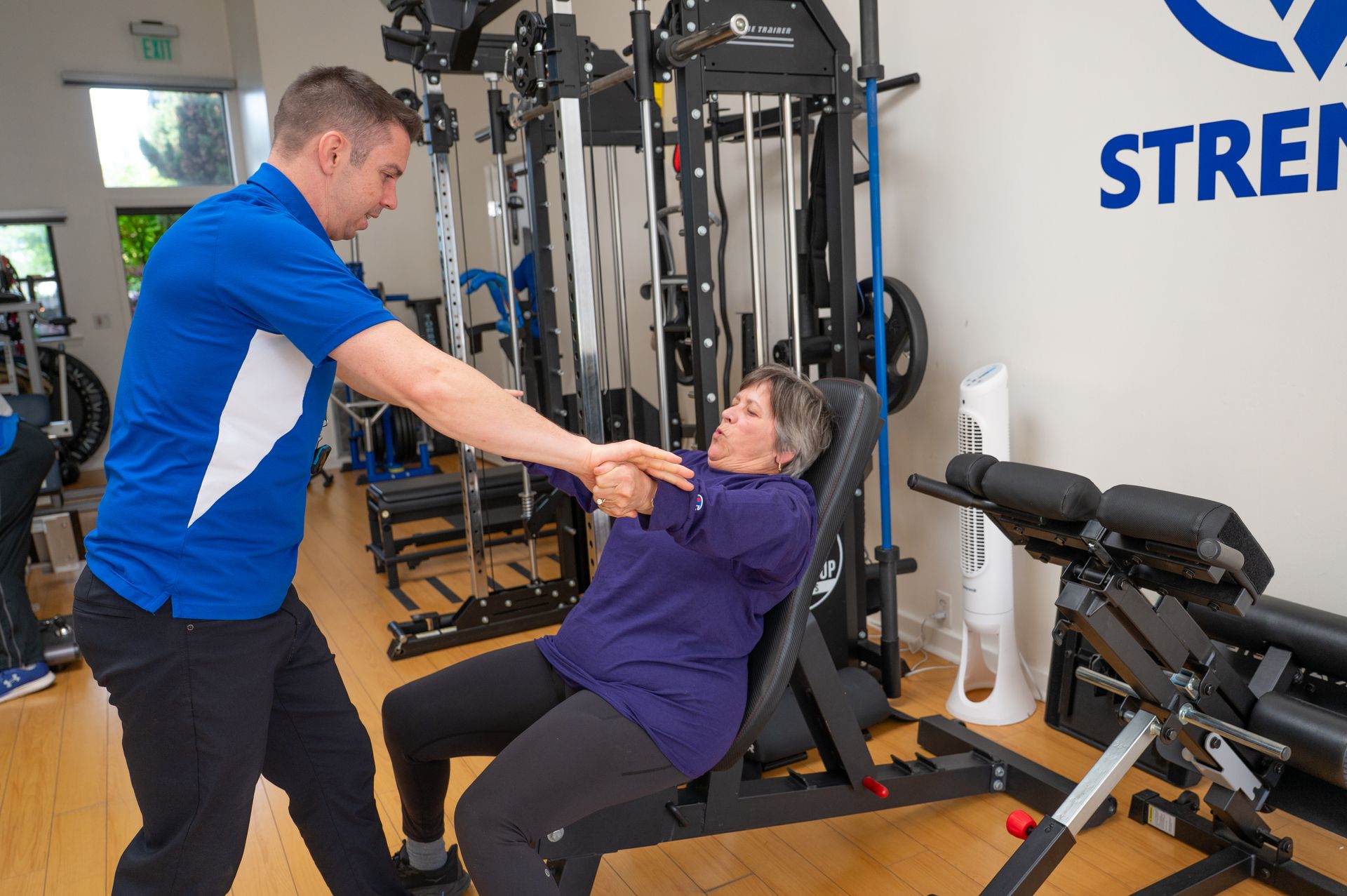
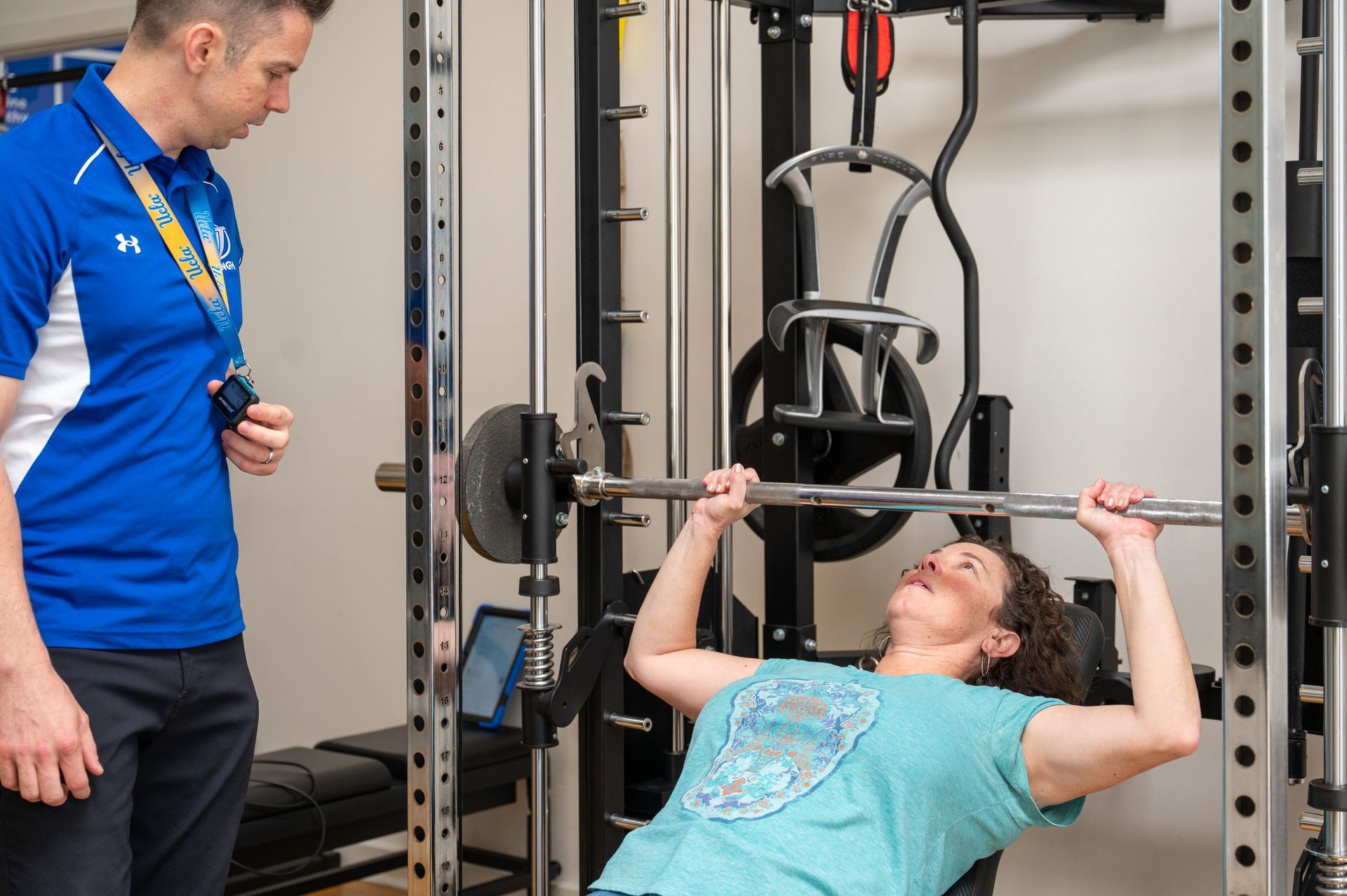
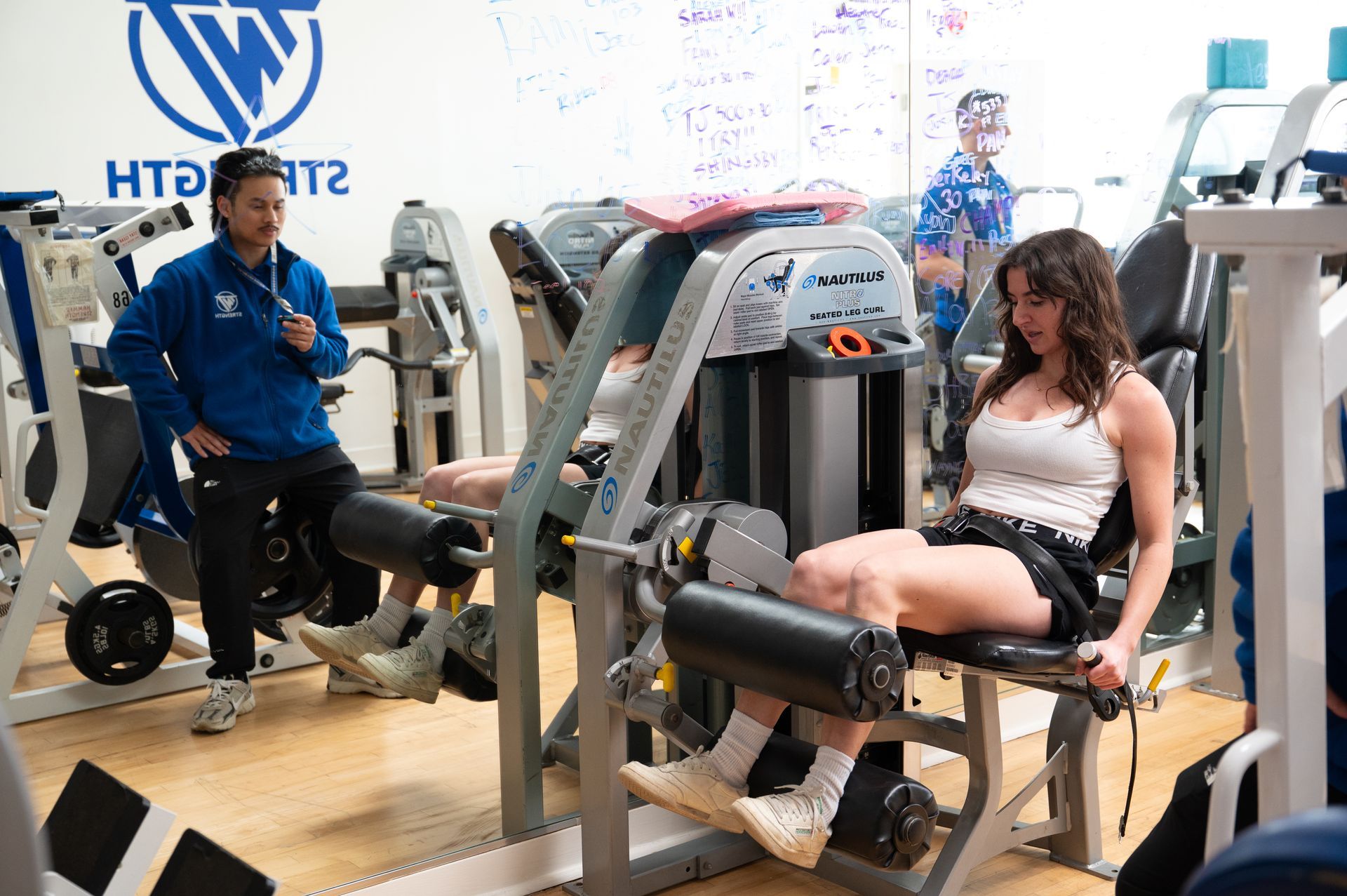
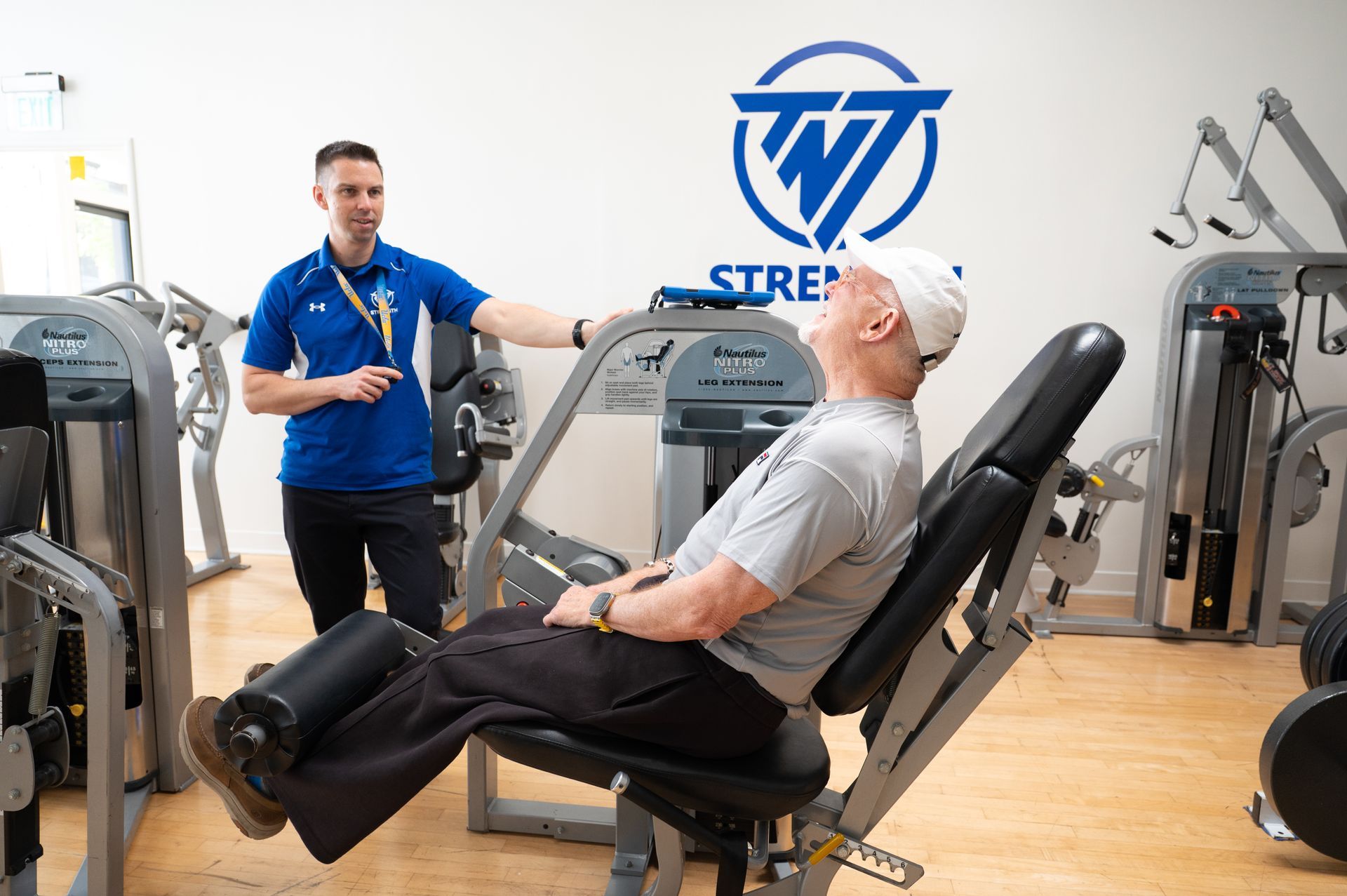
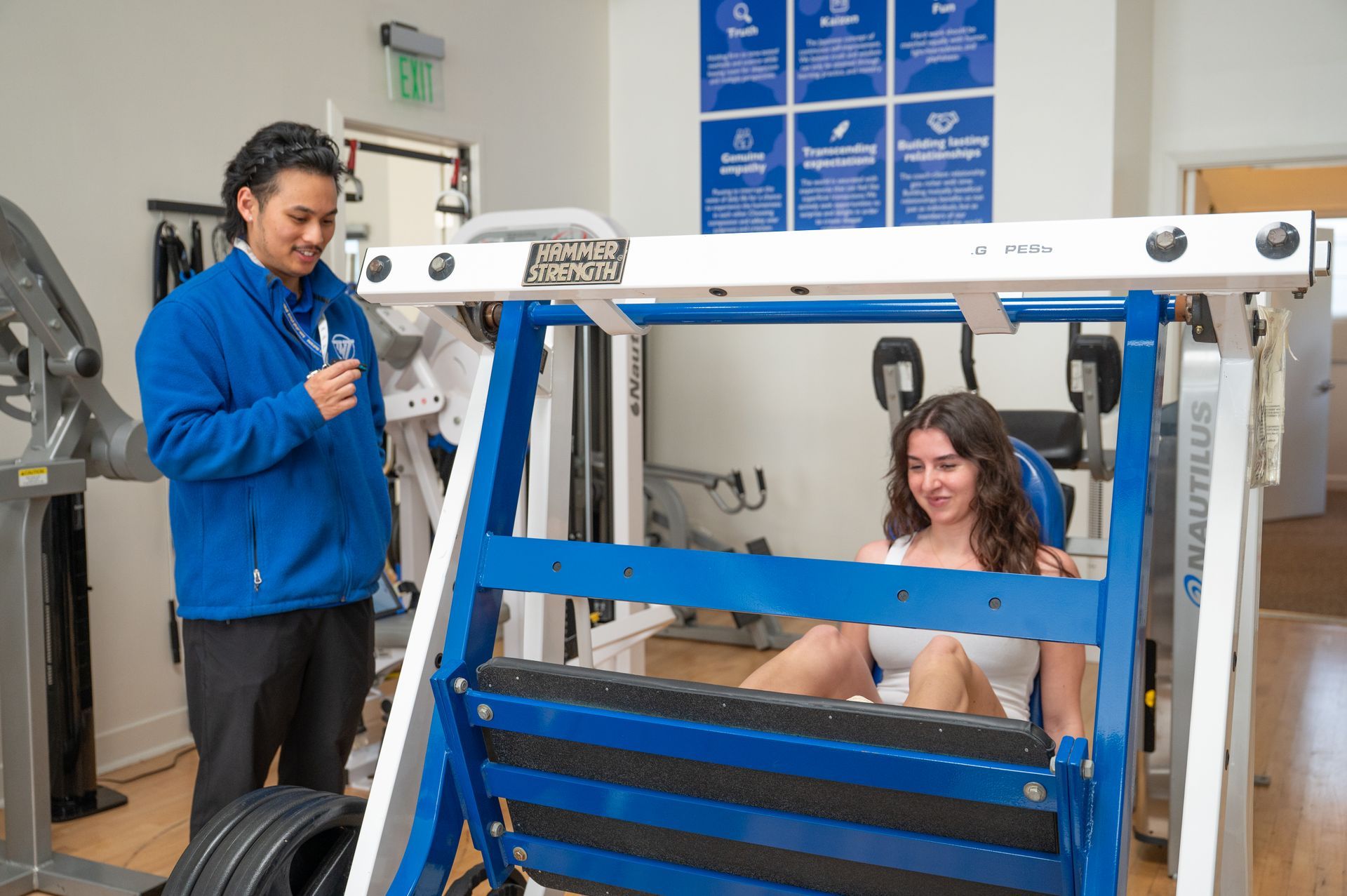
At TNT Strength, we coach people of all ages and abilities — from busy professionals in North Berkeley to active retirees in Piedmont — using evidence-based strength training and practical lifestyle advice. Let's clear the air.
Myth 1: More Exercise Is Always Better
More is not better. Better is better.
In an area as fitness-rich as Oakland, it's easy to think that more workouts equal more results. That couldn't be farther from the truth.
Training volume matters — but rest and recovery are where strength, resilience, and adaptation actually happen. Too much exercise without recovery leads to fatigue, plateauing, injury, and burnout.
At TNT Strength, we prioritize intense, focused sessions with built-in recovery so you get stronger and stay healthier long term.
Myth 2: Sweat Means You Had a Good Workout
Sweating doesn't equal effectiveness.
It's tempting to equate a drenched shirt in the Rockridge heat with a great workout. But sweat is simply your body cooling itself down. Temperature, humidity, and sweat gland activity vary widely by person.
A great workout is measured by improved strength, capacity, and progression over time — not by how much you perspire.
Myth 3: You Can Spot Reduce Fat
Crunch harder to burn belly fat? Nope.
Wanting localized fat loss is totally understandable — especially in swimsuit season in North Berkeley. But no amount of targeted exercise selectively burns fat in one area.
Fat loss happens systemically — when your body is in an overall calorie deficit paired with consistent strength training and adequate protein.
Myth 4: Stretching Prevents Injury and Improves Performance
Not in the way most people think.
Static stretching used to be the go-to before every workout — but evidence shows it does not reliably prevent injuries and may even reduce force production temporarily.
Dynamic warm-ups and strength-based mobility work are superior — which is how we prepare clients throughout Oakland before heavy lifts.
Myth 5: Detox Diets Cleanse Your Body
Your liver and kidneys already do that — and they do it well.
Detox cleanses and juice flushes promise to rid your body of toxins. But your body has been "detoxing" since birth via the liver, kidneys, and digestive system.
Most detox diets merely restrict calories and nutrients — a recipe for metabolic slowdown, not health.
Myth 6: You Must Drink 8 Glasses of Water a Day
Hydration needs are individual.
Fluid intake depends on your body size, activity level, climate, and food choices. About 20% of total hydration comes from food.
Rather than adhering to an arbitrary number, use thirst, urine color, and performance as practical guides — especially if you're training hard in Oakland's warm months.
Myth 7: Eating Fat Makes You Fat
Throw this myth in the trash.
Dietary fats are essential for hormone production, brain function, and satiety. Avoiding fat out of fear of weight gain ignores the bigger picture of total energy balance and food quality.
Clients who stop fearing fats and focus on whole-food nutrition usually see better body composition and energy.
Myth 8: All Carbohydrates Are Bad
Carbs aren't the enemy — processed carbs are.
While carbs aren't technically essential, whole-food carbohydrate sources support gut health, energy, and performance. The real issue is refined, ultra-processed carbs found in packaged foods — not whole fruits, or fibrous and starchy vegetables.
Myth 9: Organic Food Is Always Healthier
Organic doesn't automatically mean better.
While organic reduces certain pesticide exposures, nutrient density is influenced by soil quality, harvest conditions, and storage — not just labels.
Prioritize nutrient-dense whole foods (organic or not) and balance macro and micronutrients for overall health.
Myth 10: Supplements Can Replace Real Food
Supplements support a diet — they don't replace it.
Whole foods contain a complex matrix of nutrients and phytochemicals supplements simply can't replicate.
In Rockridge and across Oakland, real food quality comes first. Supplements are second — and tailored to individual needs.
Bonus Myth 11: "You're Full of Poop"
This one needs to be retired now.
The claim that you're walking around with pounds of old fecal matter stuck in your colon is pop science used to sell cleanses and gimmicks. That's not how the human digestive system works.
In a healthy person, digestion moves waste steadily through your intestines. Massive "build-ups" don't hang out for years — if that were happening, it would be a medical emergency, not a wellness opportunity.
This myth is marketing — not biology. If digestion feels slow or irregular, focus on adequate protein, fiber, hydration, movement, and consistency — not cleansing scams.
Frequently Asked Questions
Q: What's the worst myth people believe in Oakland gyms?
A: "More exercise is always better." It leads to overtraining, injury, and stalled progress.
Q: Are detoxes or colon cleanses ever necessary?
A: Not in healthy adults. Functional detoxification happens through your organs every day without gimmicks.
Q: Will stretching stop injuries?
A: Only if it's purposeful — dynamic warm-ups and strength-based mobility do more than static stretching.
Q: Do I need supplements to train at TNT Strength?
A: Only if they add value — never as a replacement for real food.
Q: How do I tell if wellness advice is legit?
A: Look for evidence, repeatability, sustainability, and physiological plausibility — not hype.
References
Halson, S. L. (2014). Sleep in elite athletes and nutritional interventions to enhance sleep. Sports Medicine , 44(Suppl 1), S13–S23.
Cotter, J. D., et al. (2014). Are we being drowned in hydration advice? Extreme Physiology & Medicine , 3(1), 18.
Vispute, S. S., et al. (2011). The effect of abdominal exercise on abdominal fat. Journal of Strength and Conditioning Research , 25(9), 2559–2564.
Behm, D. G., et al. (2016). Acute effects of muscle stretching on physical performance. Applied Physiology, Nutrition, and Metabolism , 41(1), 1–11.
Smith, M. J. (2017). Detox Diets: Cleansing the Body. Encyclopedia of Food and Health , 289–295.
Institute of Medicine. (2004). Dietary Reference Intakes for Water. National Academies Press.
Mozaffarian, D., et al. (2011). Diet and long-term weight gain. New England Journal of Medicine , 364(25), 2392–2404.
Slavin, J. L. (2013). Carbohydrates, dietary fiber, and resistant starch. Advances in Nutrition , 4(3), 351S–355S.
Dangour, A. D., et al. (2009). Nutritional quality of organic foods. American Journal of Clinical Nutrition , 90(3), 680–685.
Kantor, E. D., et al. (2016). Trends in dietary supplement use. JAMA , 316(14), 1464–1474.
McGill Office for Science and Society. (2018). You're full of crap — literally? McGill University.
This article is for informational and educational purposes only. It is not medical advice. Consult a qualified healthcare professional for individualized guidance.
Experience the TNT Strength difference with a free workout.
START YOUR FITNESS TRANSFORMATION WITH A
FREE WORKOUT
Complete the form and we'll set up an appointment for you.
Recent Articles