Arthur Jones to TNT Strength: The Legacy of Brief, Safe, and Efficient Training
Estimated Reading Time: 8–10 minutes
TL;DR
Arthur Jones—creator of Nautilus and MedX Strength Training Equipment—revolutionized strength training with simple, brutally effective principles: brief, intense, infrequent workouts performed with perfect form. His work sparked modern exercise science and laid the foundation for safe, efficient, no-nonsense training. TNT Strength carries that torch today, refining and modernizing Jones' philosophy while staying rooted in the same evidence-based, results-driven approach.
The Roots of a Revolution: Arthur Jones
Long before fitness became an industry filled with influencer gimmicks and endless "programs," one man cut through the noise with something radical: logic. In the 1970s, Arthur Jones looked at strength training and saw a field built on tradition rather than physiology. He set out to change that.
Jones wasn't a scientist by training, but he was relentless, analytical, obsessed with human performance, and—most importantly—unimpressed by the status quo. He believed exercise should be:
- Safe
- Efficient
- Intense enough to stimulate real adaptation
- Repeatable and trackable
- Rooted in biomechanics, not folklore
Out of this obsession came Nautilus and later MedX, two lines of equipment engineered not to entertain, but to eliminate weak links in human movement and make strength training more productive.
The Core Principles Jones Gave Us
1. Train Briefly
More is not better. Better is better.
Jones popularized the idea that the human body responds to quality, not quantity. A properly executed strength session should be short—often under 20 minutes—because anything longer likely isn't intense enough to stimulate real change.
2. Train Hard—but Safely
Intensity doesn't mean recklessness.
Jones emphasized controlled, continuous tension, strict form, and the elimination of momentum. His goal: stimulate the muscle without exposing the joints, spine, or connective tissues to unnecessary forces.
3. Train Infrequently
Adaptation happens between workouts, not during them.
Jones was one of the first to argue that more recovery often equals better gains—especially after high-effort training sessions.
4. Use Tools That Match Human Biomechanics
He engineered Nautilus and MedX to deliver resistance curves that matched real human strength curves. No random sticking points. No wasted effort. Each machine was designed to maximize muscular loading and minimize orthopedic stress.
These ideas were radical then. They're validated now.
How We Carry the Torch at TNT Strength
At TNT Strength, we don't imitate Arthur Jones—we stand on his shoulders. His influence is woven into everything we do, but we've taken his principles and paired them with decades of research and real-world coaching experience.
1. The TNT Protocol: Slow, Controlled, Effective
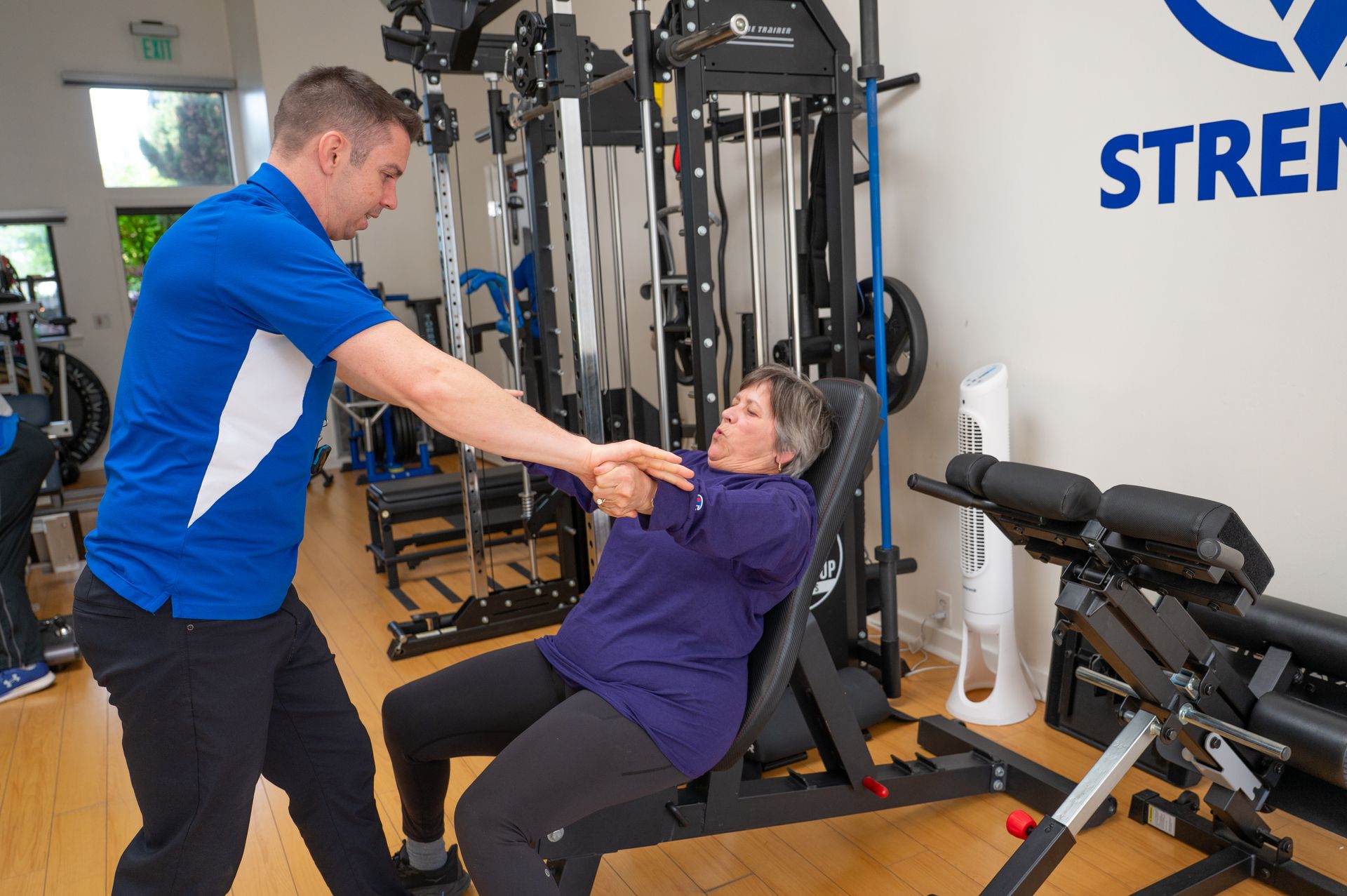
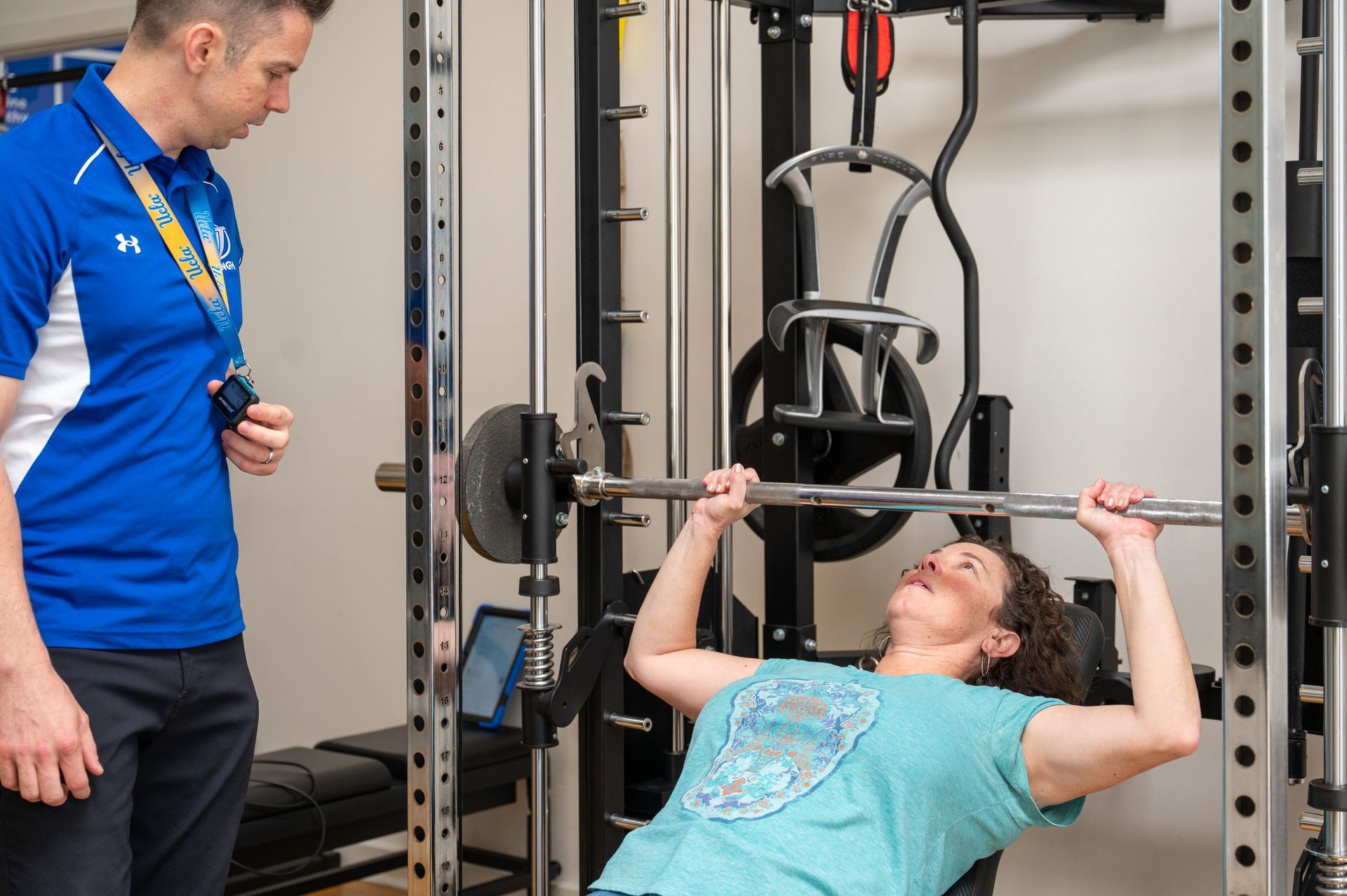
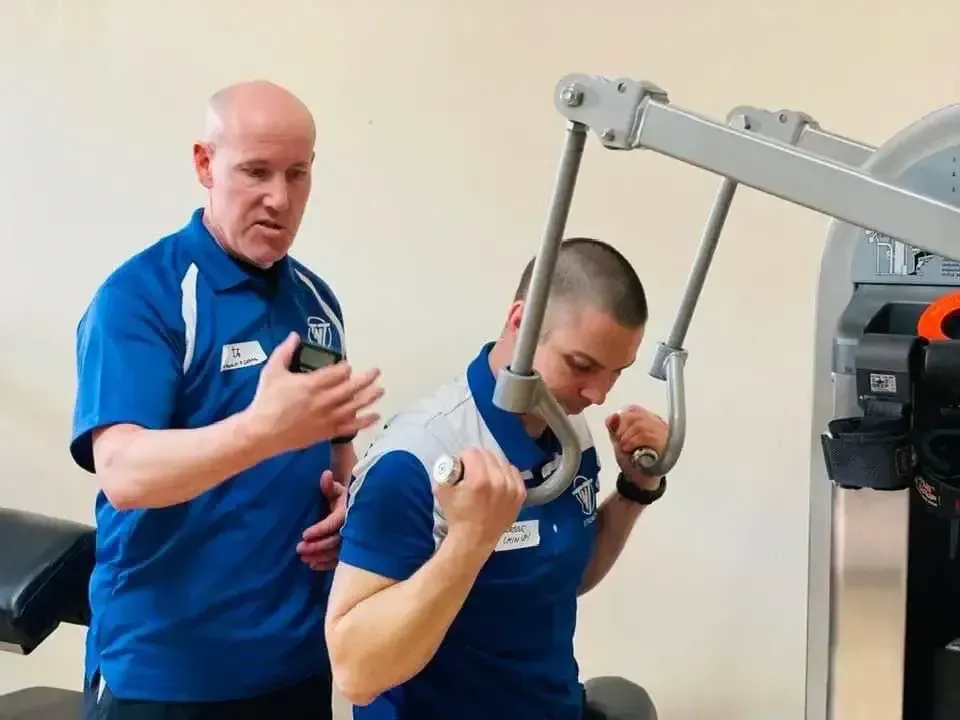
We use time-controlled repetitions, continuous tension, and strict form—rooted in the same fundamental biomechanics Jones insisted on.
2. Brief Sessions With Maximum Return
A TNT workout lasts about 20–30 minutes, and that's not a compromise. That is the stimulus.
Just like Jones taught: Low volume. High effort. Precise execution.
3. Equipment Built on Jones' Legacy
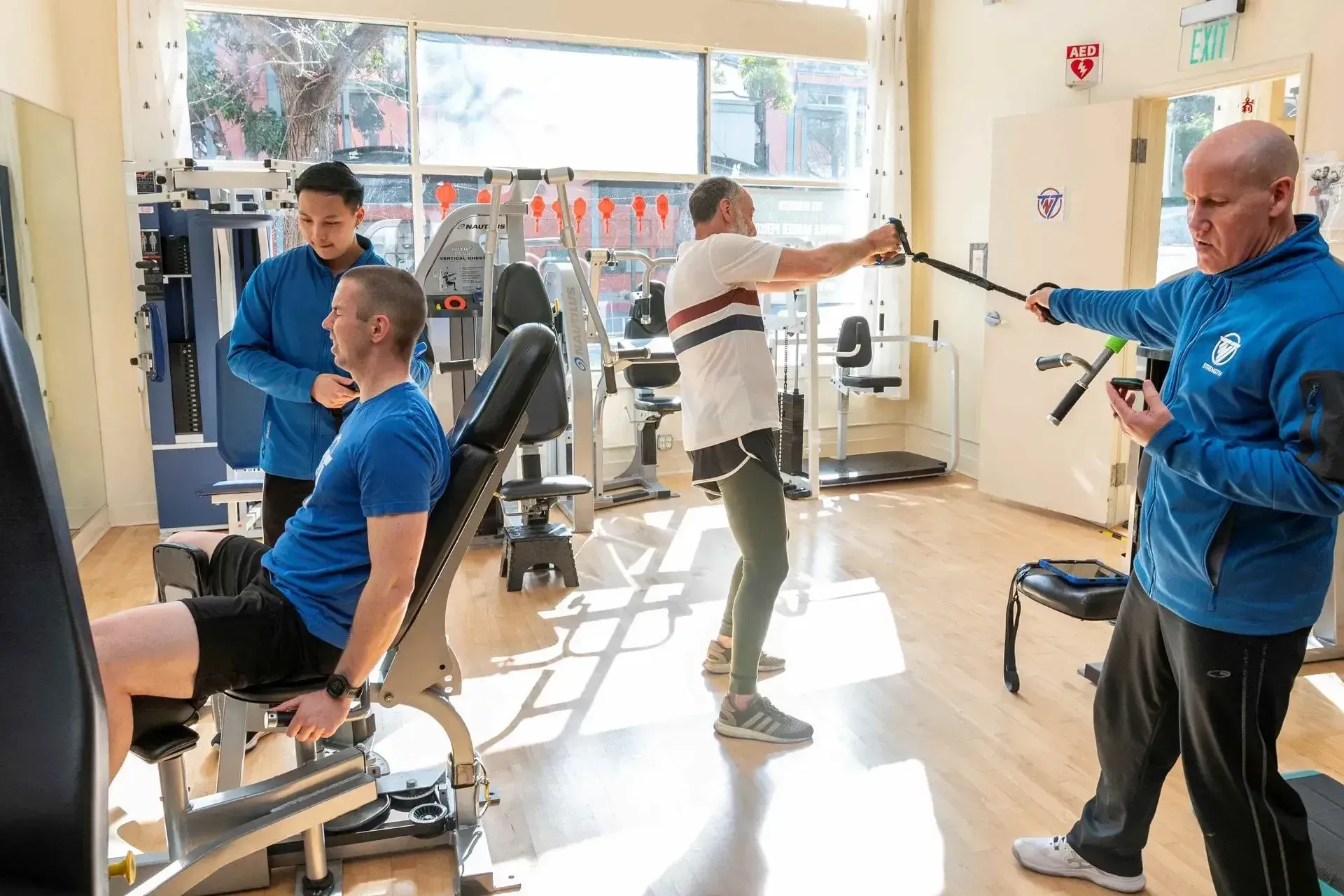
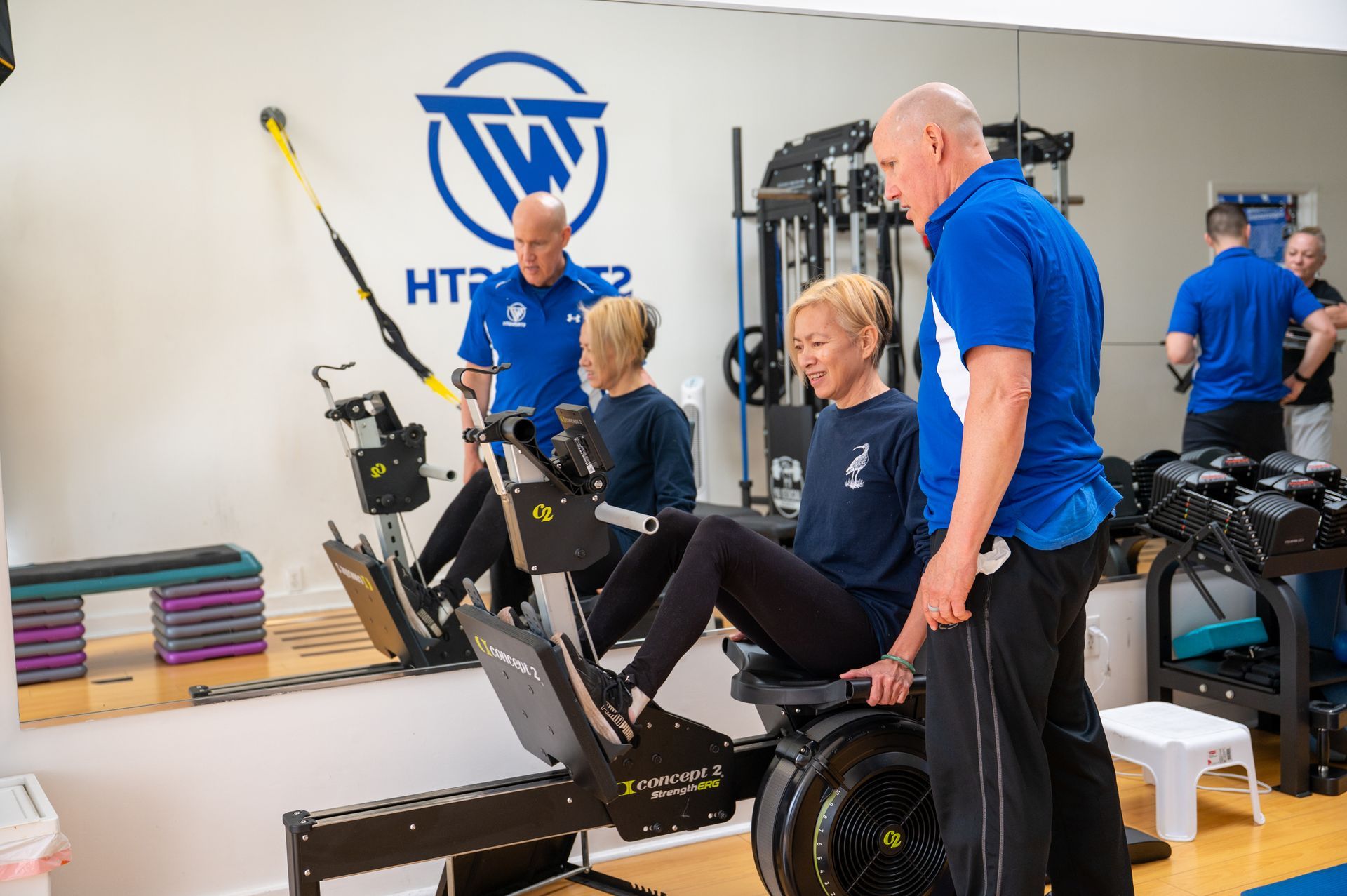
Modern machines may be sleeker, but the underlying physiology hasn't changed. We use tools—from Nautilus and MedX selectorized machines to modern resistance devices—that honor Jones' principle: Match the machine to the human, not the other way around.
4. Evidence-Based Progression
Jones prioritized measurement and documentation long before "data-driven training" was trendy.
TNT Strength continues that tradition with:
- Workout logs
- Progression tracking
- Intensity quantification
- Strength curve–optimized exercise selection
5. No Gimmicks. No Chasing Trends. Just Results.
Jones despised fitness fads and empty promises.
Same here.
Everything we do at TNT Strength must be:
- Physiologically sound
- Biomechanically safe
- Repeatably effective
- Research-supported
- Accessible for everyone—from elite athletes to older adults
Why Jones Still Matters Today
People often assume modern training is better simply because it's new. But the truth is this: exercise science has validated almost everything Jones was saying 50 years ago.
His emphasis on mechanical tension, controlled fatigue, and progressive overload aligns perfectly with today's literature on hypertrophy, strength, and injury prevention.
And perhaps his most important insight—that the average person needs far less exercise than they've been told, but far more quality—is more relevant now than ever.
Modern Science Supporting Jones' Philosophy
1. Intensity Is Key
High-effort, low-volume training produces strength and hypertrophy comparable to higher-volume routines when effort is taken near failure. (Morton et al., 2016; Schoenfeld et al., 2014)
2. Slow, Controlled Reps Reduce Injury Risk
Controlled tempo reduces joint stress and increases muscle fiber recruitment. (Gentil et al., 2017)
3. Brief Workouts Are Effective
As little as one set to momentary muscular failure per exercise can significantly increase strength and hypertrophy. (Steele et al., 2017)
4. Infrequent Training Can Be Just as Effective
Twice-per-week full-body routines maximize strength for most individuals. (Grgic et al., 2018)
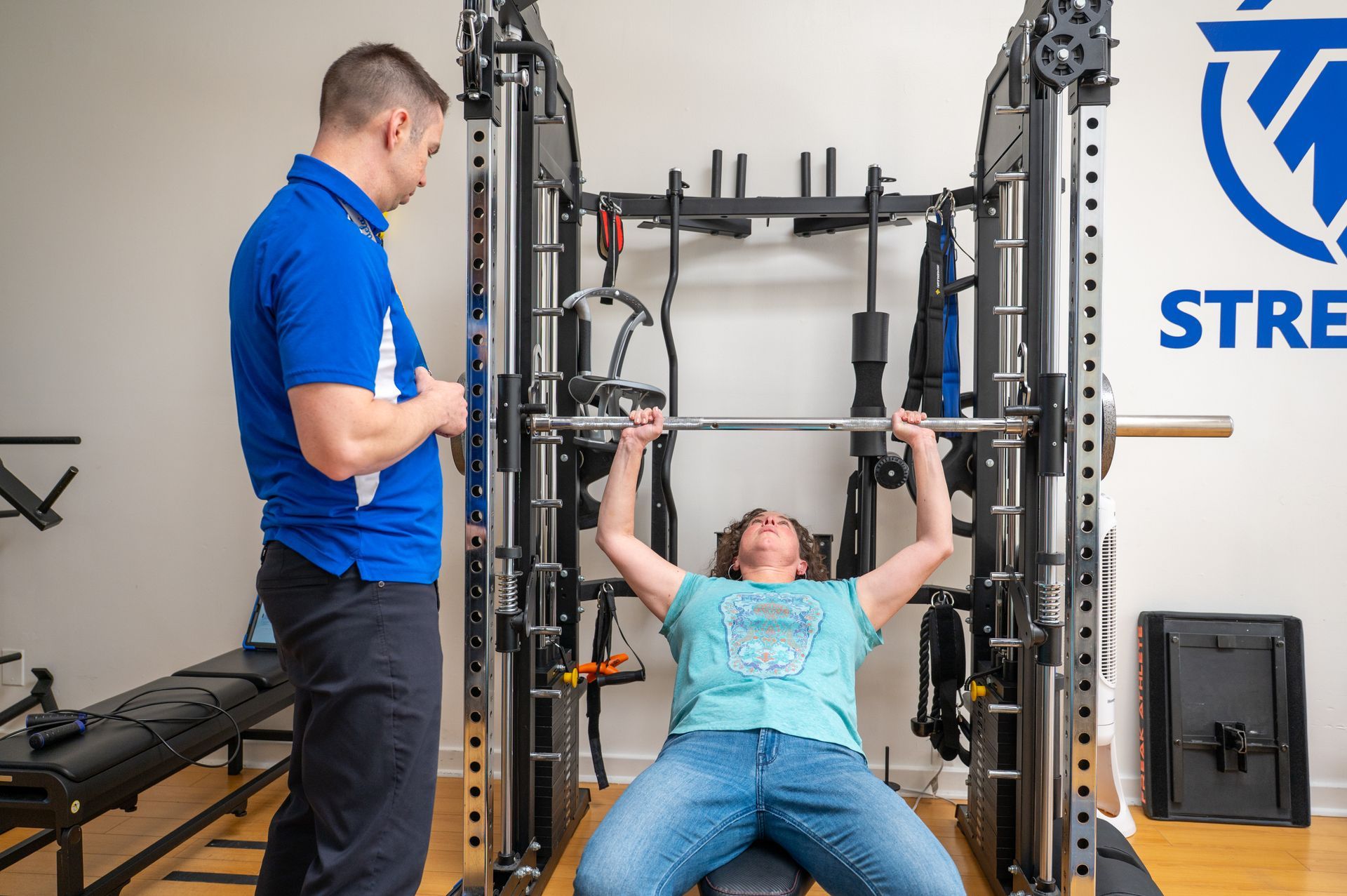
5. Machines Are Safe and Highly Effective
Properly-designed resistance machines activate muscle as effectively as free weights while reducing injury risk. (Schick et al., 2010; Wirth et al., 2016)
Arthur Jones wasn't just early—he was right.
FAQ
Q: Do I need Nautilus or MedX machines to train "Arthur Jones style"?
A: No. Jones' philosophy is about principles, not brand loyalty. At TNT Strength, we use modern equipment designed with the same biomechanics in mind—and the results speak for themselves.
Q: Is brief, intense training safe for older adults?
A: Absolutely. Research consistently shows that slow, controlled resistance training is one of the safest and most effective ways to improve strength, bone density, and metabolic health—especially for adults 50+. (Fragala et al., 2019)
Q: How many times per week should I train this way?
A: Most people thrive on 1–3 sessions per week. This isn't "minimum"—it's optimal. Recovery is part of the program.
Q: Can you really get strong training only 20–30 minutes?
A: Yes—if the intensity, form, and progression are dialed in. That's the legacy of Arthur Jones, and it's the blueprint at TNT Strength.
Q: Do you still use the "one-set-to-failure" method?
A: When appropriate, yes. But we tailor it to YOU. The principle is intensity, not dogma.
References
Dave Smith and Stewart Bruce-Low: Strength Training Methods and the Work of Arthur Jones (2004, Journal of Exercise Physiology online, 7(6), 52–68).
Fragala, M. S., et al. (2019). Resistance training for older adults: position statement. Journal of Strength and Conditioning Research.
Gentil, P., et al. (2017). The effects of tempo on muscle activation. European Journal of Applied Physiology.
Grgic, J., et al. (2018). Frequency and strength outcomes. Sports Medicine.
Morton, R. W., et al. (2016). Training to failure vs. not to failure. Journal of Applied Physiology.
Schoenfeld, B. J., et al. (2014). Hypertrophy mechanisms. Sports Medicine.
Schick, E. E., et al. (2010). Machines vs. free weights. Journal of Strength and Conditioning Research.
Steele, J., et al. (2017). Resistance training volume and frequency. PLOS ONE.
Wirth, K., et al. (2016). Equipment type and muscle activation. Journal of Sports Science & Medicine.
Experience the TNT Strength difference with a free workout.
START YOUR FITNESS TRANSFORMATION WITH A
FREE WORKOUT
Complete the form and we'll set up an appointment for you.
Recent Articles