Why Fast Fat Loss Fails (and Sustainable Fat Loss Wins)
Estimated reading time: 6–7 minutes
TL;DR: Quick weight loss built on starvation almost always rebounds. Sustainable fat loss comes from training your metabolism to rely less on constant glucose and more on stored fat—while prioritizing protein, healthy fats, strength training, and consistency. The goal is not to eat less forever. The goal is to become metabolically efficient enough that fat loss becomes a byproduct of living well.
At TNT Strength, I've seen this story play out with clients from Rockridge to North Berkeley , from busy professionals on College Avenue to retirees walking Solano and executives splitting time between Oakland and Berkeley.
They don't fail because they "lack discipline."
They fail because they were handed a strategy built to fail.
The modern fat-loss world is obsessed with speed
.
Lose 10 pounds in 10 days.
Detox. Reset. Slash calories. Punish yourself.
That approach may move the scale, but it rarely changes the body in a meaningful, lasting way.
And here's the truth we teach every day inside TNT Strength:
Fast fat loss is rarely healthy fat loss. Sustainable fat loss is built on physiology, not suffering.
The Problem With Crash Diets
When fat loss is based almost entirely on severe caloric restriction , you almost always get the same result:
- initial rapid weight loss
- constant hunger
- reduced energy
- muscle loss
- metabolic slowdown
- rebound weight gain
This is the classic yo-yo cycle .
The body does not interpret starvation as "beach prep."
It interprets it as survival stress
.
Research on long-term metabolic adaptation shows that aggressive dieting can leave metabolism suppressed long after the diet ends, making regain more likely.
And here's the part nobody wants to say out loud:
Hunger always wins eventually.
Motivation fades. Biology does not.
That's why so many people in Oakland's Rockridge neighborhood , North Berkeley, and the East Bay professional community bounce between intense dieting phases and rebound periods that leave them heavier, more frustrated, and less healthy than before.
You Don't "Become" Your Food — You Burn It
There's an old phrase:
You are what you eat.
It's catchy.
It's memorable.
It's also incomplete.
The better truth is this:
You burn what you eat.
If your daily intake is dominated by refined carbohydrates, frequent snacking, and glucose-driven meals, then your body gets very good at one thing:
burning sugar.
That means stored body fat rarely gets called into the game, because the body keeps using the easiest available fuel source.
Whatever glucose isn't immediately used gets stored for later—often as body fat.
But when you begin prioritizing protein, reducing unnecessary carbohydrate load, and including healthy fats , you create the conditions for your body to regain metabolic flexibility.
That's when stored fat becomes useful fuel instead of permanent decoration.
Studies comparing low-carbohydrate approaches against low-fat diets repeatedly show superior fat-loss outcomes and better adherence in many populations.
That's not dogma.
That's data.
The TNT Strength Way: Sustainability Over Suffering
At TNT Strength, we do not coach people into starvation.
We coach them into strength, satiety, and consistency .
The real magic happens when people stop chasing "less food" and start building a system around:
- high protein intake
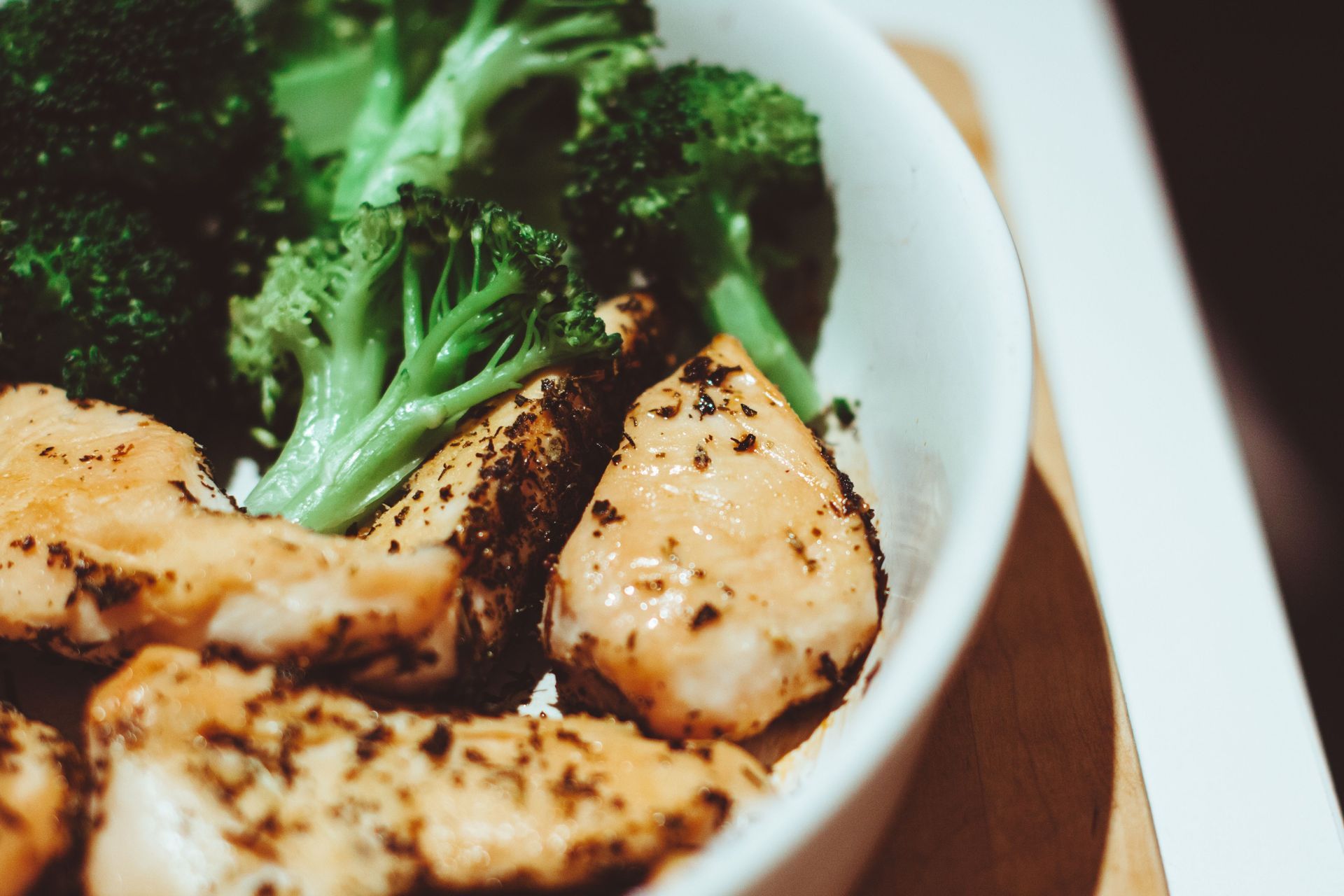
- whole-food meals
- healthy fats
- strategic carbohydrate use
- progressive strength training
- recovery and sleep
- repeatable daily structure
This approach matters because fat loss that preserves muscle is the only fat loss worth chasing .
The more lean muscle you maintain, the better your resting metabolism, insulin sensitivity, resilience, and long-term body composition become.
That's why our clients in North Berkeley and Rockridge don't just lose weight.
They become stronger, firmer, more energetic, and more capable.
The scale may move slower than a crash diet.
But the mirror, the bloodwork, the confidence, and the sustainability all improve dramatically.
And most importantly:
they can live this way for life.
Why Strength Training Makes This Work Better
Nutrition shifts fuel use.
Strength training changes the engine.
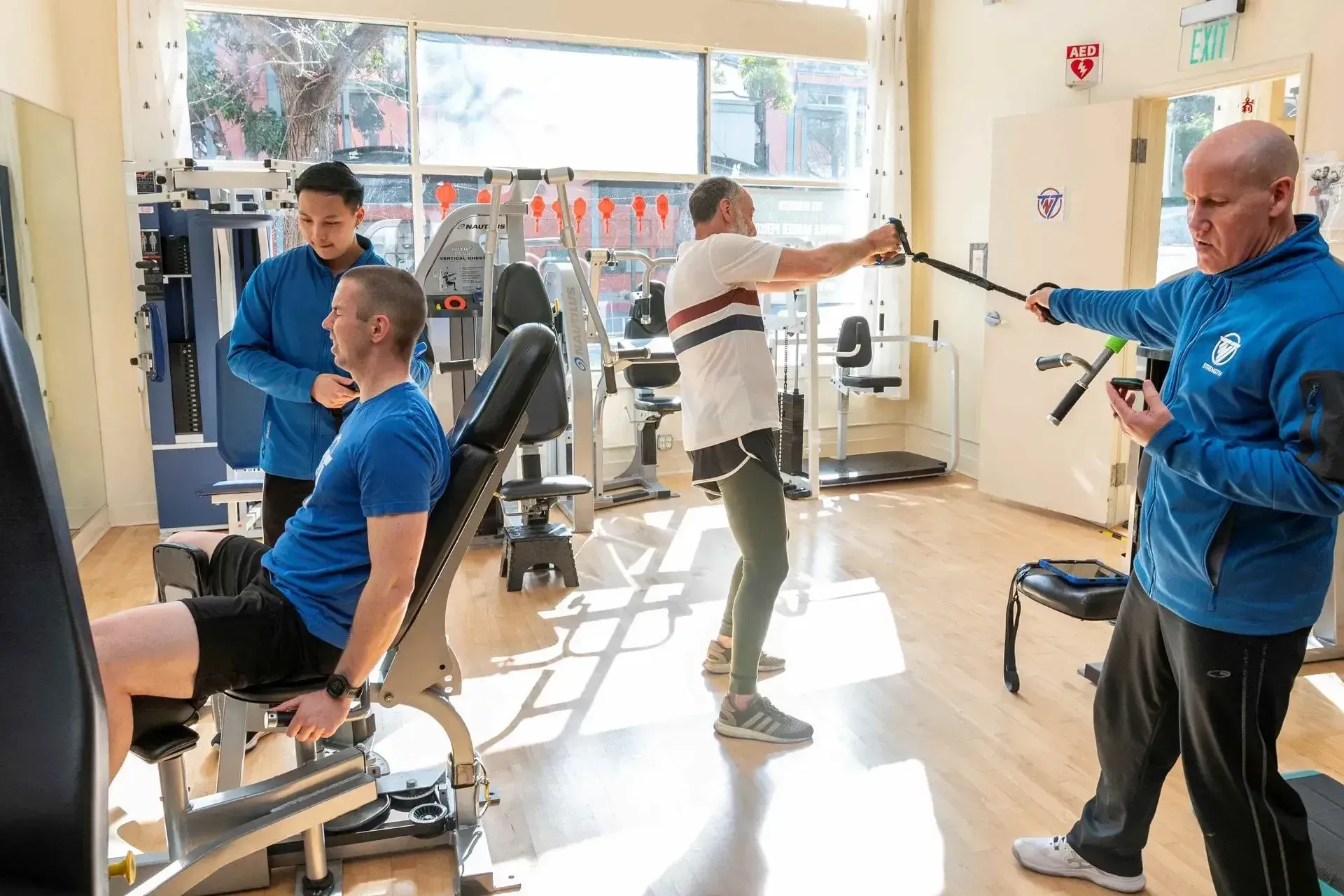
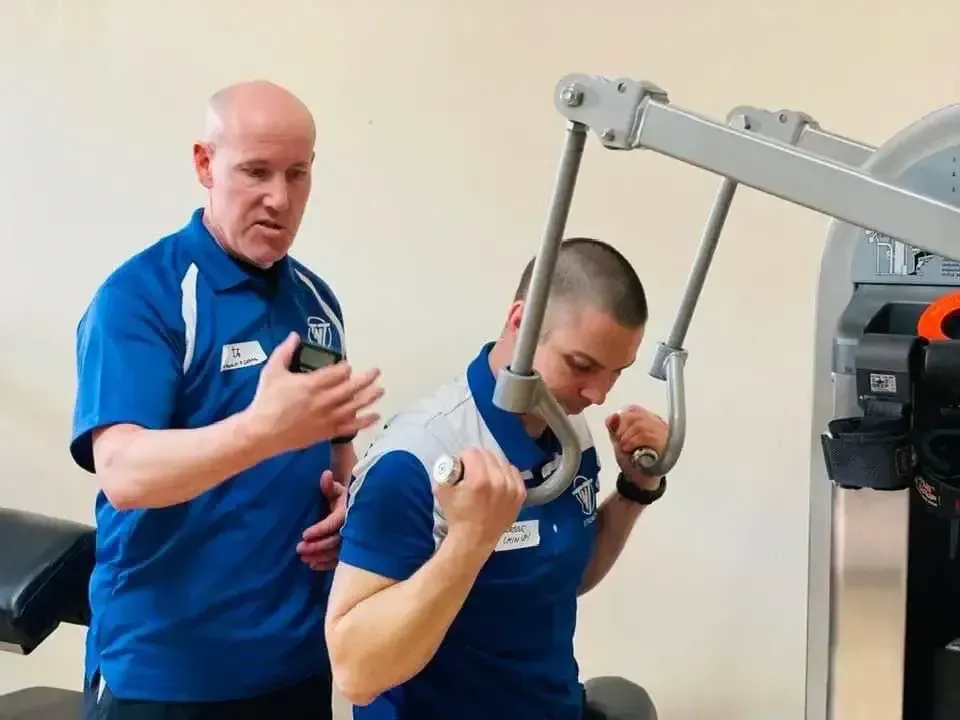
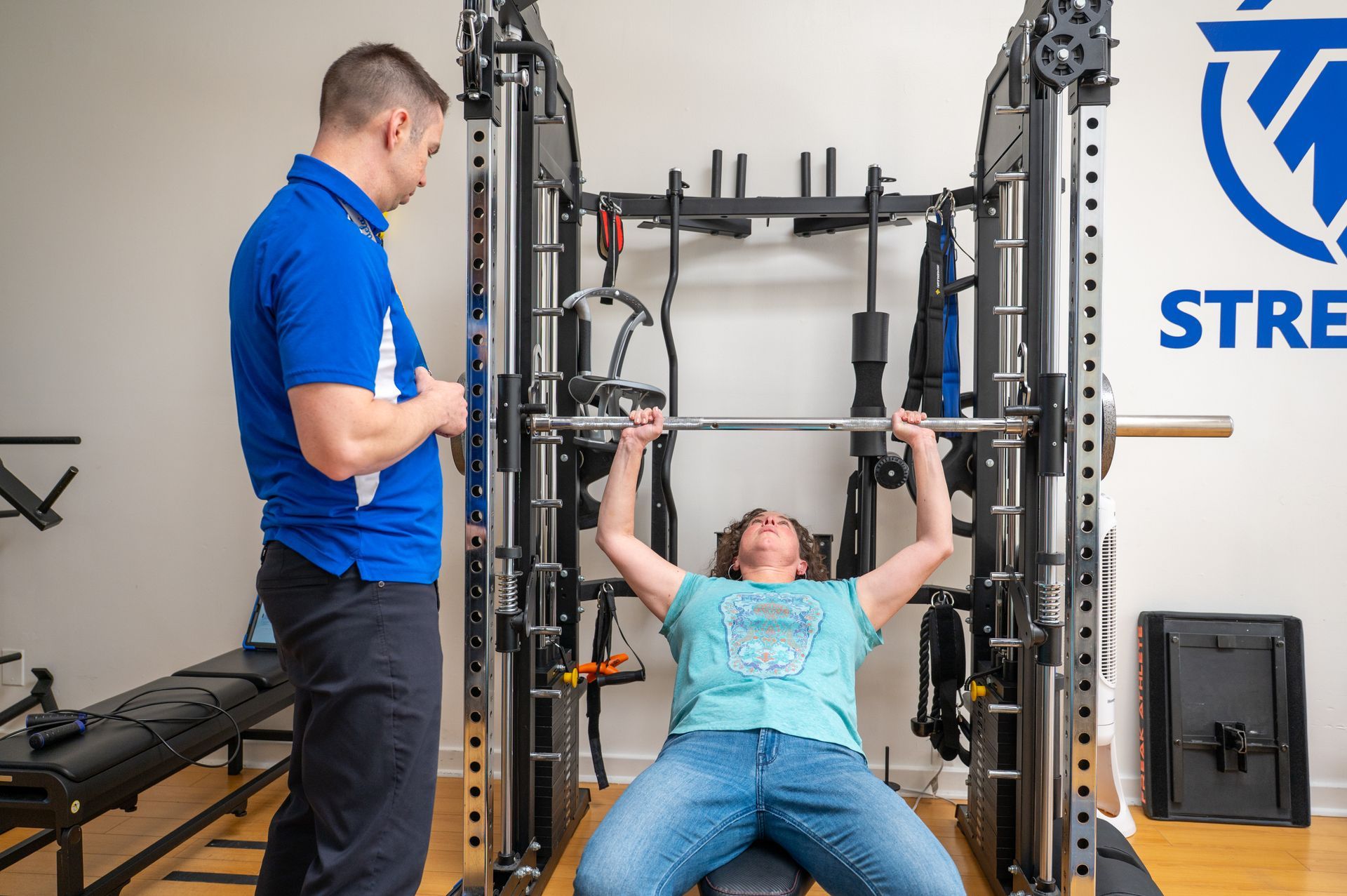
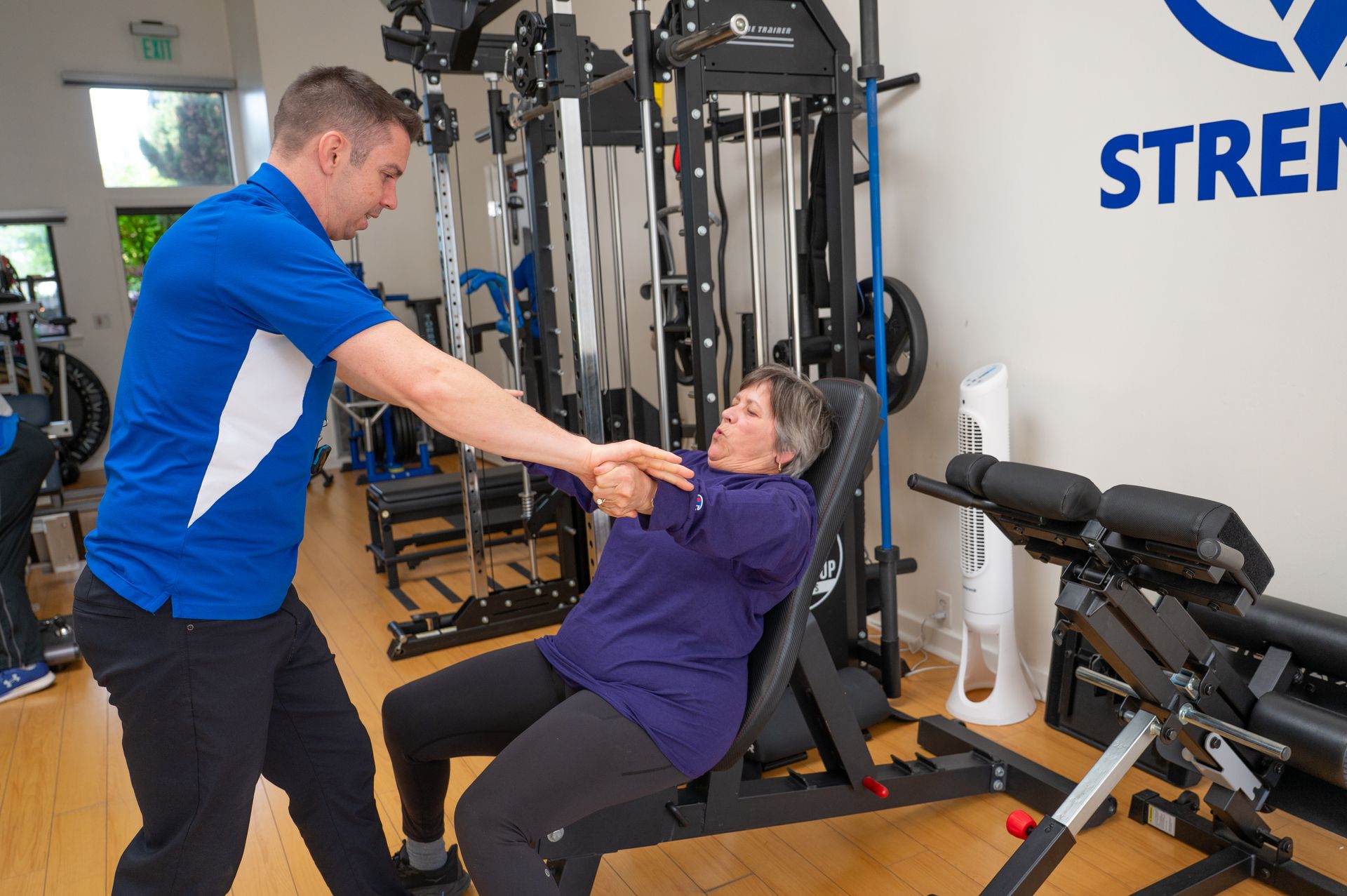
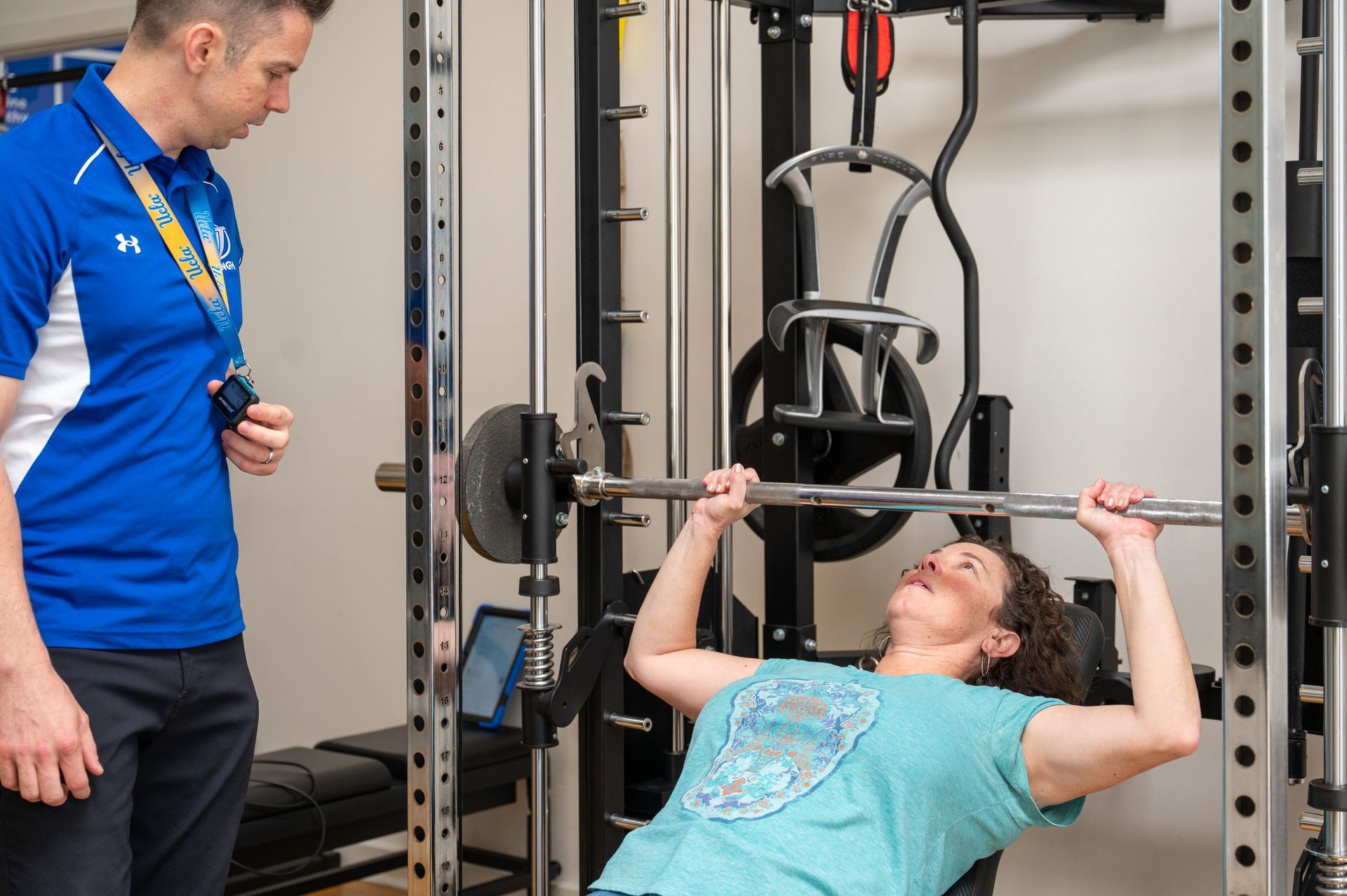
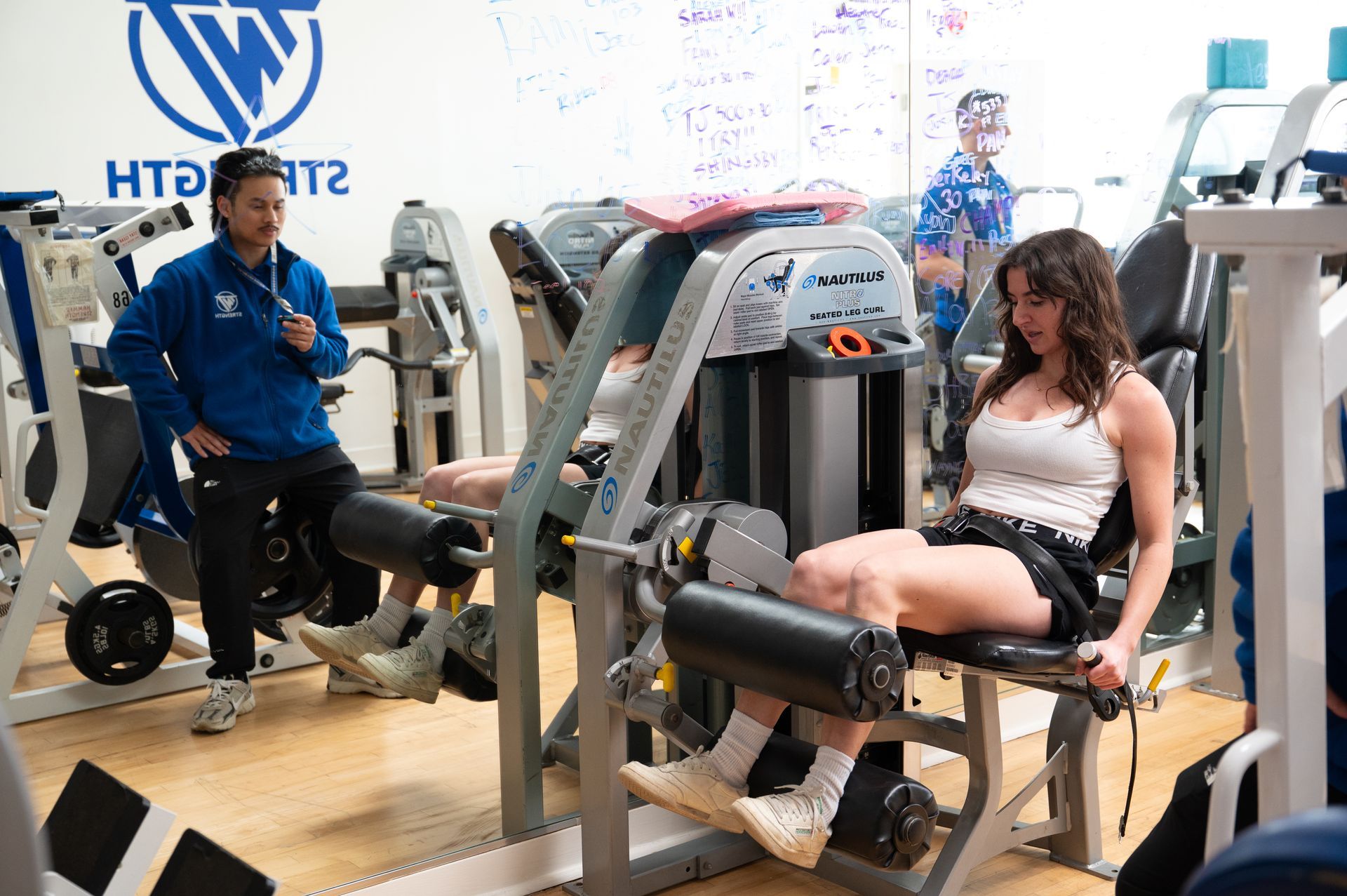
At TNT Strength, our evidence-based high-intensity strength training systems help preserve and build metabolically active muscle tissue while reducing the need for endless cardio.
That's a game changer for busy East Bay adults.
If you live near Rockridge, Temescal, Elmwood, or North Berkeley , you already know life moves fast. Commutes, work, family, and social obligations can crush good intentions.
That's why our model focuses on brief, safe, brutally effective workouts that fit real life.
When paired with a sustainable nutrition strategy, the result is:
- better body composition
- less hunger
- improved insulin response
- stronger joints
- more energy
- sustainable fat loss without obsession
This is how adults over 40—and especially over 50—win.
Not through punishment.
Through precision and patience .
Fat Loss for Oakland Rockridge & North Berkeley Professionals
For our neighbors in Rockridge, Claremont, Elmwood, and North Berkeley , the biggest challenge is rarely knowledge.
It's environmental friction .
Too many pastries on College Avenue.
Too many wine nights.
Too many rushed lunches between meetings in downtown Oakland or Berkeley.
The solution isn't perfection.
It's building a nutrition and training framework that works with real East Bay life.
That means:
- protein-first breakfasts before the BART commute
- smart lunch choices around Rockridge Market Hall
- evening strength sessions that don't require 90 minutes
- meals that reduce cravings instead of triggering them
- enough dietary fat and protein to stay full
The goal is to make the healthy choice the easy choice.
That's what sustainability looks like in the real world.
FAQ
Is rapid weight loss ever a good idea?
Very rarely. In most cases, rapid loss includes water, glycogen, and muscle tissue—not just fat. Sustainable loss is healthier and easier to maintain.
Should I eliminate all carbohydrates?
Not necessarily. The goal is strategic carbohydrate use , not blind elimination. Many people do best with lower carbohydrate intake centered around activity demands and recovery.
Why is protein so important?
Protein helps preserve muscle, increases satiety, and supports recovery from strength training—all critical for long-term fat loss.
Can strength training really help me lose fat?
Absolutely. Strength training helps retain or build lean tissue, which improves metabolic health and makes fat loss more sustainable.
Is this approach good for adults over 50?
It may be especially valuable for adults over 50, because preserving muscle becomes increasingly important for metabolism, balance, and long-term independence.
TAKU'S NOTE:
Stop chasing the thrill of fast results.
Fast results often disappear just as fast.
Instead, chase strength, satiety, metabolic flexibility, and repeatability .
At TNT Strength, we believe the best fat-loss plan is the one that still works six months, six years, and six decades from now .
The body responds beautifully when you stop fighting it and start working with physiology.
Don't rely on dogma. Rely on data.
Build strength. Eat with purpose. Let fat loss become the consequence.
References
- Fothergill E, et al. Persistent metabolic adaptation 6 years after The Biggest Loser competition. Obesity. 2016.
- Chandler-Laney PC, et al. Return of hunger following a relatively high carbohydrate breakfast. Appetite. 2014.
- Rubini A, et al. Ketogenic diet effects on metabolic and respiratory parameters. Lung. 2015.
- Lister G, et al. Oxygen uptake in infants and children. Pediatrics. 1974.
- Walton CM, et al. 90-day ketogenic diet in type 2 diabetes. J Diabetes Res. 2019.
This article is for educational purposes only and is not medical advice. Always consult a qualified healthcare professional before making significant dietary or exercise changes, especially if you have a medical condition.
Experience the TNT Strength difference with a free workout.
START YOUR FITNESS TRANSFORMATION WITH A
FREE WORKOUT
Complete the form and we'll set up an appointment for you.
Recent Articles