GLP-1 Medications, Diet & Exercise: Why the Foundation Still Matters
Estimated Reading Time: 5 minutes
TL;DR
GLP-1 medications can be powerful tools for weight management, but losing weight isn't the same as improving your overall health. Appetite suppression doesn't build muscle, preserve strength, or improve physical fitness by itself. Adequate protein, sensible nutrition, resistance training, and regular physical activity help protect muscle, maintain function, and support long-term results. The goal isn't simply to weigh less. It's to become healthier, stronger, and more capable.
The Medication Is a Tool. What You Do With It Still Matters.
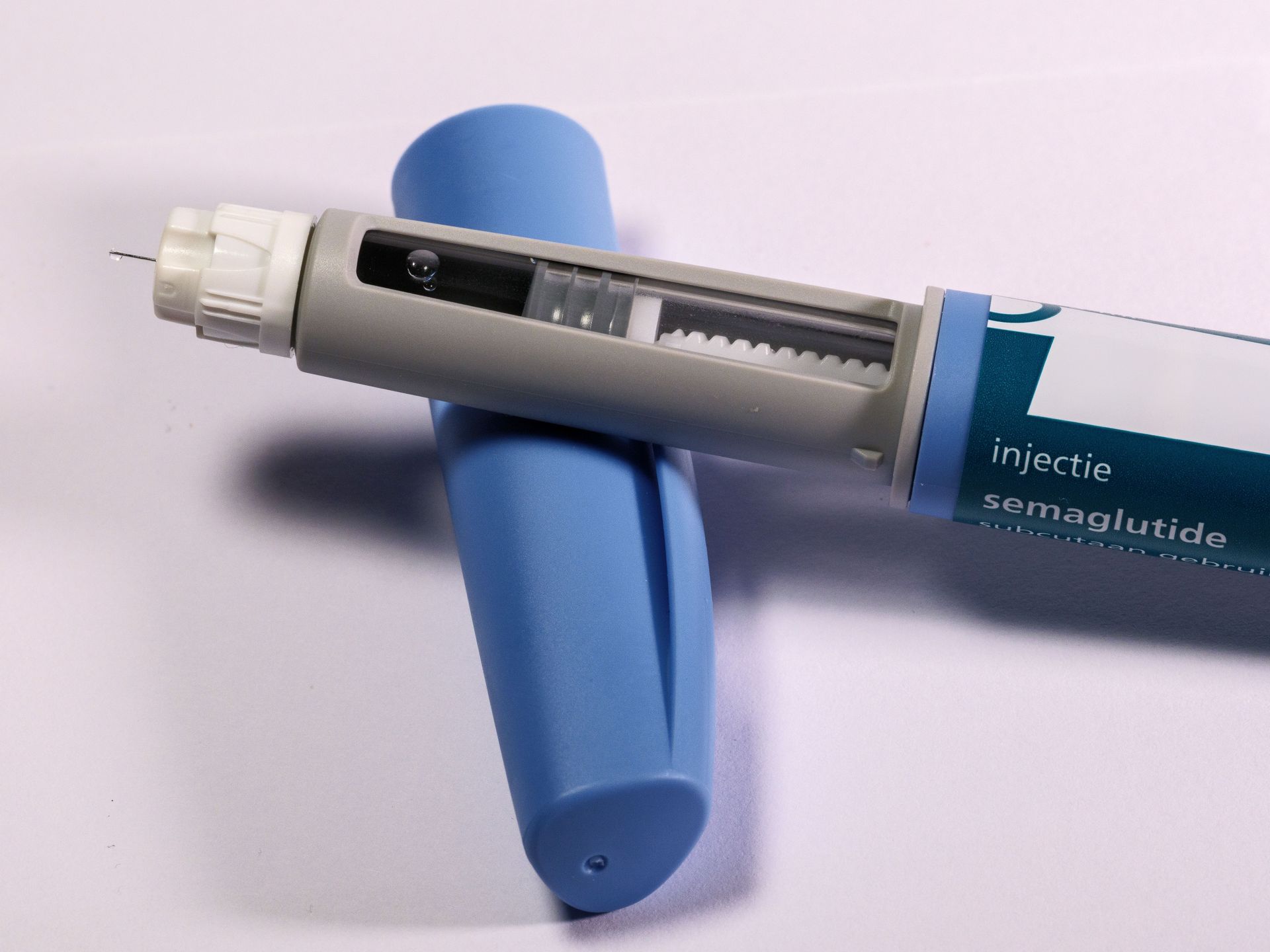
GLP-1 medications, including semaglutide and related treatments such as tirzepatide, have changed the landscape of weight management. For many people, they can make it easier to manage appetite, reduce food intake, and lose a meaningful amount of weight.
That's a significant development. But let's keep things in perspective.
Losing weight and improving body composition are not the same thing.
When you lose weight, the goal should be to lose excess body fat while preserving as much muscle and physical function as reasonably possible. Weight loss can include fat, lean tissue, and water. Some body-composition studies have reported that a substantial portion of weight lost during GLP-1-based treatment comes from lean mass, although the percentage varies, and lean mass measurements don't represent skeletal muscle alone.
Why should you care?
Muscle isn't just something you see in the mirror. It helps you get out of a chair, climb stairs, carry groceries, maintain balance, and remain physically independent as you age.
A lower number on the scale doesn't automatically mean you're healthier, stronger, or more physically capable.
At TNT Strength, we believe in measuring progress by more than body weight.
Diet: Eat to Support the Body You're Building
GLP-1 medications can reduce hunger significantly. That's part of their appeal, but it can also create a problem: when you're eating much less, it becomes easier to consume too little protein, too few essential nutrients, and insufficient overall energy.
You can lose weight while making poor nutritional choices. You can also lose weight while failing to provide your body with what it needs to preserve muscle.
Neither outcome should be the goal.
Here are the priorities.
1. Get enough protein.
Protein provides the building blocks your body needs to maintain and repair muscle tissue. During weight loss, getting enough protein becomes particularly important.
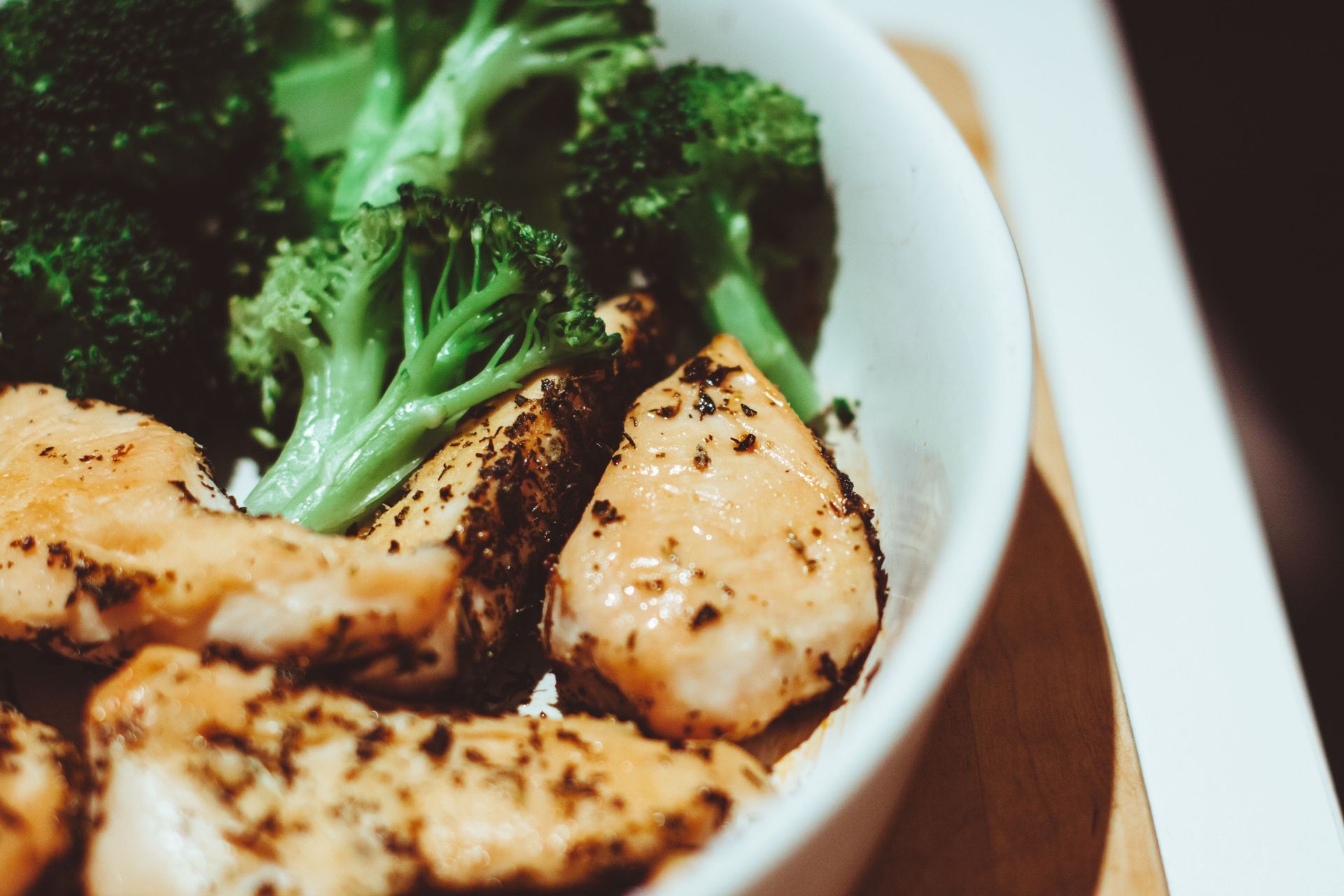
Include protein-rich foods such as lean meat, fish, eggs, dairy products, soy, or other suitable sources throughout the day. Your individual requirements depend on factors such as body size, age, activity level, and health status.
Simply eating less isn't a complete nutrition strategy. If reduced appetite makes it difficult to meet your needs, consult a registered dietitian or your prescribing clinician.
2. Pay attention to overall Personal Eating Plan quality.
Protein matters, but it isn't the entire story. Your body also needs vitamins, minerals, essential fats, fiber, and adequate fluids.
Build your eating plan around foods that provide substantial nutritional value. Adjust portions and food choices to support your goals without allowing appetite suppression to become chronic undernutrition.
3. Don't confuse eating less with eating well.
A medication may make it easier to maintain a calorie deficit, but that doesn't eliminate the need for a sensible nutrition plan.
If nausea, vomiting, constipation, or other gastrointestinal side effects make eating and drinking difficult, discuss them with your healthcare provider. Persistent symptoms and inadequate intake deserve attention—not an assumption that eating even less is better.
Exercise: Protect What You Don't Want to Lose
Here's where the conversation often gets overlooked.
A medication can help reduce food intake. It doesn't replace the adaptations produced by exercise.
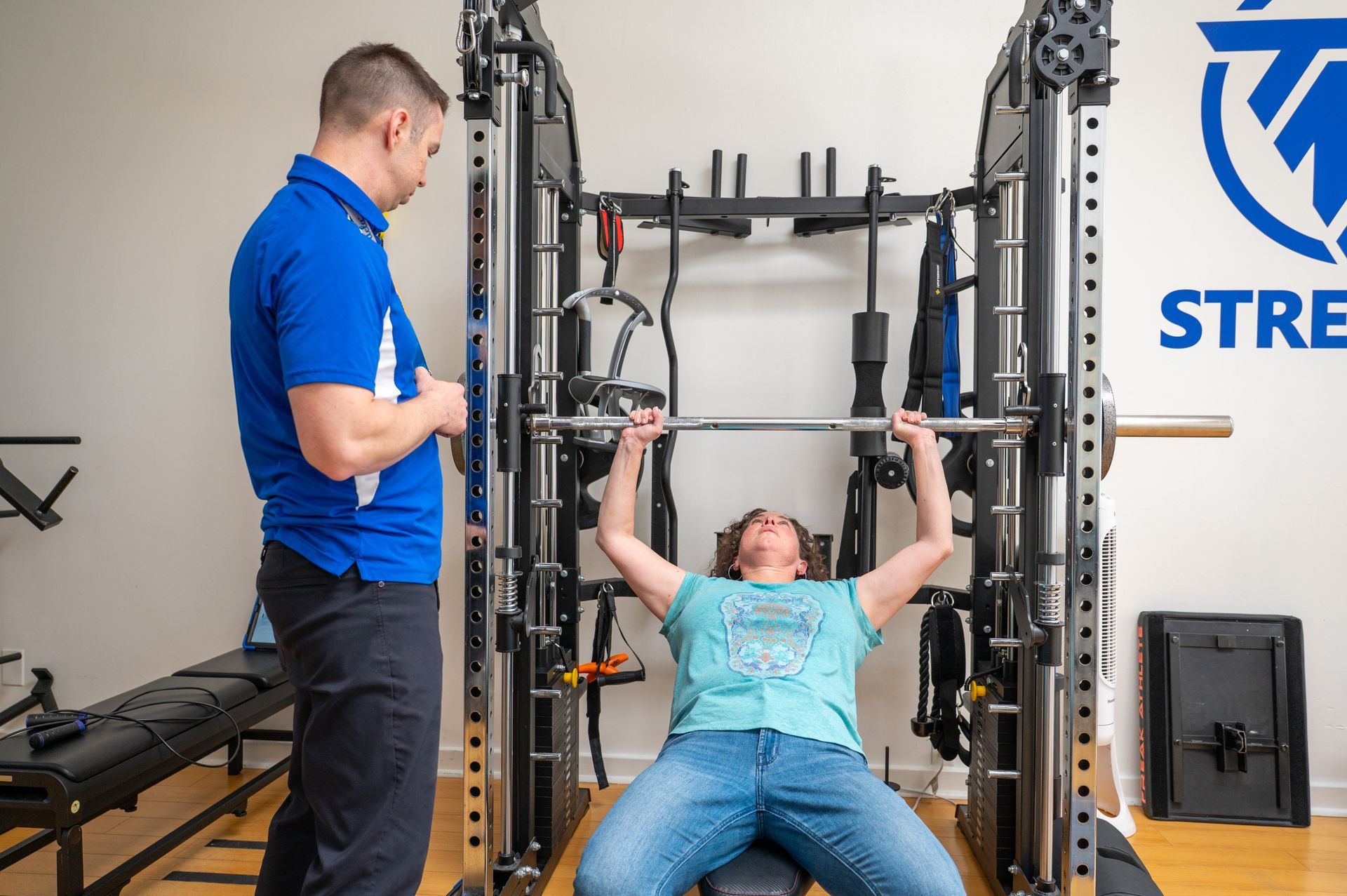
Resistance training challenges your muscles and gives your body a reason to maintain the tissue it already has. It also helps preserve strength and physical function during weight loss.
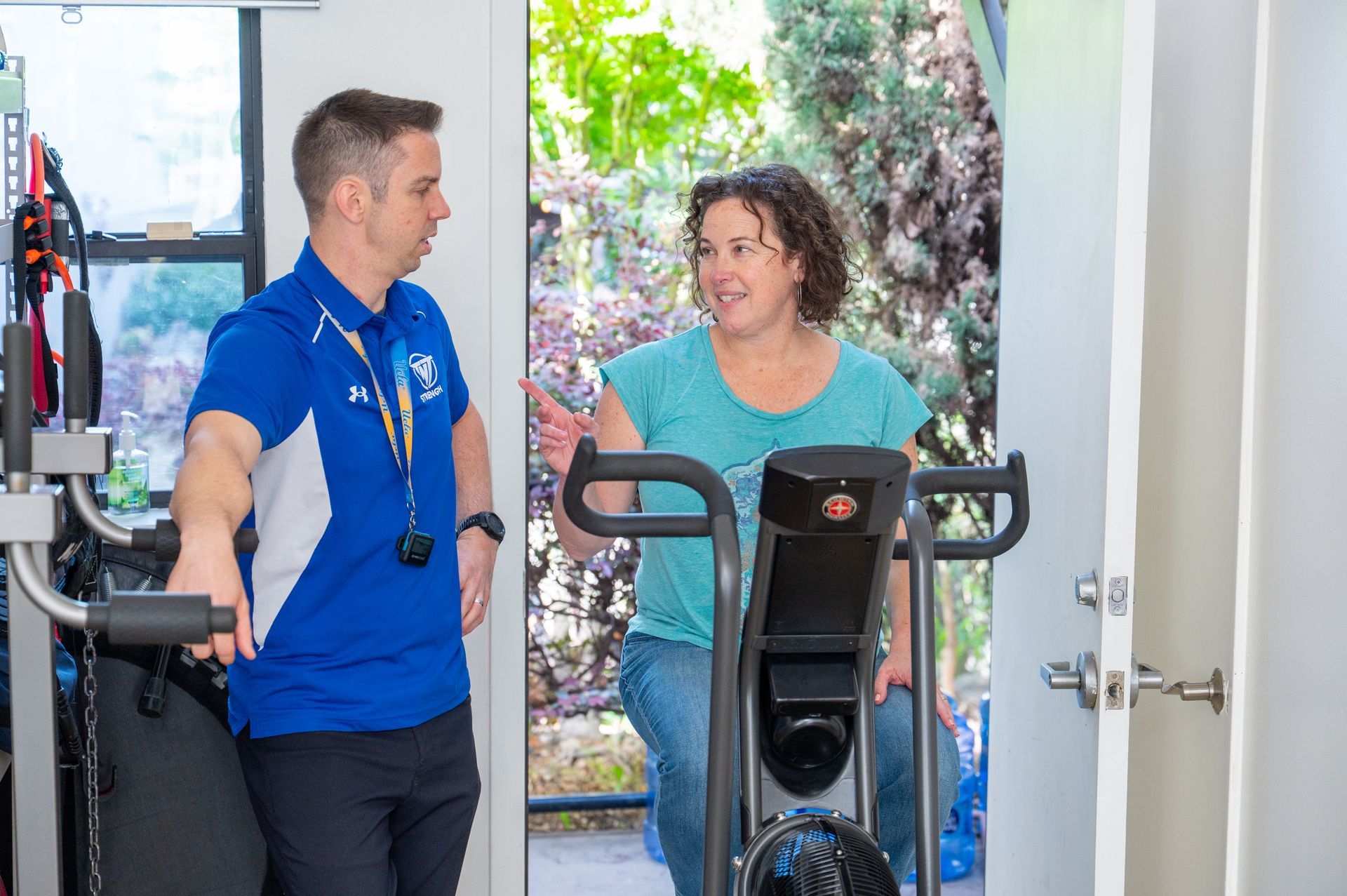
Aerobic activity contributes to cardiovascular fitness and supports metabolic health. Regular movement also helps maintain the physical capacity that makes everyday life easier.
These benefits matter whether or not the scale changes.
Resistance training should be a priority
If you're losing weight with the assistance of a GLP-1 medication, resistance training deserves a prominent place in your plan.
You don't need to become a competitive bodybuilder or spend hours in the gym. You need a structured, progressive program appropriate to your abilities, health, and recovery.
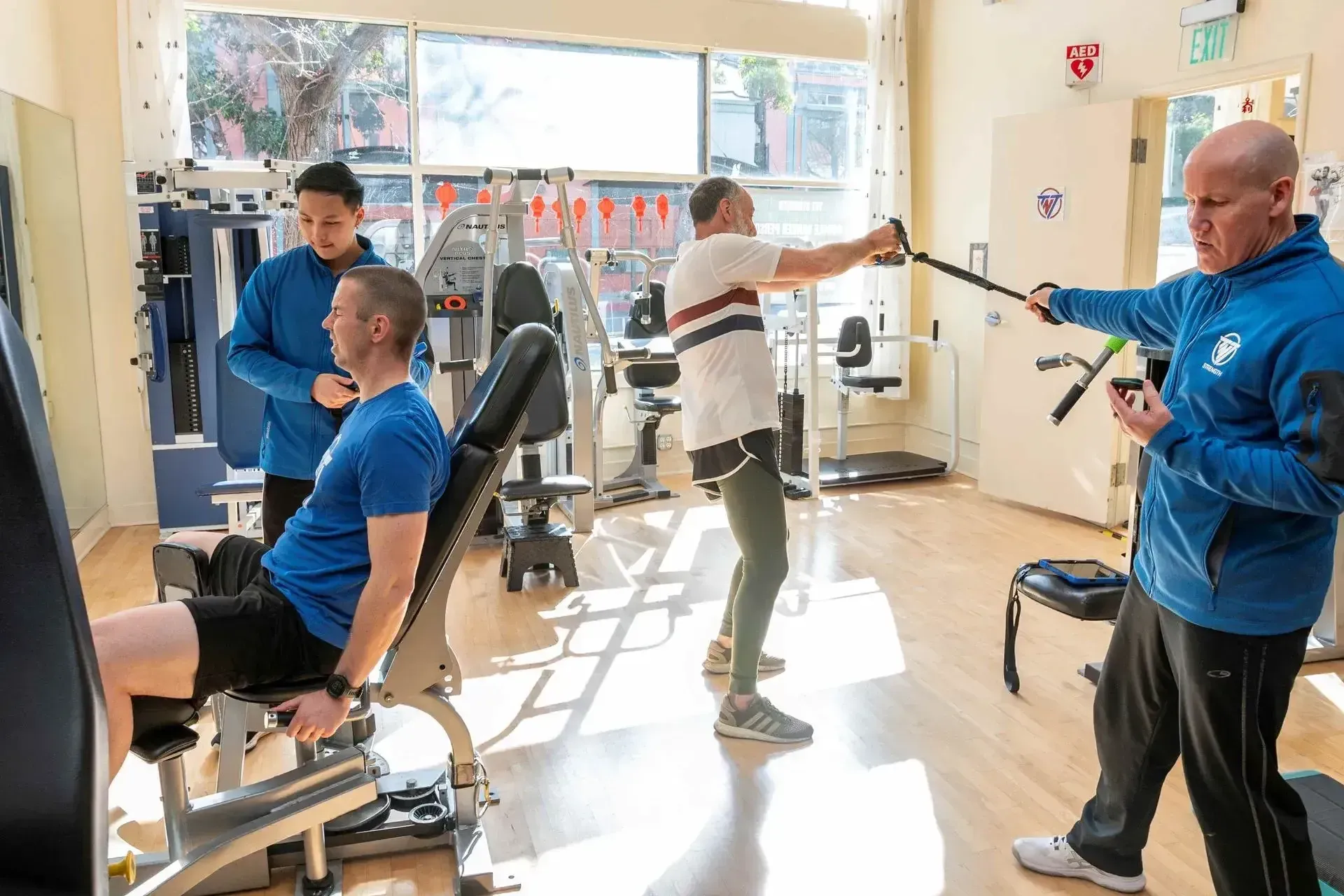
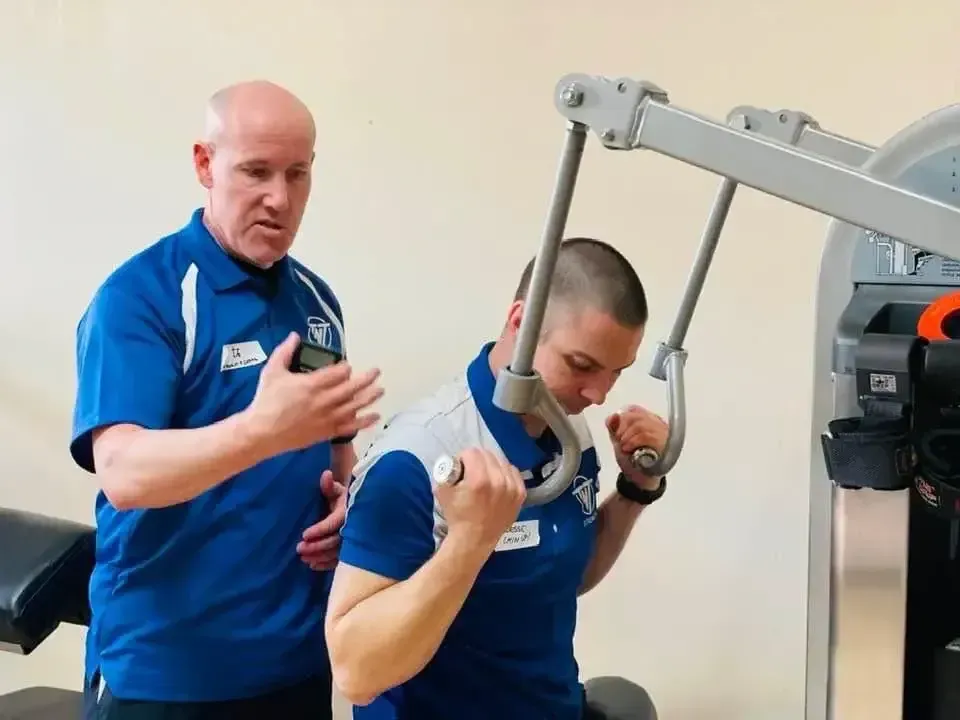
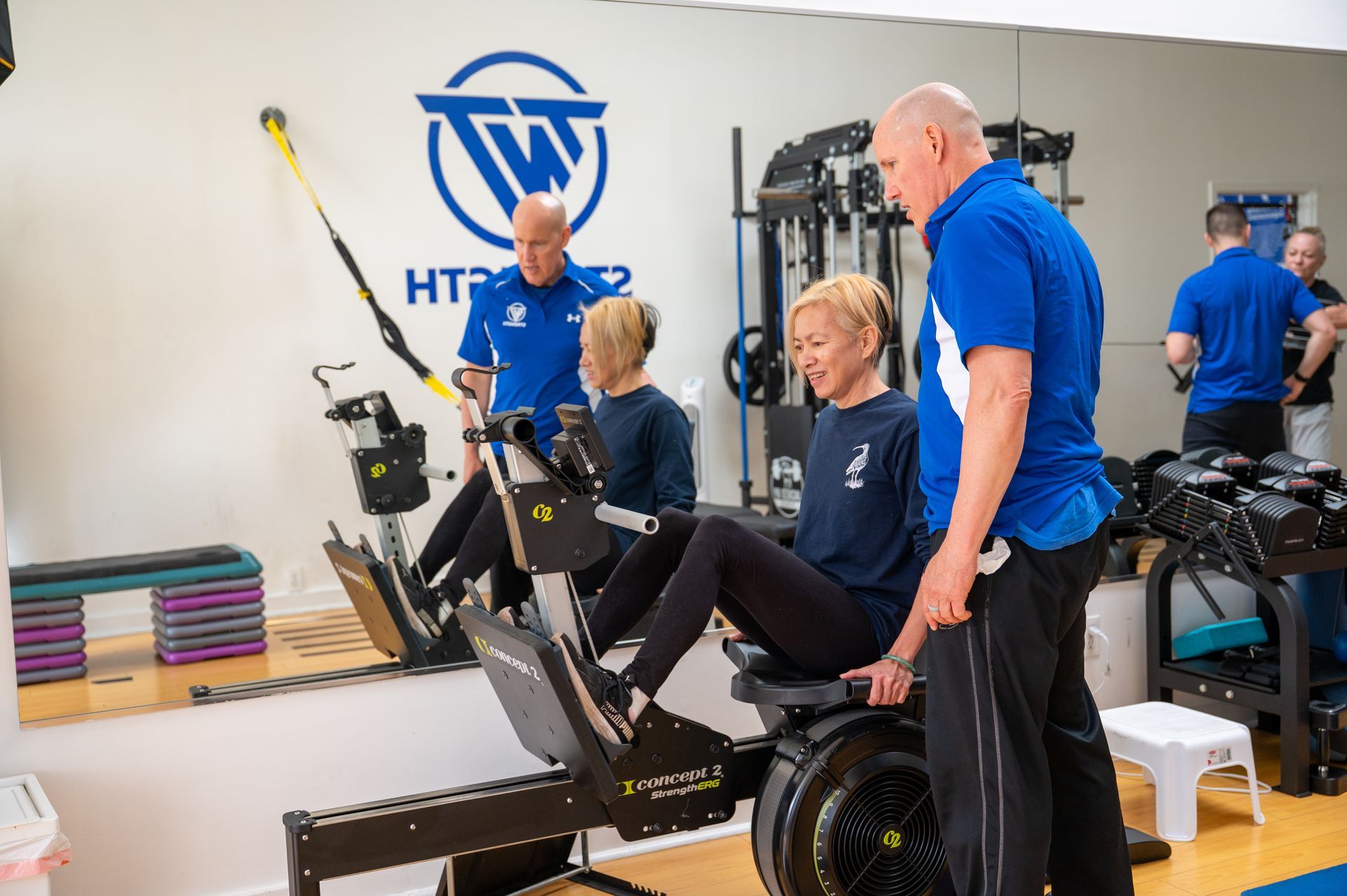
At TNT Strength, we emphasize efficient, purposeful strength training. The objective is to challenge the muscles appropriately, stimulate a useful training response, and allow sufficient recovery.
The precise program should be individualized. Someone who is new to exercise, significantly deconditioned, or managing other medical conditions may need a gradual introduction and additional guidance.
Protein provides the building blocks. Resistance training provides the stimulus. Both matter when the goal is to preserve muscle during weight loss.
Don't neglect cardiovascular fitness
Strength is essential, but it isn't the only measure of health.
Work toward the widely recommended adult target of at least 150 minutes of moderate-intensity aerobic activity each week, or 75 minutes of vigorous activity, as appropriate. Regularly walking, cycling, swimming, or performing another activity you enjoy can help you build toward that target.
Start where you are and progress according to your ability. If you're currently inactive, doing something consistently is more useful than setting an ambitious target you cannot sustain.
Also, spend less time sitting when practical. Walking breaks and everyday movement count toward a more active lifestyle, even when they don't replace structured exercise.
What Happens When You Rely on Medication Alone?
Imagine two people who each lose 30 pounds.
The first person loses weight but does little resistance training, eats too little protein, and becomes weaker along the way.
The second person follows a sensible nutrition plan, consumes adequate protein, performs regular resistance training, and improves cardiovascular fitness while losing weight.
The scale may show the same result. Their strength, physical capabilities, and body composition may be quite different.
That's why the quality of weight loss matters.
Research examining combined approaches to weight management supports the value of pairing medication with structured exercise and nutritional support. In a randomized trial, combining exercise with liraglutide produced benefits for weight maintenance after treatment compared with either intervention alone. This doesn't guarantee the same outcome for every medication or individual, but it reinforces an important principle: medication and lifestyle interventions can serve complementary roles.
There is another consideration: what happens if treatment is discontinued?
Weight regain is common after stopping GLP-1-based medications. That doesn't mean everyone will regain the same amount, or that medication should necessarily be stopped. Treatment decisions belong with the prescribing clinician.
It does mean that the habits you develop while taking medication are worth investing in. Nutrition skills, strength, cardiovascular fitness, and consistent physical activity remain valuable regardless of changes in medication.
The TNT Approach: Build a Stronger Foundation
At TNT Strength, we aren't interested in chasing a number on the scale at the expense of everything else.
We want our clients to improve their strength, maintain muscle, move better, and develop habits that support their health over time.
If you're taking a GLP-1 medication, here's a practical starting point:
- Nutrition: Establish a sustainable eating plan that provides adequate protein, essential nutrients, and appropriate energy intake.
- Strength: Follow a structured resistance-training program suited to your current abilities and health status.
- Movement: Build consistent aerobic activity and reduce unnecessary sedentary time.
- Recovery: Prioritize sleep and allow adequate recovery between challenging workouts.
- Monitoring: Track more than body weight. Consider strength, physical function, exercise tolerance, nutritional adequacy, and relevant health markers with your healthcare team.
- Medical support: Work with your prescribing clinician and, when appropriate, a registered dietitian. Never change or discontinue medication based solely on a training or nutrition recommendation.
At TNT Strength, we provide personal training in Oakland's Rockridge neighborhood and North Berkeley for people who want more than a workout. We help clients develop strength through structured, individualized training.
Whether you're using a GLP-1 medication or pursuing weight management without medication, the underlying principle remains the same.
Everything becomes easier the stronger you are.
Medication may help you lose weight. Good nutrition and exercise help you protect the body you need to live your life.
Build the foundation. Keep getting stronger.
F.A.Q.
Q: 1. Do I need to strength train while taking a GLP-1 medication?
A: Resistance training is strongly worth prioritizing because it helps preserve muscle, strength, and physical function during weight loss. Your program should match your experience, medical status, and recovery capacity.
Q: 2. Can I lose muscle while taking semaglutide or tirzepatide?
A: Yes. Weight loss can include lean tissue as well as fat. The amount varies between individuals and studies. Adequate nutrition and resistance training are important strategies for helping preserve muscle, although neither guarantees that all muscle will be maintained.
Q: 3. Is eating more protein enough to prevent muscle loss?
A: No. Protein supports muscle maintenance, but it doesn't replace the stimulus provided by resistance training. Both adequate nutrition and appropriate exercise matter.
Q: 4. How much exercise should I aim for?
A: A commonly recommended adult target is at least 150 minutes of moderate-intensity aerobic activity per week, together with muscle-strengthening exercise at least two days per week. Build toward these targets gradually if needed, and follow individualized medical guidance when appropriate.
Q: 5. What if my medication makes it difficult to eat enough?
A: Talk with your prescribing clinician and consider consulting a registered dietitian. Persistent nausea, vomiting, dehydration, or difficulty meeting nutritional needs should not be ignored. Don't independently change your medication dose.
Q: 6. Will I regain weight if I stop taking my medication?
A: Weight regain is common after discontinuation, but individual outcomes vary. Decisions about continuing or stopping treatment should be made with your prescribing clinician. Maintaining nutrition and exercise habits can support health and function regardless of your treatment plan.
Q: 7. Can TNT Strength help if I'm taking a GLP-1 medication?
A: Yes. Our coaches can help you develop an individualized strength-training program based on your abilities and goals, while working within appropriate professional boundaries. We don't prescribe medication or replace medical and nutritional care.
If you're looking for personal training in Oakland Rockridge or North Berkeley, contact TNT Strength to discuss your goals and how structured strength training may fit into your plan.
References:
- Sievenpiper J, Ard J, Blüher M, et al. Nutritional and lifestyle supportive care recommendations for management of obesity with GLP-1-based therapies: An expert consensus statement using a modified Delphi approach. Obesity Pillars. 2025;17. doi: 10.1016/j.obpill.2025.100228.
- Mozaffarian D, Agarwal M, Aggarwal M, et al. Nutritional priorities to support GLP-1 therapy for obesity: A joint Advisory from the American College of Lifestyle Medicine, the American Society for Nutrition, the Obesity Medicine Association, and The Obesity Society. Obesity. 2025;33:1475–1503. doi: 10.1002/oby.24336.
- Jensen S, Blond MB, Sandsdal RM, et al. Healthy weight loss maintenance with exercise, GLP-1 receptor agonist, or both combined followed by one year without treatment: a post-treatment analysis of a randomised placebo-controlled trial. eClinicalMedicine. 2024;69:102475. doi: 10.1016/j.eclinm.2024.102475.
Disclaimer: This article is for educational purposes only and is not a substitute for professional medical advice, diagnosis, or treatment. Consult your healthcare provider before changing medication, nutrition, or exercise practices, particularly if you have a medical condition or experience medication-related side effects.
Experience the TNT Strength difference with a free workout.
START YOUR FITNESS TRANSFORMATION WITH A
FREE WORKOUT
Complete the form and we'll set up an appointment for you.
Recent Articles