Stronger Body, Sharper Mind: Why Strength Training Is Essential for Brain Health

Estimated Reading Time: 6 minutes
TL;DR
Exercise isn't just good for your body. It's good for your brain. Research associates regular physical activity with improvements in cognitive function, memory, mood, and brain health. Strength training deserves special attention because it supports cognitive function while preserving muscle mass, strength, and independence as we age. If I had to prioritize one form of exercise for lifelong physical capability and overall health, strength training would be my number one choice.
Exercise: More Than Physical Fitness
Most people understand that exercise improves cardiovascular fitness, helps manage body weight, and makes us physically stronger. What receives considerably less attention is its impact on the brain.
Exercise influences several biological processes associated with brain health, including circulation, neuroplasticity, and the production of neurotrophic factors that support neuronal function.
Here's what the research tells us.
1. Exercise Improves Cognitive Function
A comprehensive umbrella review published in the British Journal of Sports Medicine examined 133 systematic reviews encompassing more than 258,000 participants.
Researchers found that exercise significantly improved general cognition, memory, and executive function .
Executive function includes the mental skills we use to plan, organize, concentrate, solve problems, and regulate behavior.
In other words, exercise isn't simply about improving physical performance. It may also help improve how effectively we think and function.
Reference: Singh et al. (2025). Effectiveness of exercise for improving cognition, memory and executive function: a systematic umbrella review and meta-meta-analysis. British Journal of Sports Medicine. Read the research
2. Exercise Supports Neuroplasticity
Neuroplasticity is the brain's ability to adapt, reorganize, and modify connections in response to experience.
One important molecule involved in these processes is brain-derived neurotrophic factor, or BDNF .
BDNF supports neuronal survival, synaptic plasticity, and processes associated with learning and memory.
A 2025 systematic review and meta-analysis of 35 randomized controlled trials found that exercise training increased resting BDNF levels in older adults. Importantly, resistance training was among the exercise modalities associated with these increases .
Reference: Gholami et al. (2025). Exercise training alters resting brain-derived neurotrophic factor concentration in older adults. Experimental Gerontology. Read the research
3. Strength Training Has Direct Benefits for the Brain
This is where things get particularly interesting.
Resistance training does considerably more than develop muscle.
A systematic review published in 2019 examined research involving resistance exercise, brain structure, brain function, and cognition.
The researchers reported evidence of beneficial functional brain changes, particularly involving the frontal regions associated with executive function. Some studies also identified improvements in executive performance and potentially favorable changes in white matter.
The authors appropriately cautioned that the available evidence was still limited and required further investigation.
Nevertheless, the findings support an important conclusion: strength training is not simply a muscular activity. It is also a neurological stimulus.
Reference: Herold et al. (2019). Functional and/or structural brain changes in response to resistance exercises and resistance training lead to cognitive improvements—a systematic review. European Review of Aging and Physical Activity. Read the research
4. Strength Training Helps Preserve Independence
Brain health doesn't exist in isolation from physical health.
As we age, declining strength and muscle mass can make everyday activities increasingly difficult. Getting out of a chair, climbing stairs, carrying groceries, or recovering from a stumble may become challenging.
Strength training helps preserve the physical capabilities required to remain independent.
It also provides an opportunity to maintain confidence, participate in activities, and continue engaging with the world around us.
That's a pretty significant return on investment.
Why Strength Training Is My Number One Recommendation
At TNT Strength, we have a straightforward philosophy:
Everything Becomes Easier The Stronger You Are.
I believe strength training should be the foundation of an intelligently designed exercise program.
Not because aerobic exercise is unimportant. Cardiovascular exercise offers substantial benefits, and I absolutely recommend incorporating it into your routine.
But strength training addresses something uniquely important: maintaining the muscular strength and physical capability that allow us to function effectively throughout life.
When we combine that with the growing evidence connecting resistance training and cognitive health, the argument becomes even stronger.
Putting It Into Practice
You don't need to become a competitive athlete or spend hours in the gym.
A properly designed resistance-training program performed consistently can provide meaningful benefits.
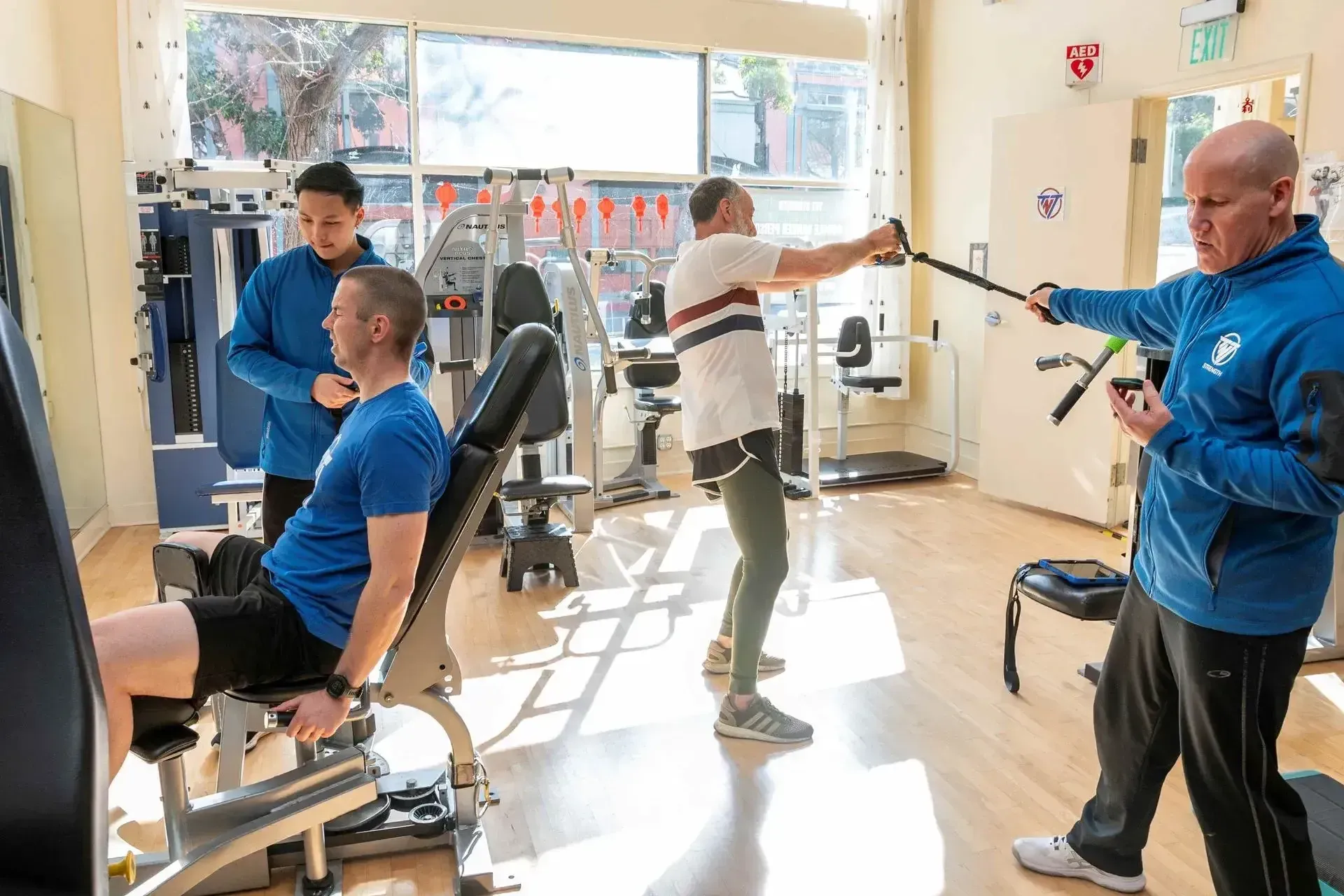
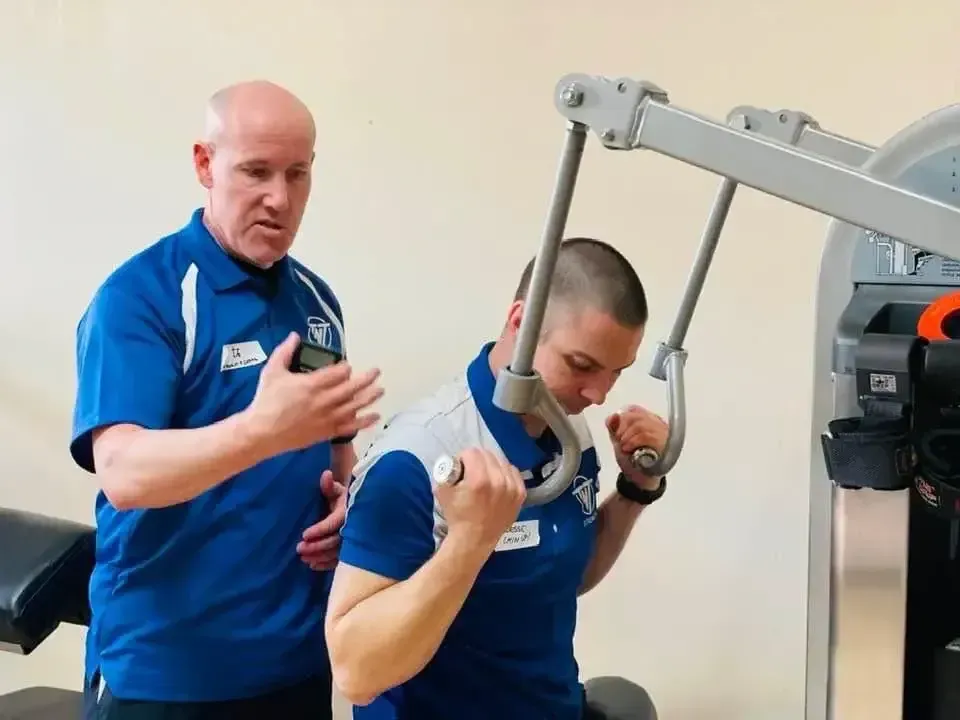
At TNT Strength, our private strength training programs in Oakland's Rockridge neighborhood and North Berkeley emphasize efficient, individualized training designed around each client's abilities, goals, and limitations.
Whether you're looking for a personal trainer in Oakland , strength training in Rockridge , or private personal training in North Berkeley , the objective remains the same:
Build strength. Preserve capability. Support lifelong health.
Don't just exercise for the body you have today. Train for the brain, body, and independence you want to maintain tomorrow.
F.A.Q.
Q: Is strength training good for brain health?
A: Research suggests resistance training can improve selected cognitive functions, including aspects of memory and overall cognition. Studies also identify potentially beneficial changes in brain function and structure. The evidence is promising, although strength training cannot guarantee prevention of dementia or Alzheimer's disease.
Q: Is strength training better than cardio for brain health?
A: Both offer important benefits. Aerobic exercise has substantial evidence supporting cognitive and cardiovascular health, while resistance training supports cognition, muscle strength, and physical independence. My recommendation is to prioritize strength training as the foundation and incorporate cardiovascular exercise as well.
Q: How often should I strength train for brain health?
A: For most adults, two or three appropriately designed resistance-training sessions per week is a practical starting point. Training frequency, intensity, and exercise selection should be individualized.
Q: Is strength training important after age 50?
A: Absolutely. Maintaining strength, muscle mass, and physical capability becomes increasingly important as we age. Strength training is one of the most effective tools available for supporting those goals.
Q: Can strength training improve memory?
A: Research suggests resistance training may improve certain memory-related outcomes, particularly working memory and verbal learning in older adults. Results vary across studies, and improvements are not guaranteed for every individual or cognitive domain.
References:
- Singh B, et al. (2025). Effectiveness of exercise for improving cognition, memory and executive function: a systematic umbrella review and meta-meta-analysis. British Journal of Sports Medicine. https://doi.org/10.1136/BJSPORTS-2024-108589
- Gholami F, et al. (2025). Exercise training alters resting brain-derived neurotrophic factor concentration in older adults: A systematic review with meta-analysis of randomized-controlled trials. Experimental Gerontology. https://pubmed.ncbi.nlm.nih.gov/39674562/
- Herold F, et al. (2019). Functional and/or structural brain changes in response to resistance exercises and resistance training lead to cognitive improvements—a systematic review. European Review of Aging and Physical Activity. https://pubmed.ncbi.nlm.nih.gov/31333805/
Liam "TAKU" Bauer is President and Co-Owner of TNT Strength, providing individualized private strength training in Oakland's Rockridge neighborhood and North Berkeley. TNT Strength helps clients build strength, improve physical capability, and maintain independence through decades of experience and evidence-informed training.
This article is for informational and educational purposes only and is not intended to substitute for professional medical advice, diagnosis, or treatment.
Experience the TNT Strength difference with a free workout.
START YOUR FITNESS TRANSFORMATION WITH A
FREE WORKOUT
Complete the form and we'll set up an appointment for you.
Recent Articles