You Don't Need 50 Reps to Build Muscle Endurance

Debunking One of Fitness's Most Persistent Myths
TNT Strength | North Berkeley / Rockridge — Oakland, CA
Estimated Time to Read: 5–6 minutes
By Liam "TAKU" Bauer
TL;DR
You do not need ultra-high reps (50+ reps) to improve muscular endurance. While lighter loads and higher reps can improve local fatigue resistance, research clearly shows that strength training and moderate-rep resistance training also increase muscular endurance. At TNT Strength in North Berkeley and Oakland's Rockridge district, we build real-world endurance by making people stronger — safely, efficiently, and intelligently.
The Myth That Refuses to Die
MYTH: You can only increase muscular endurance by doing ultra-high reps (50+ reps).
This idea is everywhere — from commercial gyms to bootcamp classes to social media workouts that prioritize exhaustion over effectiveness. If endurance means "lasting longer," people assume the answer must be endless reps with light weights.
But like many long-standing fitness myths, this one is rooted in a misunderstanding of how the human body actually adapts to resistance training.
What Muscular Endurance Really Means
Muscular endurance is the ability of a muscle or muscle group to produce force repeatedly or to sustain force over time.
Nowhere in that definition does it say you must perform 50, 75, or 100 repetitions.
Endurance is about fatigue resistance , not punishment.
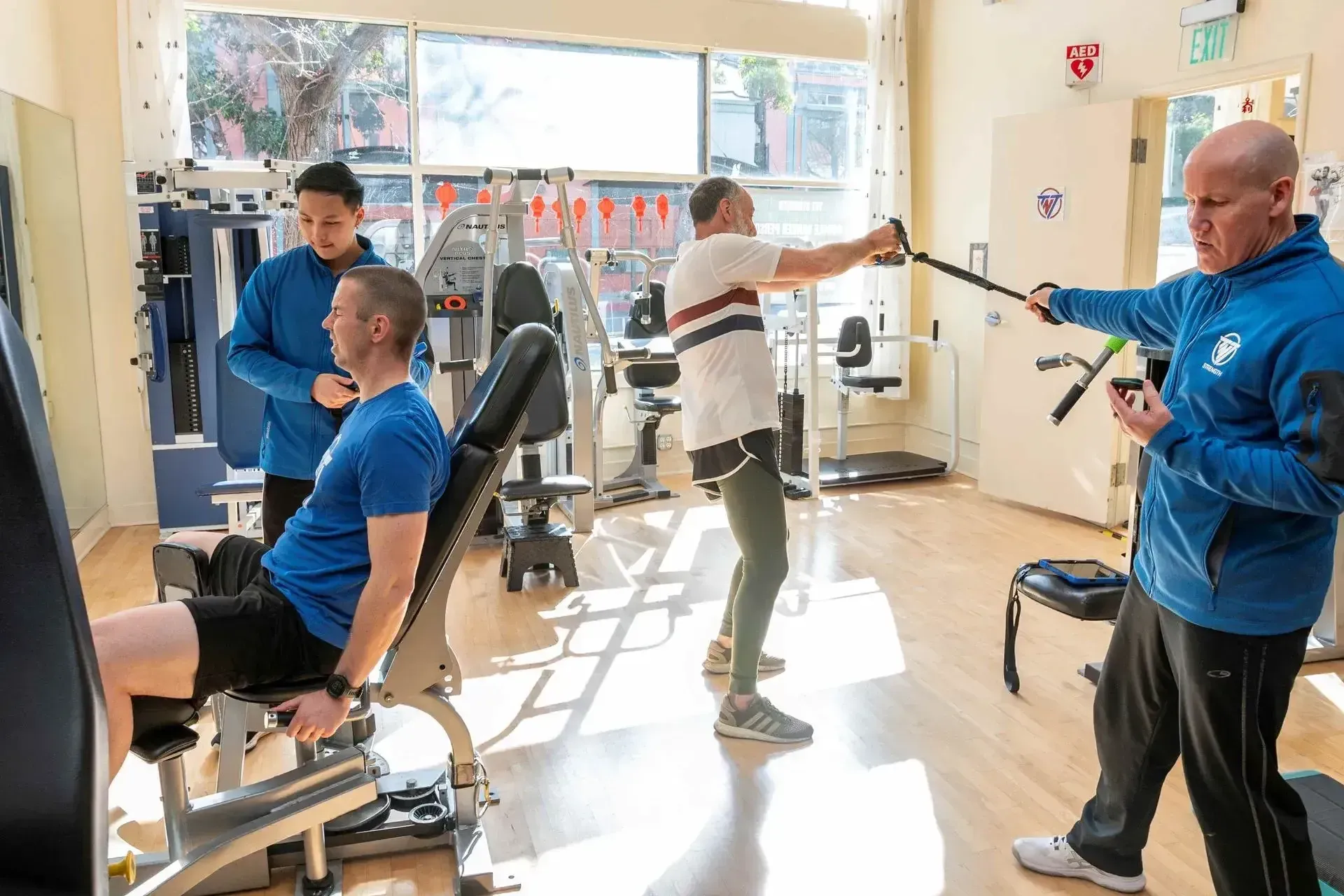
At TNT Strength in North Berkeley and Rockridge , we train clients from Oakland, Piedmont, Berkeley, and across the East Bay who want endurance that improves daily life — climbing stairs, walking hills, playing sports, and staying independent as they age — not just surviving a workout.
What the Science Actually Shows
Yes, high-rep, low-load training can improve local muscular endurance. That part is true.
What's missing from the conversation is this:
Resistance training across a wide range of loads improves muscular endurance.
Research consistently shows that:
- Low-load, high-rep training improves endurance
- Moderate-load training improves endurance
- Heavy strength training also improves endurance
The adaptations overlap. The old "rep range rules" are not laws — they're guidelines.
Why Strength Training Improves Endurance
This is where most people get it wrong.
1. Strength Reduces Relative Effort
If you increase your maximum strength, every submaximal task becomes easier.
Carrying groceries up a flight of stairs in North Oakland , walking the hills of Piedmont , or moving furniture in Berkeley all require a smaller percentage of your strength once you're stronger. That means less fatigue and more endurance — without marathon rep counts.
2. Improved Neural Efficiency
Strength training improves how your nervous system recruits and coordinates muscle fibers. Better coordination means work is distributed more efficiently, delaying fatigue during repeated efforts.
3. Structural & Metabolic Benefits
Well-designed resistance training can:
- Increase capillary density per muscle fiber
- Improve local metabolic efficiency
- Enhance fatigue resistance
None of these adaptations require 50-rep sets.
The Problem With Ultra-High Rep Training
Ultra-high-rep training isn't automatically wrong — but it's often:
- Inefficient
- Poorly controlled
- Difficult to progress
- More fatiguing than productive
At TNT Strength , we don't chase soreness, sweat, or suffering. We chase results that last.
Hard is easy.
Effective takes intention.
What Smart Endurance Training Looks Like at TNT Strength
Instead of obsessing over rep counts, we focus on:
- Progressive overload
- Multiple rep ranges
- Appropriate rest intervals
- Individualized programming
A Simple, Effective Example:
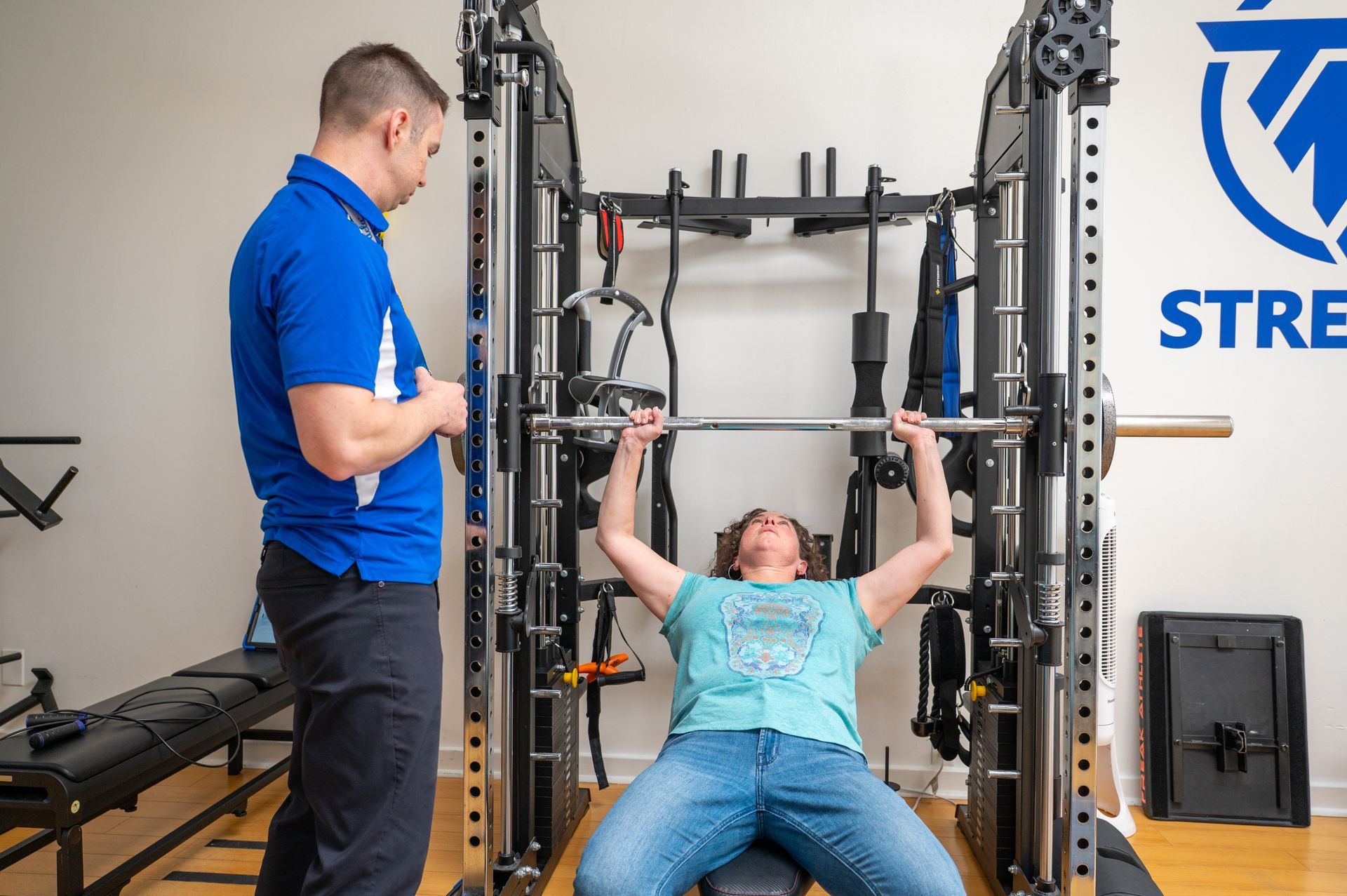
- Heavy compound movement: 3–6 reps
- Moderate accessory work: 8–15 reps
- Short-rest metabolic work: 15–30 reps or timed sets
This approach builds:
- ✔ Strength
- ✔ Muscle
- ✔ Real-world muscular endurance
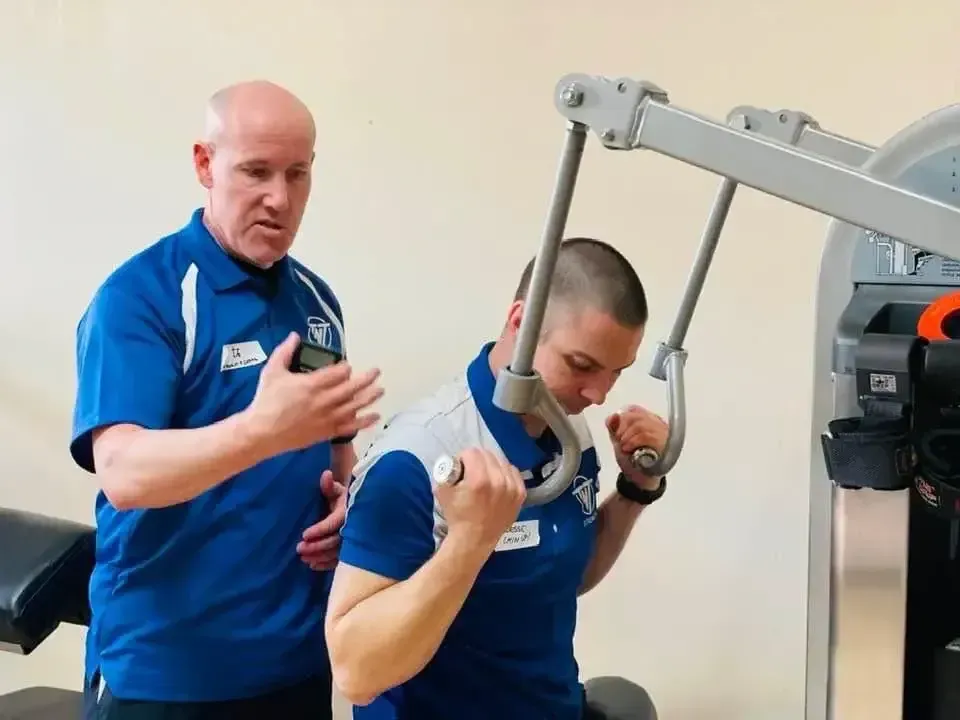
That's how we train busy professionals, active adults, and older clients at our Oakland personal training studio — safely and efficiently.
Strength & Endurance for Berkeley and Oakland's East Bay Community
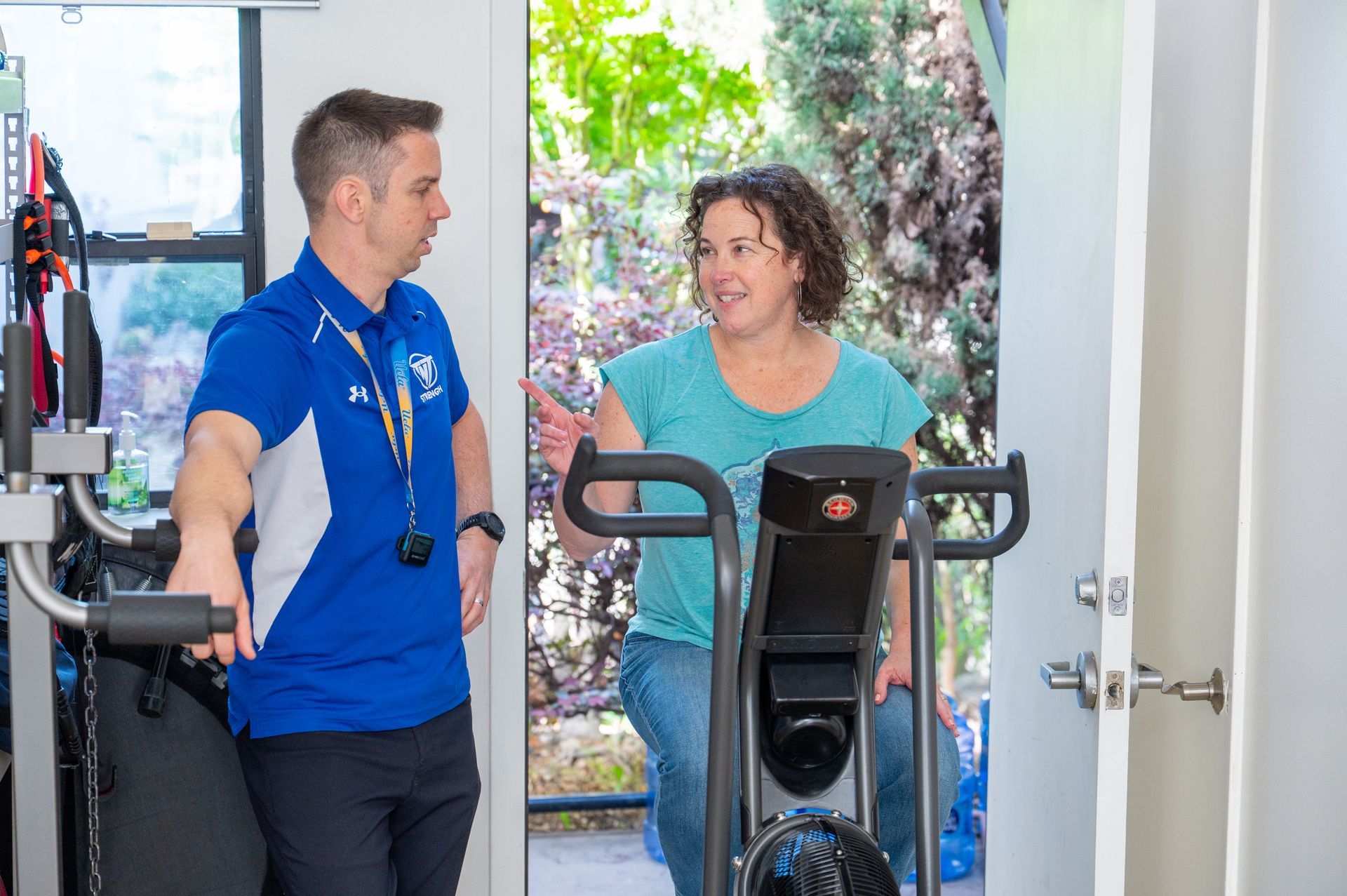
At TNT Strength in North Berkely and Rockridge , we serve clients from Oakland, Piedmont, Berkeley, and the greater East Bay who are tired of gimmicks and want evidence-based coaching.
Our clients come to us looking for:
- Strength training in a safe environment
- Personal training in targeted and specific
- Safe strength training for adults 40+
- Science-based fitness coaching in Oakland, Piedmont and North Berkeley
They stay because they get stronger, move better, and build endurance that carries into real life — not just the gym.
Bottom Line
Ultra-high reps are a tool , not a requirement.
If you want muscular endurance that actually matters:
- Get stronger
- Train across multiple rep ranges
- Progress intelligently
- Stop confusing suffering with effectiveness
Strength doesn't kill endurance.
It enhances it.
That's not a trend.
That's the truth.
— Liam "TAKU" Bauer
Frequently Asked Questions (FAQ)
Do high reps improve muscular endurance?
Yes. High-rep, low-load training can improve local muscular endurance, especially for specific tasks that require prolonged, low-force output.
Is strength training enough to improve endurance?
Strength training improves endurance significantly, but the best results come from combining strength work with moderate and higher-rep sets based on individual goals.
Should endurance athletes lift heavy weights?
Yes. Strength training improves movement economy, fatigue resistance, and injury resilience in endurance athletes.
Are 50+ rep sets ever useful?
They can be useful if your sport or goal specifically demands them — but they're not necessary for general fitness, health, or longevity.
What rep ranges does TNT Strength use?
We use multiple rep ranges, individualized to each client's needs, goals, and training history — always grounded in evidence, not trends.
Scientific References
- American College of Sports Medicine. Progression Models in Resistance Training for Healthy Adults.
- Schoenfeld, B.J. (2016). Science and Development of Muscle Hypertrophy.
- Schoenfeld, B.J., et al. (2017). "Strength and hypertrophy adaptations between low- vs. high-load resistance training." Journal of Strength and Conditioning Research.
- Campos, G.E.R., et al. (2002). "Muscular adaptations in response to three different resistance-training regimens." European Journal of Applied Physiology.
- Rhea, M.R., et al. (2003). "A meta-analysis to determine the dose response for strength development." Research Quarterly for Exercise and Sport.
Experience the TNT Strength difference with a free workout.
START YOUR FITNESS TRANSFORMATION WITH A
FREE WORKOUT
Complete the form and we'll set up an appointment for you.
Recent Articles