Know Your Numbers: Why Blood Pressure Matters
Estimated Reading Time: 4 minutes
TL;DR
High blood pressure can quietly increase your risk of heart attack, stroke, and other serious health problems without producing obvious symptoms. Know your numbers, measure them correctly, and pay attention to trends over time. Regular physical activity, strength training, appropriate nutrition, healthy body composition, and adequate recovery can all contribute to better health. And when lifestyle changes aren't enough, medication may be necessary. Don't guess. Get measured, get informed, and work with your healthcare provider.
Every time you visit your doctor, someone probably wraps a cuff around your arm and gives you two numbers: your blood pressure.
The measurement takes only a minute or two, yet it provides valuable information about your cardiovascular health.
Here's the problem: high blood pressure, also called hypertension, often has no obvious symptoms. You can feel fine, look fit, and train consistently while your blood pressure is higher than it should be. Left uncontrolled, hypertension increases your risk of heart attack, stroke, heart failure, kidney disease, and other serious complications. [1, 2]
That's why high blood pressure is often called the silent killer. You can't reliably determine your blood pressure by how you feel.
What Do the Numbers Mean?
A blood pressure reading of 120/80 mm Hg , for example, contains two measurements.
- Systolic pressure (top number): The pressure in your arteries when your heart contracts and pumps blood.
- Diastolic pressure (bottom number): The pressure in your arteries between heartbeats, when your heart relaxes.
According to current U.S. guidelines, adult blood pressure is generally classified as follows: [1]
| Category | Systolic (top) | Diastolic (bottom) |
|---|---|---|
| Normal | Below 120 | Below 80 |
| Elevated | 120–129 | Below 80 |
| Stage 1 hypertension | 130–139 | 80–89 |
| Stage 2 hypertension | 140 or higher | 90 or higher |
These categories use either number when determining the applicable category. For example, a systolic reading of 135 or a diastolic reading of 85 falls within Stage 1 hypertension, even if the other number is normal.
One reading, however, doesn't necessarily establish a diagnosis. Blood pressure can temporarily change because of recent exercise, caffeine, stress, pain, or the anxiety some people experience in a medical office. Diagnosis generally relies on repeated, properly taken measurements and an assessment by a qualified healthcare professional.
The goal isn't to worry about one number. It's to understand what your numbers are telling you.
How to Get a More Accurate Reading
If you measure your blood pressure at home, technique matters.
- Avoid exercise, caffeine, and smoking for at least 30 minutes beforehand.
- Empty your bladder and sit quietly for five minutes.
- Sit with your back supported, feet flat on the floor, and legs uncrossed.
- Support your bare arm at heart level.
- Use a properly sized cuff and a validated automatic upper-arm monitor.
- Take two readings about one minute apart and record the results.
Measure consistently and share your readings with your healthcare provider. Home monitoring can help reveal patterns that a single appointment might miss. [2, 3]
What Can You Do to Improve Your Numbers?
The good news is that many of the habits that support strength, fitness, and long-term independence can also help manage blood pressure.
Move regularly.
Walking, cycling, swimming, and other forms of aerobic activity support cardiovascular health. Consistency matters more than finding the perfect workout.
Get stronger.
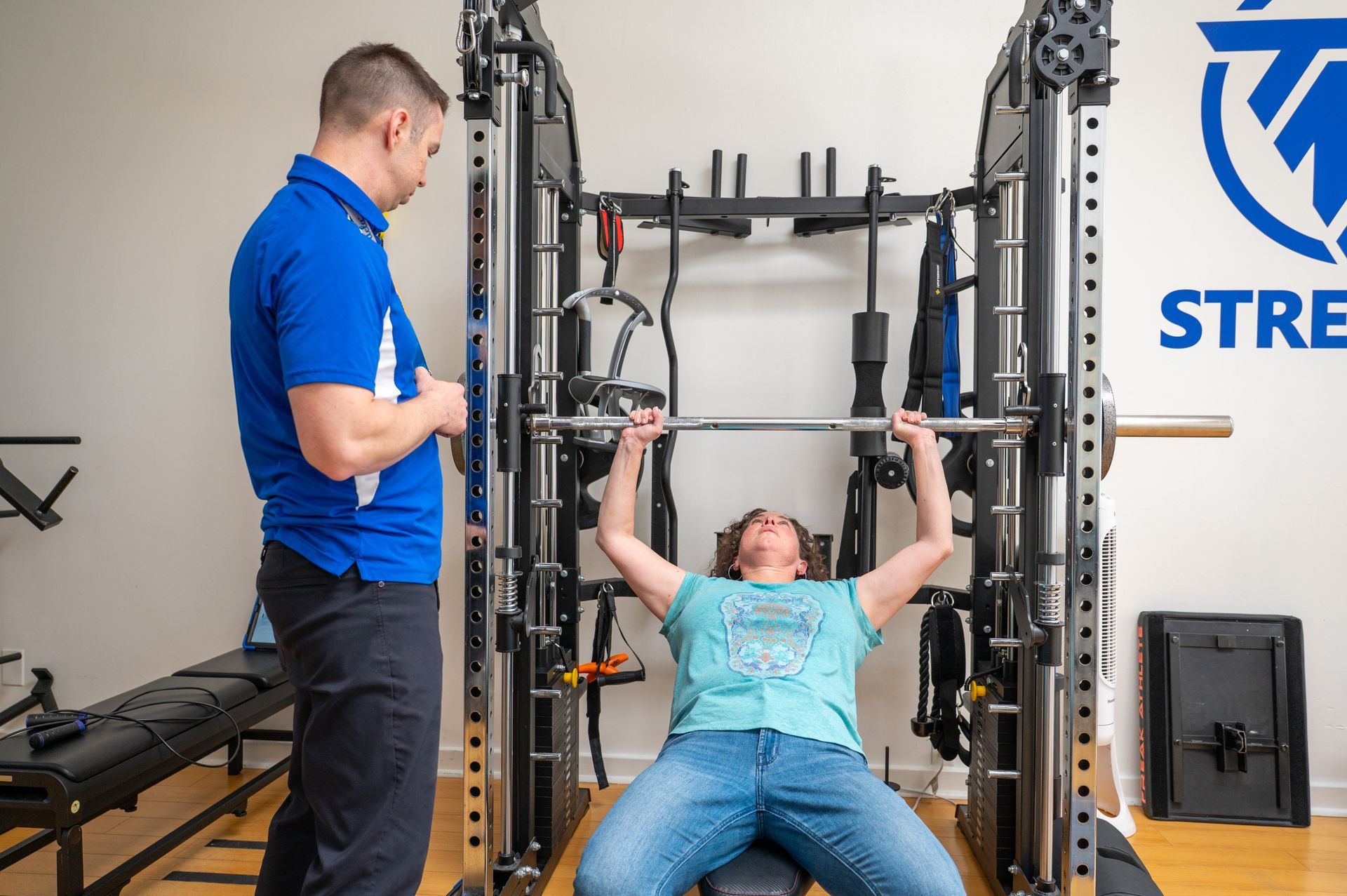
Resistance training belongs in a well-rounded fitness program. Properly prescribed strength training can complement aerobic exercise and support physical capacity as you age. If you have uncontrolled hypertension or other cardiovascular concerns, discuss appropriate training intensity and precautions with your healthcare provider.
Manage body weight.
If you're carrying excess body fat, losing a sustainable amount of weight may help lower blood pressure. Focus on measurable progress rather than chasing a particular look.
Improve your nutrition.
Emphasize vegetables, fruits, minimally processed foods, appropriate protein intake, and other nutrient-rich choices. Pay attention to sodium, particularly if your intake is high. A heart-healthy eating pattern, such as the DASH diet, can be useful.
Prioritize sleep and recovery.
Poor sleep, chronic stress, and conditions such as sleep apnea can complicate blood pressure management. Make adequate sleep and recovery part of the plan, not an afterthought.
Follow medical advice.
Lifestyle changes are important, but they aren't always sufficient. Depending on your readings, cardiovascular risk, and medical history, your healthcare provider may recommend medication as well. Never start, change, or discontinue prescribed medication on your own. [1, 2]
Don't Wait Until You Feel Something
After more than three decades in strength and conditioning, I've learned that meaningful improvements rarely come from one dramatic intervention. They're usually the cumulative result of relatively small, sensible decisions repeated consistently over time.
Strength training is one piece of the bigger picture. So are nutrition, physical activity, sleep, and paying attention to your health before a problem becomes impossible to ignore.
Blood pressure is one of those numbers worth knowing. If you haven't had yours checked recently, make an appointment or ask your healthcare provider about monitoring it at home.
And if your readings are consistently elevated, don't ignore them simply because you feel fine.
Know your numbers. Understand what they mean. Take action when necessary.
At TNT Strength, we believe physical strength is an important part of living a capable, independent life. But being strong also means taking responsibility for the things that support your long-term health.
Everything Becomes Easier The Stronger You Are.
F.A.Q.
Q: What is considered high blood pressure?
A: Under current U.S. guidelines, Stage 1 hypertension begins at a systolic reading of 130–139 mm Hg or a diastolic reading of 80–89 mm Hg. Stage 2 begins at 140 systolic or 90 diastolic. Diagnosis requires appropriate assessment, not simply labeling yourself based on one reading. [1]
Q: Can exercise lower blood pressure?
A: Yes. Regular aerobic activity and appropriately prescribed resistance training can help support blood pressure management. The right program depends on your health, current blood pressure, medications, and fitness level.
Q: Can losing weight improve blood pressure?
A: For people carrying excess body fat, sustainable weight loss can help lower blood pressure. The extent of improvement varies, and weight loss is not a substitute for medical care when treatment is needed.
Q: Should I stop taking medication if my blood pressure improves?
A: No. Do not stop or adjust prescribed medication without consulting your healthcare provider. Improved readings may reflect the effectiveness of your current treatment.
Q: When should I seek urgent medical attention?
A: If your blood pressure is higher than 180 systolic and/or 120 diastolic, wait at least one minute and measure it again. If it remains that high, contact a healthcare professional immediately. If you also experience chest pain, shortness of breath, weakness, numbness, vision changes, back pain, or difficulty speaking, call 911. Do not wait for the pressure to come down on its own. [2]
Q: Where can I get help becoming stronger and healthier in Oakland or Berkeley?
A: TNT Strength provides individualized, one-on-one personal training at our Rockridge/Oakland and North Berkeley studios. Our focus is on building strength, improving physical capacity, and developing sustainable habits—not chasing fitness trends.
Local Strength & Health in Oakland and Berkeley
If you're looking for personal training in Oakland, personal training in Rockridge, or personal training in North Berkeley , TNT Strength offers one-on-one training built around your individual goals and abilities.
Our Rockridge/Oakland studio serves clients from Rockridge, Piedmont, Temescal, and surrounding East Bay neighborhoods.
Our North Berkeley studio, on Shattuck Avenue, serves clients from North Berkeley, the Berkeley Hills, Elmwood, Kensington, Albany, and nearby communities.
Whether your goal is getting stronger, improving body composition, maintaining physical capacity, or remaining independent as you age, the fundamentals remain remarkably consistent:
Move. Get stronger. Eat well. Recover. Stay consistent.
TNT Strength — Everything Becomes Easier The Stronger You Are.
References:
- American Heart Association and American College of Cardiology. 2025 Guideline for the Prevention, Detection, Evaluation, and Management of High Blood Pressure in Adults. Published August 2025. Guideline summary and recommendations.
- American Heart Association. How to Manage High Blood Pressure. Lifestyle recommendations and blood pressure guidance.
- American Heart Association. Home Blood Pressure Monitoring. Measurement instructions and monitoring guidance.
TAKU's Note: Liam "TAKU" Bauer is President and co-owner of TNT Strength in Oakland and North Berkeley. He has worked in strength and conditioning since 1988. He is not a physician. This article is for general educational purposes only and is not intended to provide medical advice, diagnosis, or treatment. Consult your physician or another qualified healthcare professional about your individual health.
Experience the TNT Strength difference with a free workout.
START YOUR FITNESS TRANSFORMATION WITH A
FREE WORKOUT
Complete the form and we'll set up an appointment for you.
Recent Articles