Fast Reps, Slow Results: The Truth About Fast-Twitch Muscle Recruitment
Estimated Reading Time: ~4 minutes
TL;DR
Moving fast doesn't automatically mean you're recruiting fast-twitch (Type II) muscle fibers. Fast-twitch fibers are recruited based on force, fatigue, and the central nervous system's motor unit recruitment order (Henneman's Size Principle).
To reliably get fast-twitch fiber recruitment: use heavy loads, train to or very near failure, apply explosive intent (even if the movement is slow), or do very intense isometrics.
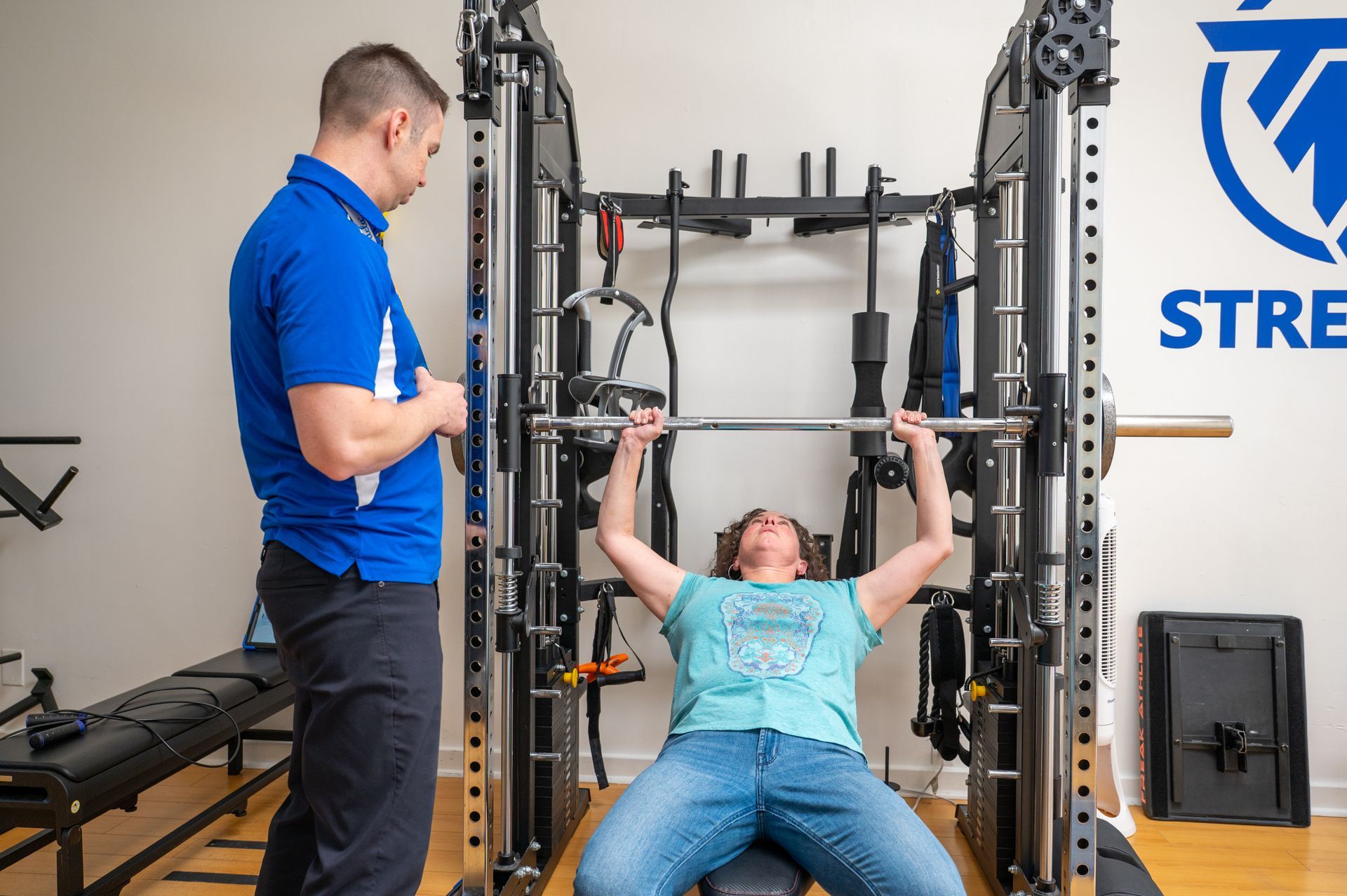
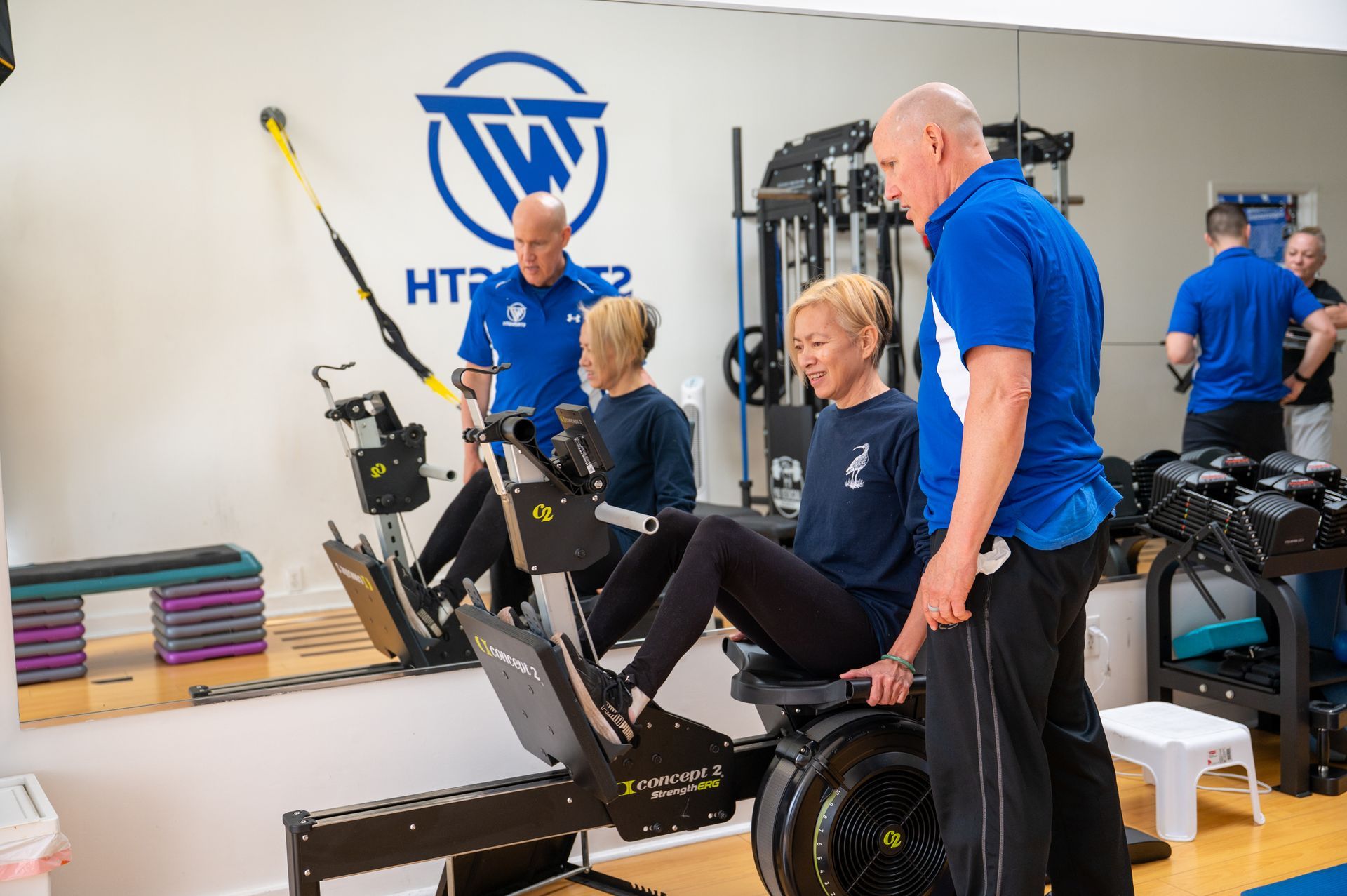
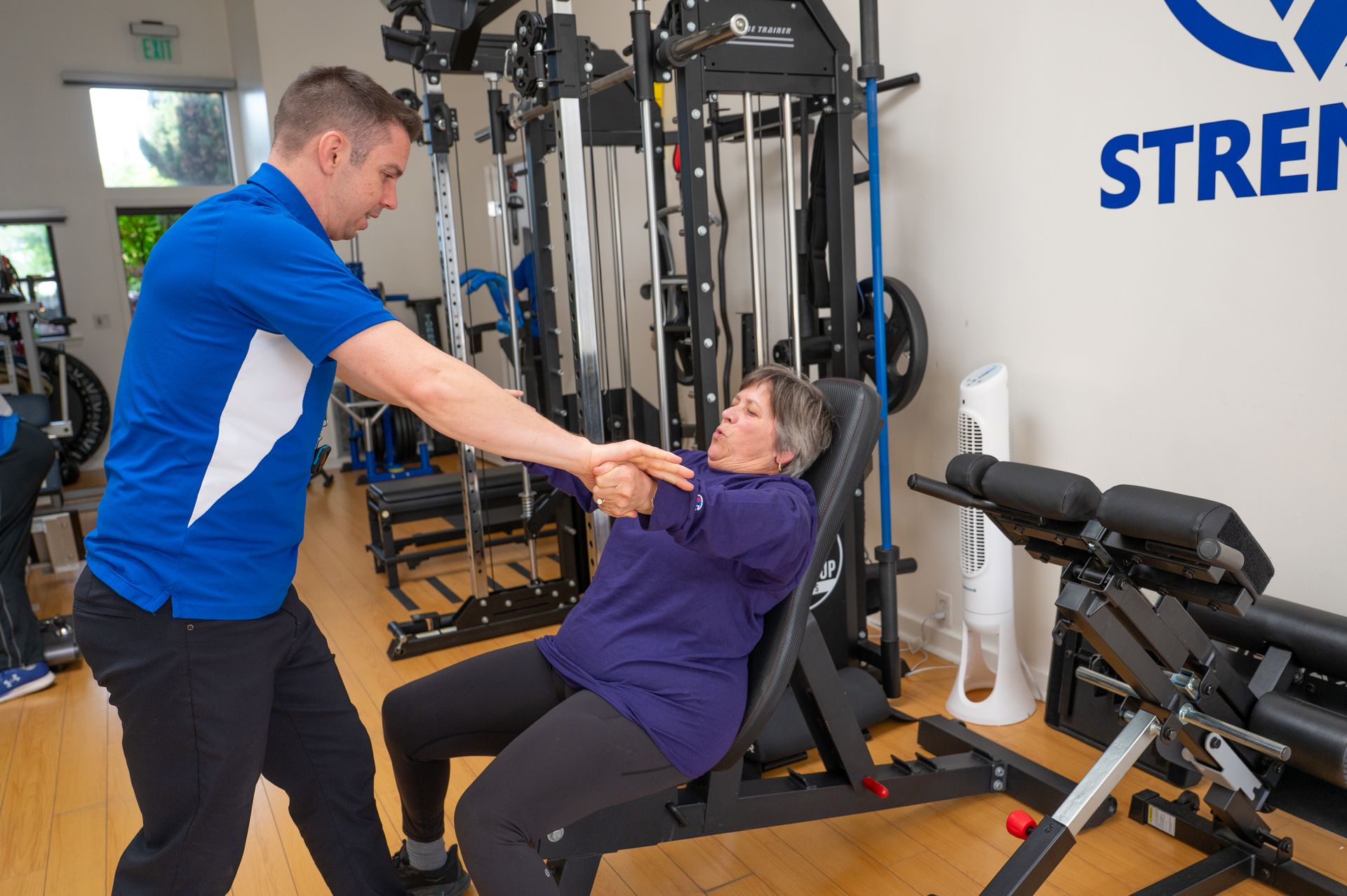
In High-Intensity Strength Training (HIT) or Nautilus-style training, controlled, high-effort, no-momentum rep schemes are already optimal for recruiting fast-twitch fibers — safely and effectively.
Why "As Fast As Possible" Doesn't Guarantee Fast-Twitch Fiber Recruitment
A common misunderstanding in strength training is that moving weight as fast as possible equals fast-twitch fiber recruitment. That's not always true — there's important nuance.
What Actually Determines Fast-Twitch Recruitment
Fast-twitch (Type II) fibers don't just turn on at high speed. Their recruitment depends on:
Force Requirement — How much force the muscle needs to generate.
Fatigue Level — As lower-threshold (slow-twitch) fibers fatigue, the body calls in higher-threshold (fast-twitch) units.
Motor Unit Recruitment Order — Known as Henneman's Size Principle, which states that motor units are recruited from small to large (i.e., slow-twitch first, fast-twitch later).
In short: even if you're moving quickly, if the force demand is low, you may mostly be using slow-twitch or intermediate fibers.
Why Speed Alone Isn't Enough
Here are some examples of "fast" movements that don't necessarily recruit fast-twitch fibers:
Speed reps with very light dumbbells or resistance bands. Medicine-ball throws when the resistance is minimal. High-speed, low-resistance bodyweight movements.
In these cases, despite high velocity, the force requirement is low, so the nervous system doesn't need to tap into high-threshold (fast-twitch) units.
Also worth emphasizing: external speed ≠ internal force. If you move a light load fast, your muscles don't need to generate a ton of tension. Conversely, when you try to move a heavy load explosively, the motion may actually end up being slower — but your muscles are working very hard, generating high internal force, which is what triggers fast-twitch recruitment.
What Does Reliably Recruit Fast-Twitch Fibers
Here's what science (and HIT principles) tell us actually works:
Heavy Loads — Typically ≥ 80–85% of your maximum (1RM) is effective for recruiting high-threshold motor units.
Training to Momentary Muscular Failure — When slow-twitch fibers tire out, your body has to bring in fast-twitch fibers to maintain force.
High-Force Explosive Intent — Even if the movement ends up slow (because the weight is heavy), intending to move it explosively helps drive recruitment of fast fibers.
Maximal Isometrics — Holding a maximal voluntary contraction recruits fast-twitch fibers through high force, even without movement speed.
How This Fits Into TNT Style Training
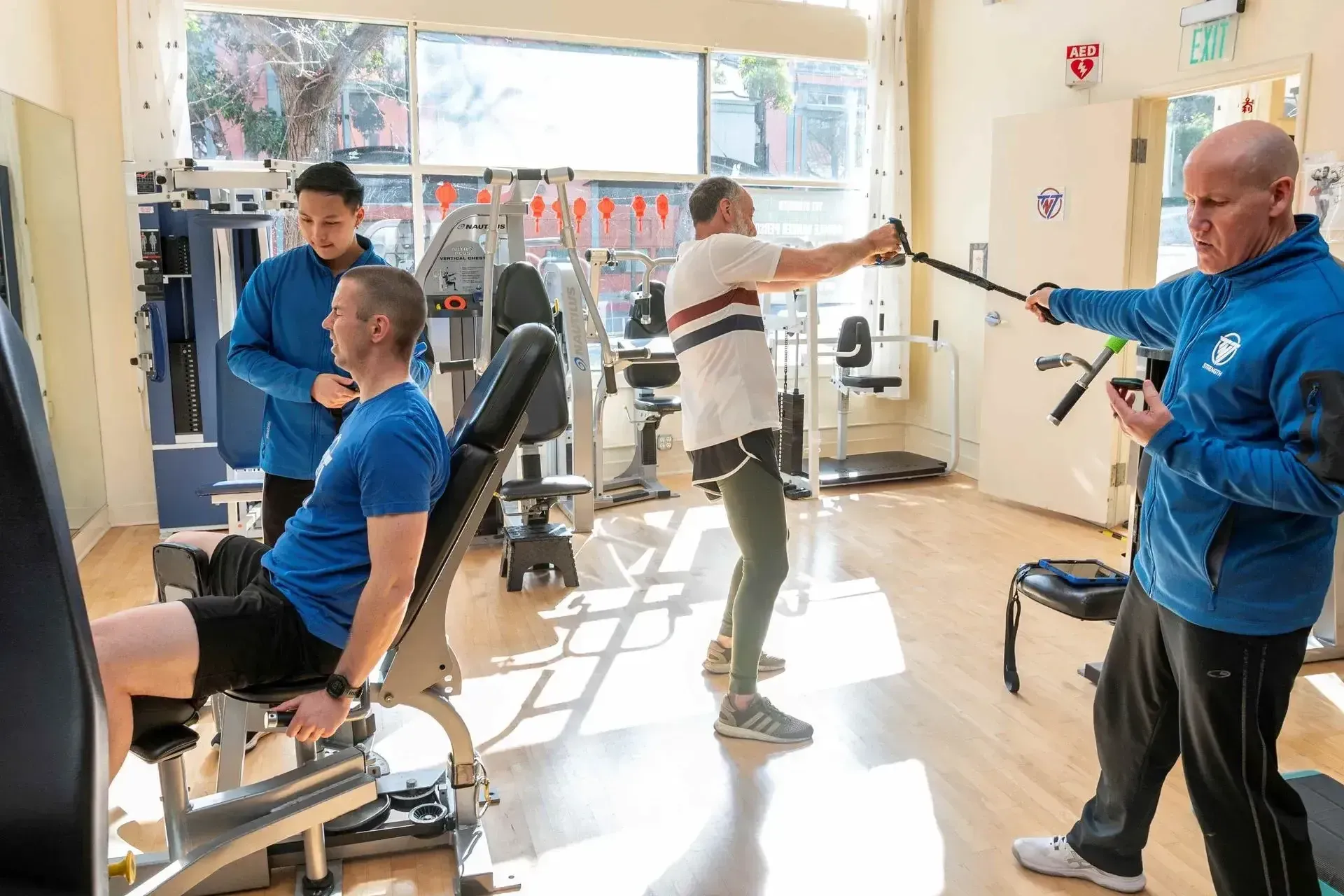
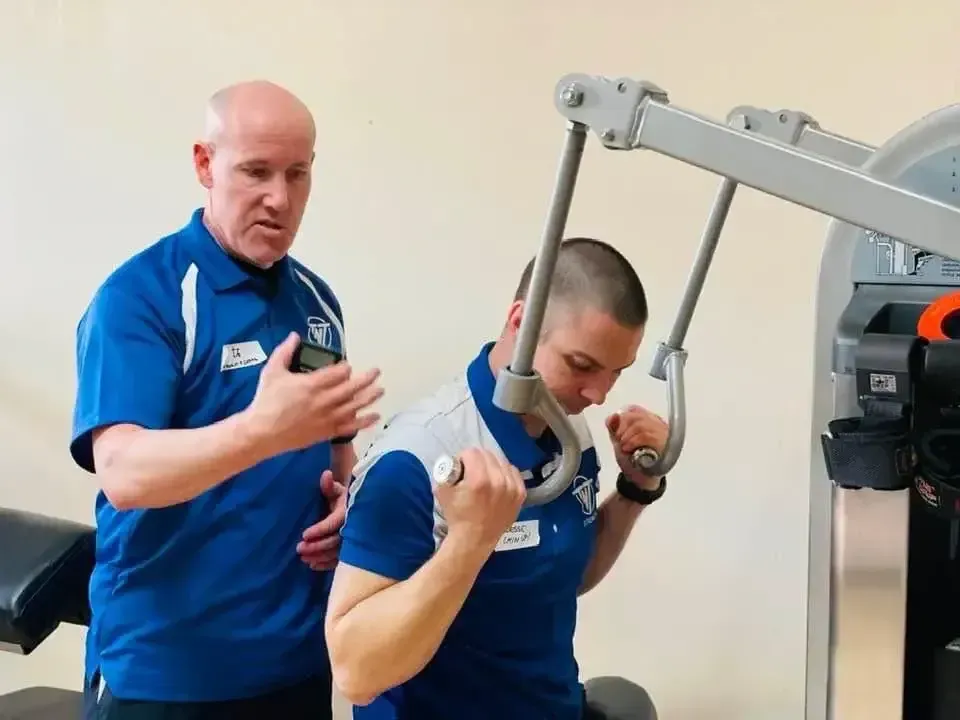
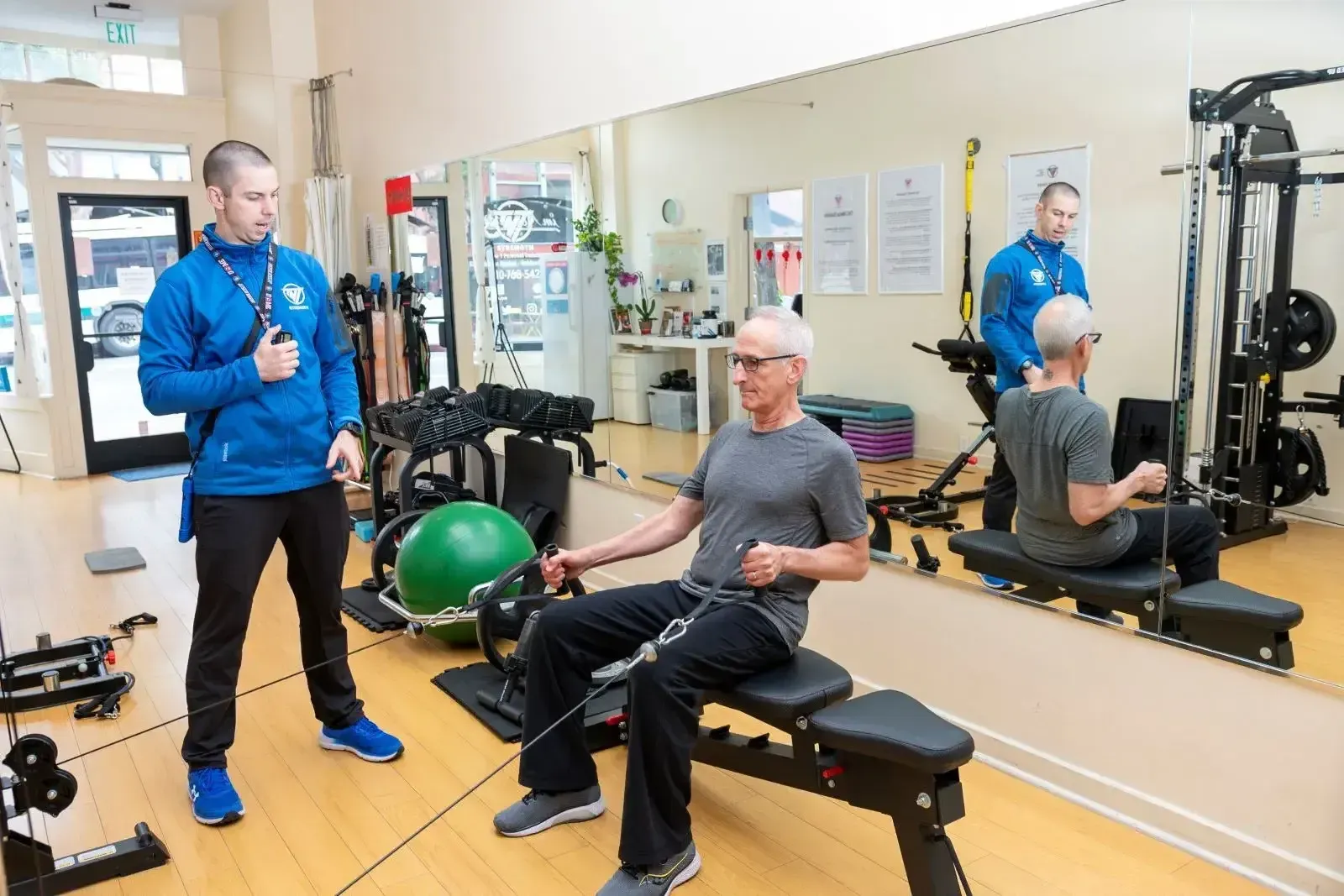
If you follow a High-Intensity Strength Training (HIT) approach — slow, controlled movement, continuous tension, no momentum, pushing to failure — you're already doing what's needed to recruit fast-twitch fibers optimally and safely.
Legends like Arthur Jones, Ellington Darden, Ken Hutchins, Mike Mentzer, and Brian Johnston all emphasized that controlled movement + maximal effort is more effective (and safer) than trying to rely on explosive ballistic forces.
So: you don't need to throw weights around or do plyos with every workout to hit fast-twitch fibers — you just need high effort + high force.
TAKU's NOTE
Fast movement alone does not guarantee fast-twitch fiber recruitment.
What matters most is how much force your muscles are generating, how fatigued they are, and how your nervous system recruits motor units.
You can recruit fast-twitch fibers slowly, safely, and under control.
Controlled, high-effort strength training (like HIT) is already one of the most effective ways to engage those high-threshold fibers.
FAQ
Q: If I lift a very light weight very fast, am I wasting my time?
Not necessarily — it's not inherently "wasteful." But if your goal is to recruit a lot of fast-twitch fibers (for strength or hypertrophy), light, fast reps alone probably won't do it. The internal force is too low to demand high-threshold recruitment.
Q: Do I have to lift super heavy (≥ 80% 1RM) to recruit fast-twitch fibers?
No — heavy loads are one way, but training to failure (even with moderate weights) can also force your body to recruit fast-twitch units as your slow ones fatigue.
Q: What about explosive exercises (like Olympic lifts or plyometrics)?
Those can recruit fast-twitch fibers, especially when force demand is high. But just moving "fast" without sufficient force or resistance may not hit fast-twitch recruitment as effectively as many people assume.
Q: Is HIT-style training (slow, controlled, to failure) better for fast-twitch recruitment than ballistic training?
For many people, yes — because HIT maximizes internal tension and forces fatigue, which reliably recruits high-threshold motor units. And you avoid injury risk from high-speed ballistic loading.
Scientific References
Motor unit recruitment follows an orderly size principle: small (Type I) → larger (Type II) as force demands rise.
In resistance training, the size principle governs which fibers are activated depending on load and force.
Training to failure causes progressive recruitment of high-threshold motor units.
Muscle fiber recruitment is dictated by force and fatigue, not just speed.
Experience the TNT Strength difference with a free workout.
START YOUR FITNESS TRANSFORMATION WITH A
FREE WORKOUT
Complete the form and we'll set up an appointment for you.
Recent Articles