Strength First: Why Getting Strong Solves Almost Everything

Estimated Read Time: 7 minutes
TL;DR
If your goal is fat loss, muscle gain, better balance, improved mobility, athletic performance, or simply aging well , the smartest strategy is surprisingly simple: train for strength first .
Strength training drives improvements in muscle mass, body composition, metabolic health, balance, and physical function . When you prioritize getting stronger, many of the outcomes people chase separately—fat loss, better posture, improved mobility, and a better-looking physique—often occur automatically as side effects of strength.
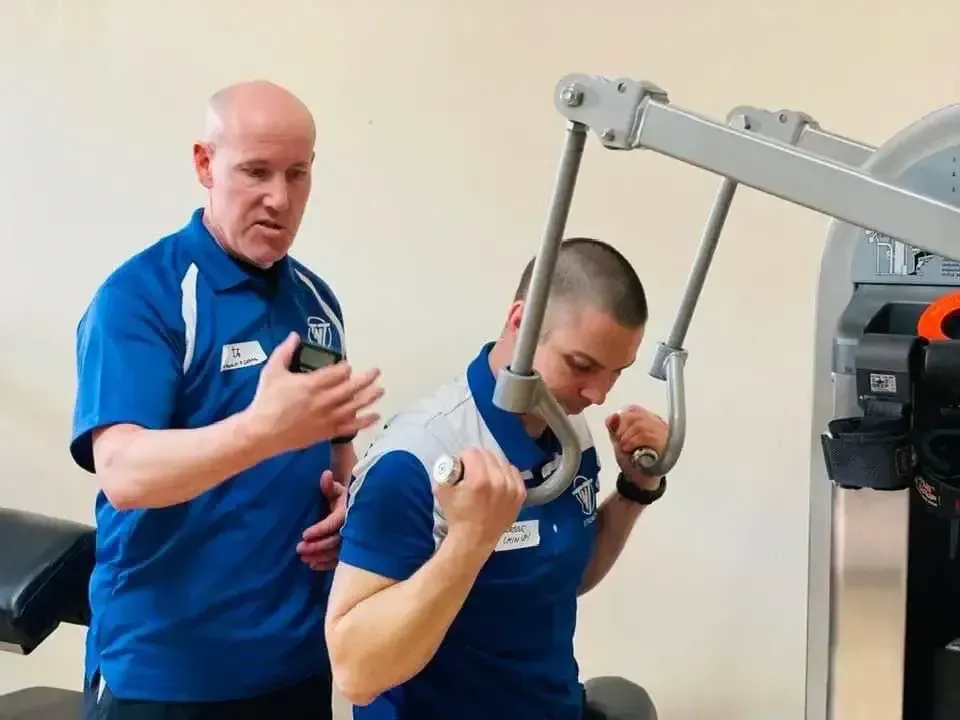
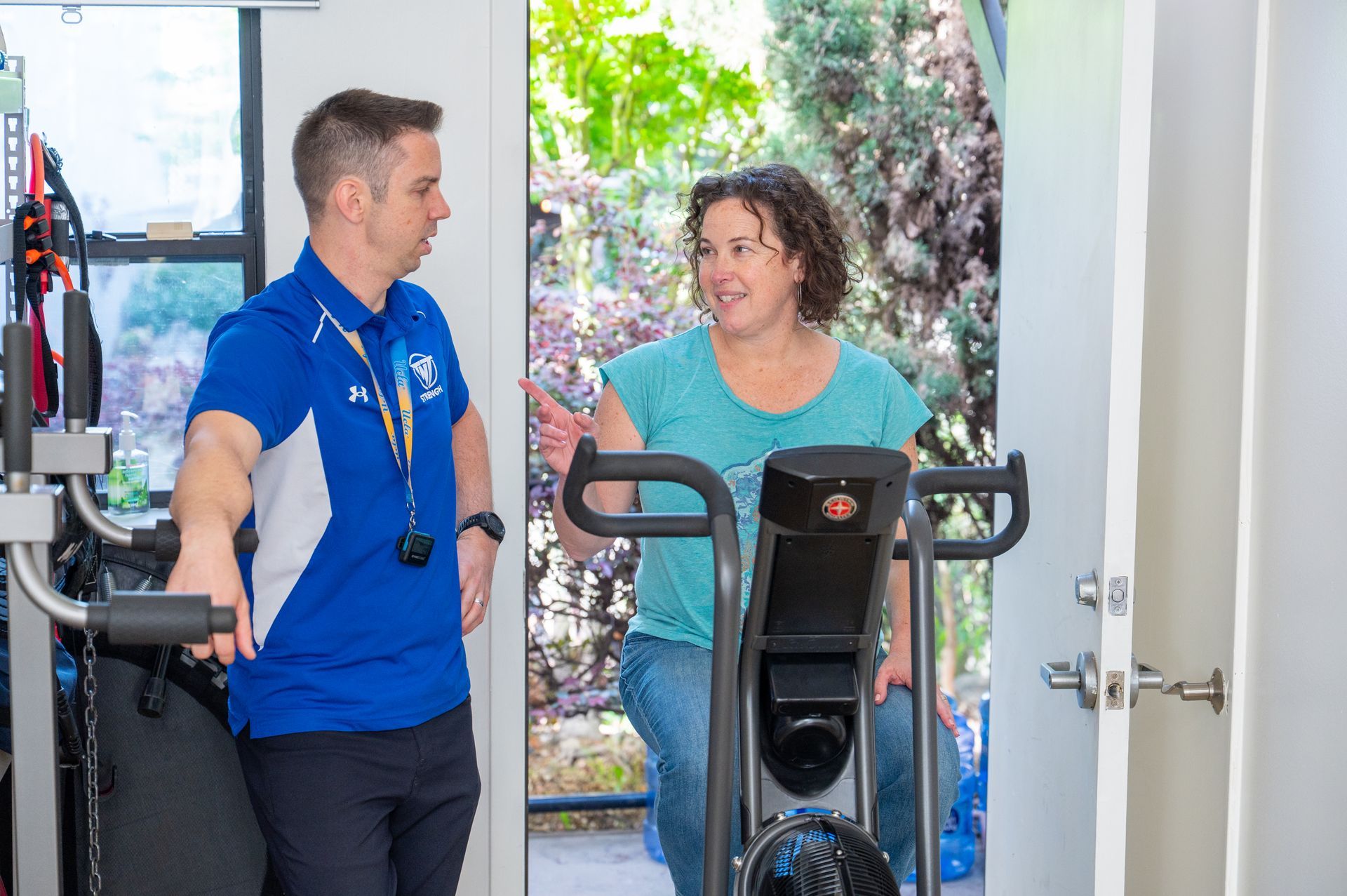
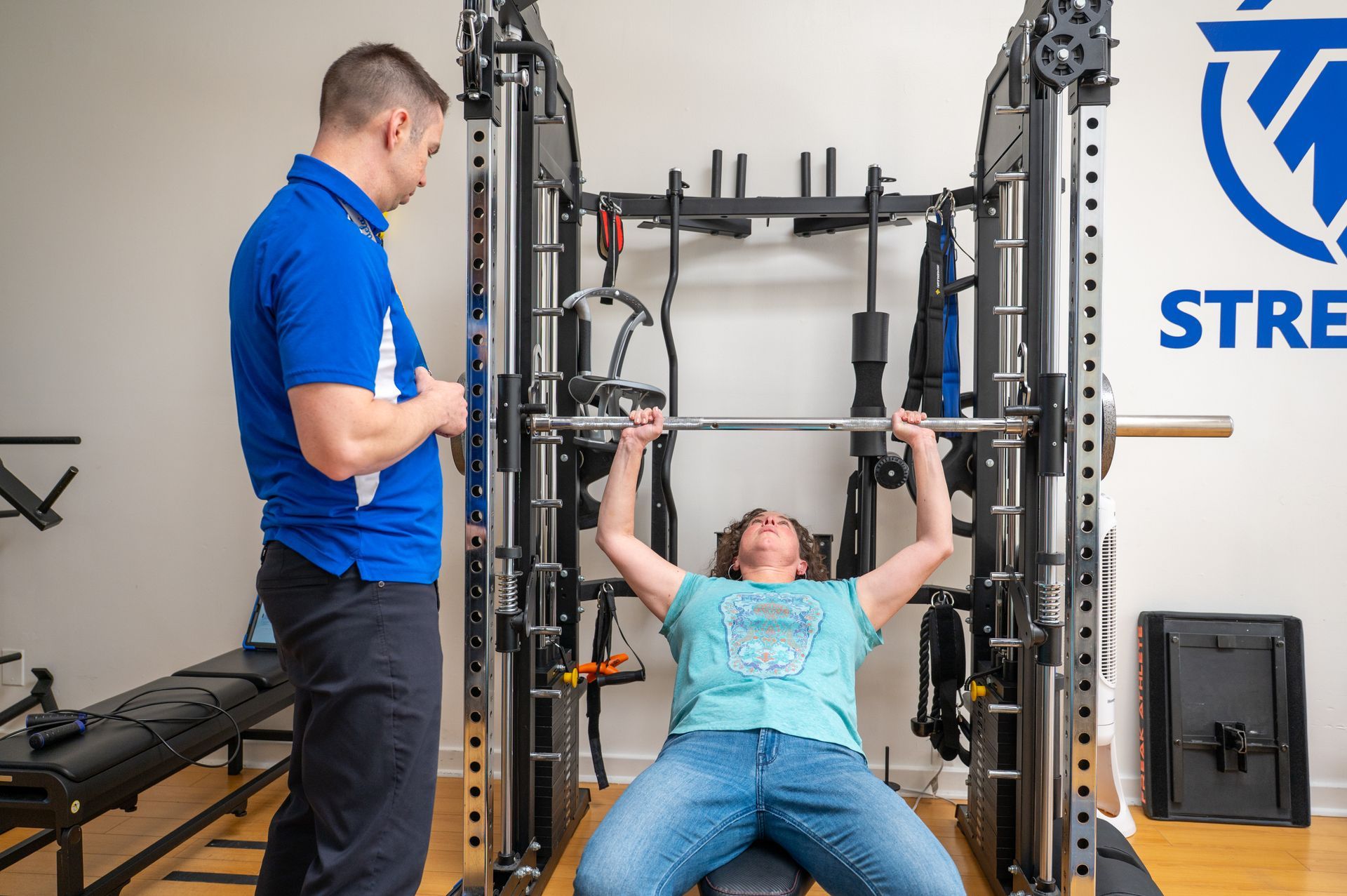
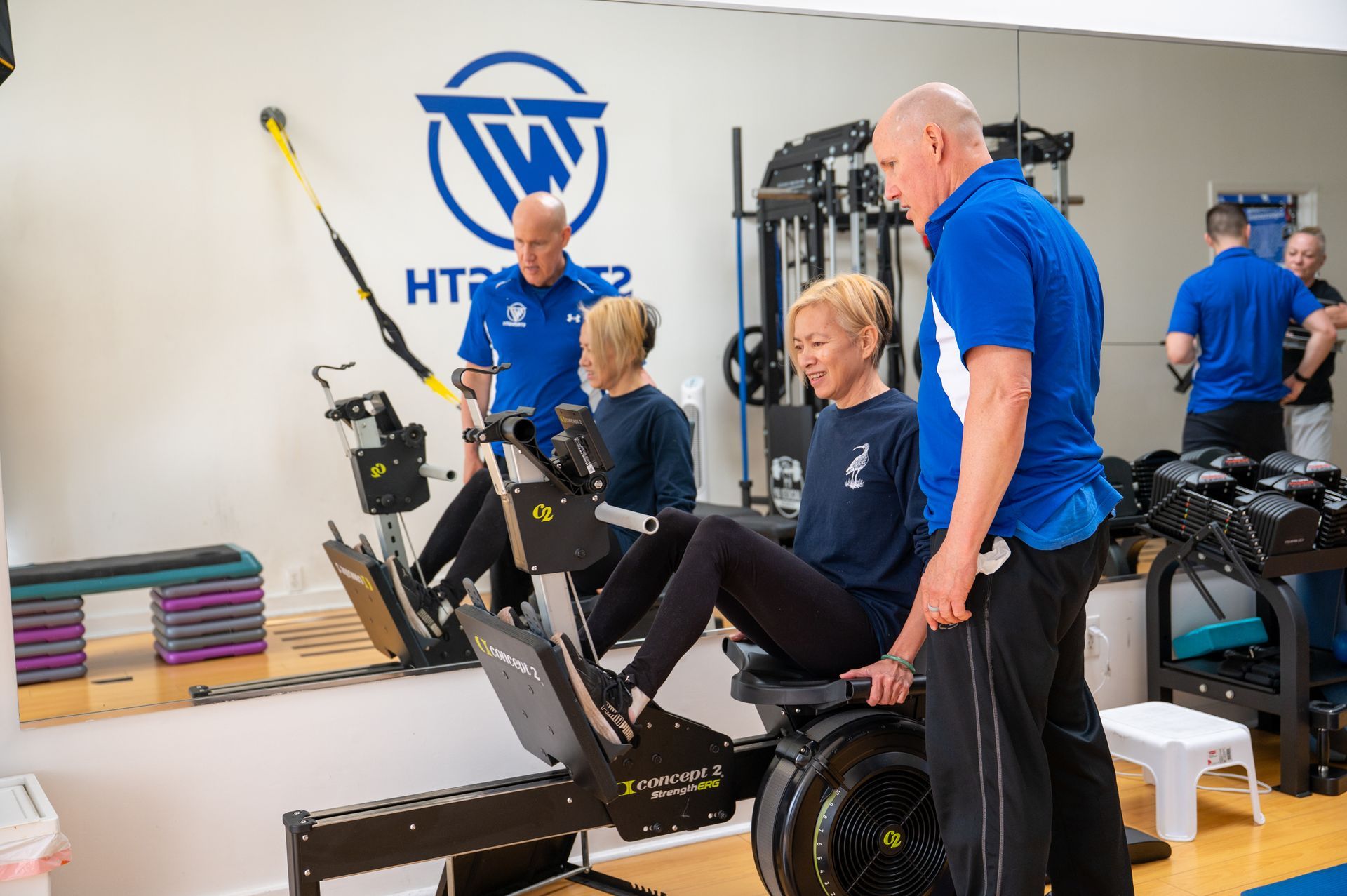
At TNT Strength in Oakland and North Berkeley , this is the foundation of everything we do.
The Biggest Mistake Most People Make With Exercise
Walk into almost any gym and you'll see people chasing outcomes instead of causes.
They want to:
- Lose fat
- Look better
- Improve mobility
- Increase athletic performance
- Feel healthier
So they jump from program to program trying to solve each problem separately.
More cardio for fat loss.
More stretching for mobility.
More balance drills for stability.
More circuits for conditioning.
But here's the truth:
Most of those outcomes improve automatically when strength improves.
Strength is the foundation of physical capability . When strength goes up, a lot of other things come along for the ride.
Strength Is the Master Adaptation
Your body adapts to the demands placed on it. When you progressively challenge your muscles with resistance training, your body responds by becoming stronger and more capable .
Those adaptations include:
- Increased muscle mass
- Improved neuromuscular coordination
- Greater bone density
- Enhanced metabolic function
- Improved joint stability
Research consistently shows that resistance training increases muscle strength and lean mass while reducing body fat and improving overall body composition .
In other words: Strength training doesn't just build muscle—it reshapes the entire body.
Fat Loss Happens More Easily
Many people think the best way to lose fat is endless cardio. But strength training changes the equation.
Resistance exercise helps:
- Preserve lean muscle during weight loss
- Increase fat loss
- Improve metabolic efficiency
Meta-analyses show that adding resistance training to weight-loss programs increases fat loss while protecting muscle mass .
That matters because muscle is metabolically active tissue. The more lean muscle you carry, the easier it is to maintain a healthy body composition.
At TNT Strength in Oakland , we often see clients lose fat without spending hours doing cardio —simply by getting stronger.
Strength Improves Balance and Mobility
Here's something many people don't realize: balance and mobility are often strength problems in disguise.
Weak muscles cannot stabilize joints properly. When you get stronger:
- Joints become more stable
- Movement becomes more controlled
- Balance improves naturally
Scientific reviews show that strength training significantly improves lower-body strength and postural balance , helping counteract functional decline and reduce injury risk.
In many cases, people don't need more stretching. They need stronger muscles controlling their joints.
Strength Makes You More Athletic
Athletic performance ultimately depends on one thing: Force production.
The ability to produce force—quickly and efficiently—is the basis of:
- Running speed
- Jump height
- Punching power
- Grappling strength
- Endurance efficiency
Resistance training improves both neuromuscular coordination and force production , increasing maximal strength and torque output.
That's why nearly every serious athletic program—from Olympic training centers to college sports programs—places strength development at the center of performance training .
Strength Training Is the Best Anti-Aging Tool We Have
After age 30, adults begin to lose muscle mass in a process called sarcopenia .
If nothing is done to stop it, this leads to:
- Reduced metabolism
- Weakness
- Loss of independence
- Increased injury risk
Strength training directly counteracts this decline. Research shows resistance training can:
- Increase lean muscle mass
- Improve physical function
- Reduce fat mass
- Improve cardiovascular markers
- Enhance overall functional independence in older adults
In simple terms: Strength training keeps you capable.
The TNT Strength Approach in Oakland and North Berkeley
At TNT Strength , we keep things simple. Instead of chasing dozens of fitness trends, we focus on one core objective:
Get stronger safely and progressively.
Our programs emphasize:
- High-effort strength training
- Efficient workouts
- Progressive overload
- Proper biomechanics
- Recovery between sessions
Because when strength improves consistently, we almost always see improvements in:
- Fat loss
- Muscle tone
- Mobility
- Balance
- Posture
- Bone density
- Athletic performance
- Long-term health
Strength isn't just another fitness goal. It's the foundation that supports all the others.
Frequently Asked Questions
Is strength training better than cardio?
Both have benefits, but strength training drives improvements in muscle mass, metabolism, and functional capacity . Cardio can complement strength training, but strength should often be the foundation.
Will strength training make me bulky?
For most people, no. Building large amounts of muscle requires years of specialized training and high calorie intake . Most people simply become leaner, stronger, and more defined.
How often should I strength train?
Research suggests 2–3 sessions per week of progressive resistance training is sufficient to produce meaningful strength and health improvements.
Can older adults safely strength train?
Yes. In fact, it may be one of the most important activities for healthy aging , improving muscle mass, balance, bone density, and independence.
Do I need long workouts to get strong?
Not necessarily. Studies show even short resistance training sessions can stimulate significant strength and muscle improvements when performed consistently and with sufficient effort.
References
1. Strength Training Improves Balance
Effects of Resistance Exercise on Balance Ability: Systematic Review and Meta-Analysis of Randomized Controlled Trials:
https://pmc.ncbi.nlm.nih.gov/articles/PMC7697352/
2. Strength Training Improves Bone Density
Low Load, High Repetition Resistance Training Program Increases Bone Mineral Density in Untrained Adults:
https://pubmed.ncbi.nlm.nih.gov/26364686/
3. Strength Training Improves Athletic Performance
The Effect of Strength Training Methods on Middle-Distance and Long-Distance Runners' Athletic Performance: A Systematic Review with Meta-analysis:
https://link.springer.com/article/10.1007/s40279-024-02018-z
4. Strength Training Improves Body Composition
Effect of Resistance Circuit Training on Comprehensive Health Indicators in Older Adults: A Systematic Review and Meta-Analysis:
https://www.nature.com/articles/s41598-024-59386-9
For informational and educational purposes only. It is not intended to replace professional medical advice, diagnosis, or treatment.
Experience the TNT Strength difference with a free workout.
START YOUR FITNESS TRANSFORMATION WITH A
FREE WORKOUT
Complete the form and we'll set up an appointment for you.
Recent Articles