The Truth About "Slow Reps" — And Why Most People Get This Wrong

Estimated Read Time: 6–7 minutes
TL;DR
- Mechanical tension drives strength and muscle growth
- Tension comes from effort and load, not slow movement
- The goal is intent to move explosively, not artificially slow reps
- If the rep is slow, it should be because it has to be, not because you made it that way
Oakland, Rockridge, and North Berkeley… Let's Have a Real Conversation
Walk into almost any gym—from Rockridge to North Berkeley—and you'll hear it:
"Explode!"
"Drive it!"
"Up fast!"
And then you see it.
Weights getting dropped instead of lowered.
Bodies bouncing at the bottom like a trampoline.
Momentum doing the work while the muscle just tags along for the ride.
It looks powerful. It feels athletic.
It's also missing the point entirely.
What Actually Builds Muscle (And Strength)
Let's bring this back to reality.
Muscle doesn't care how explosive it looks.
It doesn't care how fast you throw the weight.
It doesn't care about the theatrics, the noise, or the ego behind the rep.
Muscle responds to one thing—and one thing only:
Tension it can't escape.
Not momentum.
Not gravity doing half the work.
Not a rebound out of the bottom.
Controlled, continuous, inescapable tension—applied from start to finish of the set.
That's the stimulus.
Mechanical tension
That's the force produced inside the muscle when it's forced to contract against resistance.
And that tension is what triggers the biological cascade that leads to growth.
The Lie About "Slow Reps"
Here's where things go sideways.
Somewhere along the way, people started believing:
"If I move slower, I create more tension."
That's not how this works.
You don't create tension by moving slow.
You create tension by:
- Lifting something challenging
- And trying to move it with maximum effort
Intent vs Reality
This is the distinction that changes everything.
What you should be doing:
Trying to move the weight as forcefully as possible
What actually happens:
The weight moves slowly anyway
Why?
Because it's heavy.
The TAKU Standard
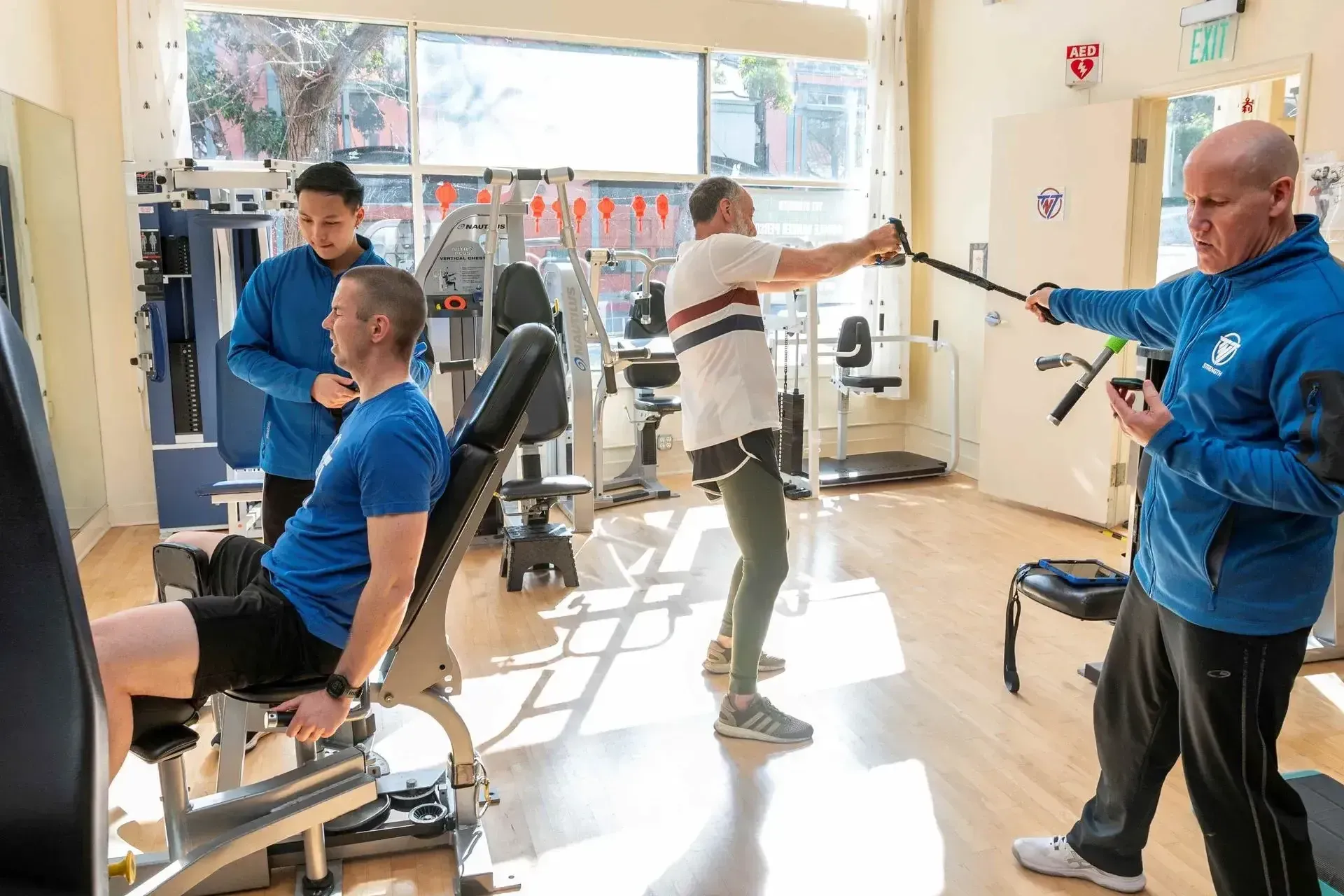
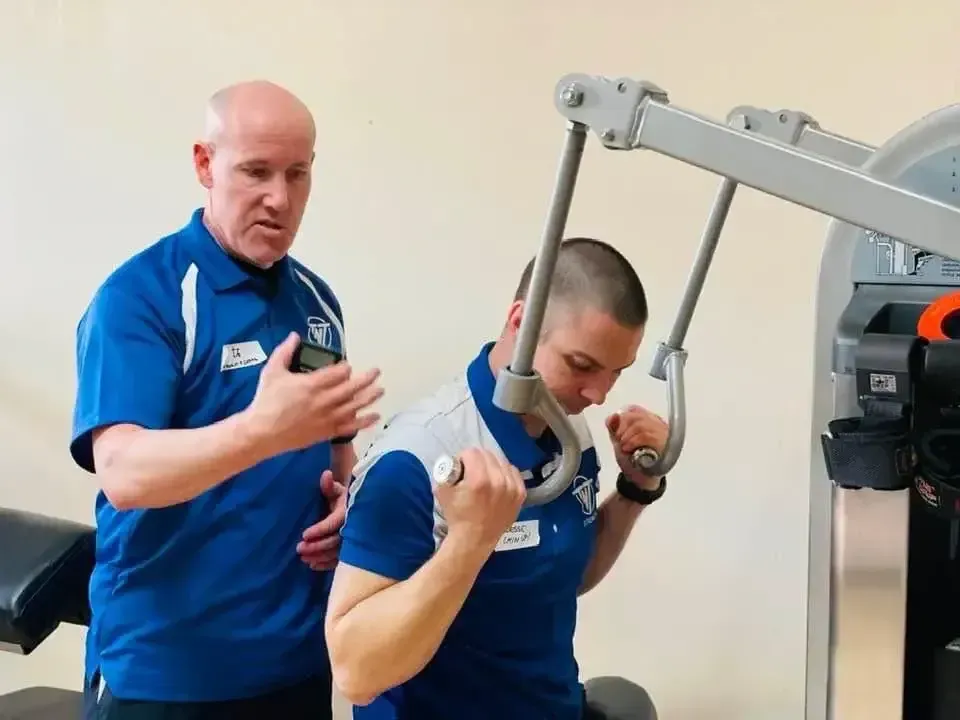
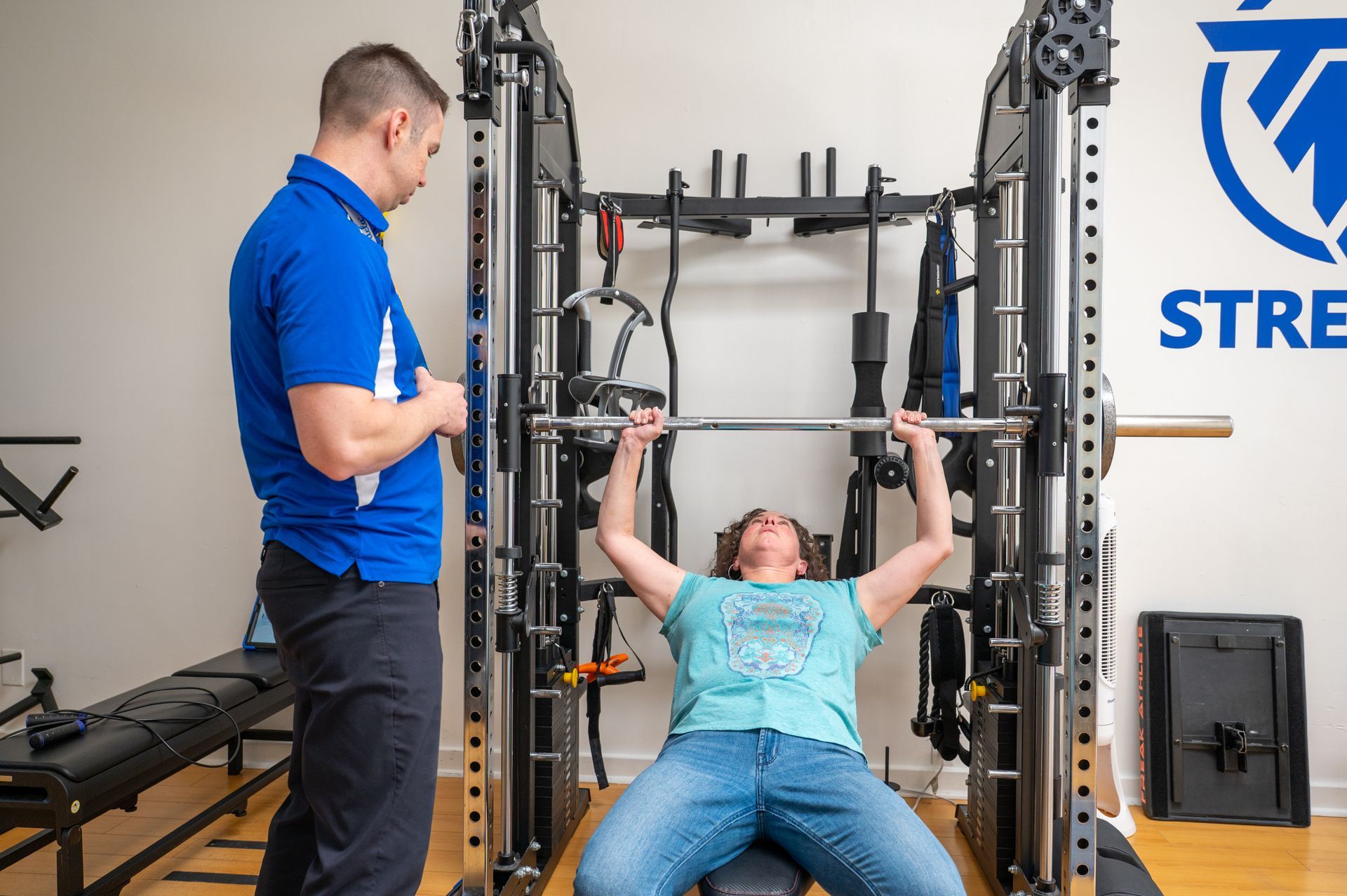
At TNT Strength, —and we don't coach reckless, momentum-driven reps masquerading as intensity either.
We coach control under pressure.
Every inch of the rep is owned.
No dropping into the bottom.
No bouncing out of it.
No throwing the weight and hoping momentum finishes the job.
But make no mistake—there's intent behind every movement.
Not reckless speed. Not wasted motion.
Controlled reps… powered with relentless intent.
That means:
- You control the weight
- You maintain position
- But you drive it like it matters
Why "Easy Slow" Doesn't Work
Let's be honest.
Most people doing slow reps aren't training harder.
They're training easier.
- Less load
- Less force
- Less recruitment
And ultimately…
Less result
Very slow reps can actually reduce the effectiveness of training if they limit motor unit recruitment.
What Actually Happens in a Hard Set
When you train correctly:
- Early reps feel controlled
- Mid reps get challenging
- Final reps?
Everything slows down.
Not because you chose it…
Because your body is running out of options.
That's where:
- High-threshold motor units are recruited
- Maximum tension is achieved
- Adaptation actually happens
Machines vs Free Weights — The TNT Advantage
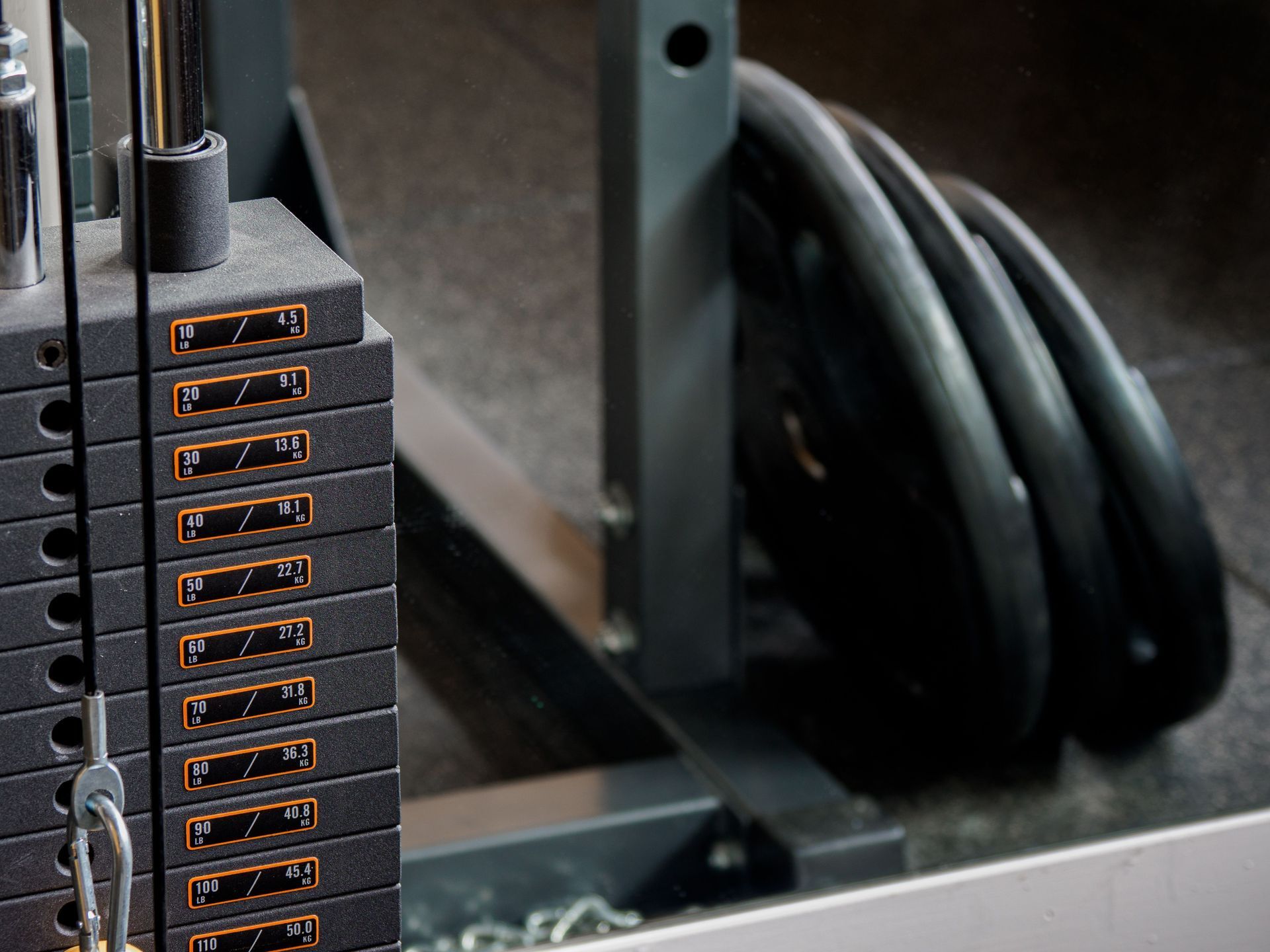
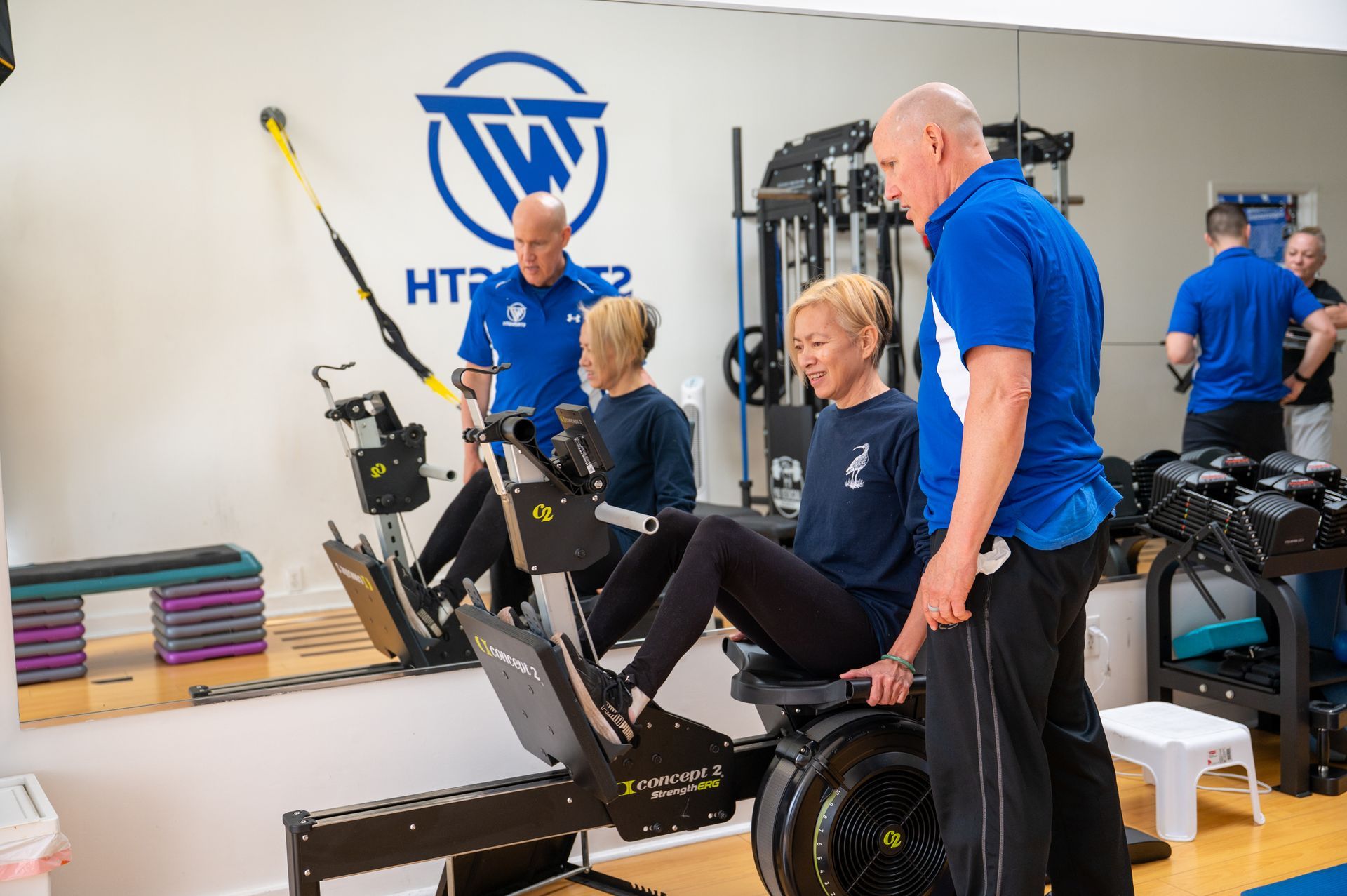
At TNT Strength, especially here in the East Bay, we consider ourselves "Tool Agnostic". However we do often lean heavily into high-quality machines.
Why?
Because they allow us to:
- Remove balance limitations
- Reduce injury risk
- Push closer to true muscular failure
Free weights still matter—but machines allow us to go where results actually live:
Deep, safe, high-effort training
The Real Goal
The goal is not to look good training.
The goal is to create a stimulus your body cannot ignore.
And that comes from:
- Effort
- Load
- Intent
Not theatrics.
A Simple Standard to Remember
Next time you train, ask yourself:
"Am I trying to move this weight… or am I just moving it?"
Because those are two completely different outcomes.
TAKU's NOTE:
If the weight is moving slowly because you chose to go slow…
You're missing it.
If the weight is moving slowly because you're giving everything you've got…
Now you're training.
FAQ
Do slow reps build muscle?
They can—but only if effort is high. Slow reps alone are not the driver of growth.
Should I try to lift explosively?
Yes. The intent should always be high—even if the bar moves slowly.
Is time under tension important?
It matters—but it's secondary to force production and effort.
Are machines better than free weights?
Not universally—but for safely achieving high effort and fatigue, machines are incredibly effective.
Do I need to train to failure?
For maximizing recruitment—especially with moderate or light loads—getting as close to failure as possible is critical.
References
- Brad Schoenfeld (2010). The Mechanisms of Muscle Hypertrophy and Their Application to Resistance Training. Journal of Strength and Conditioning Research
- Exercise Physiology literature review on resistance training variables and hypertrophy
- Research on mechanical tension and motor unit recruitment in resistance training
Experience the TNT Strength difference with a free workout.
START YOUR FITNESS TRANSFORMATION WITH A
FREE WORKOUT
Complete the form and we'll set up an appointment for you.
Recent Articles