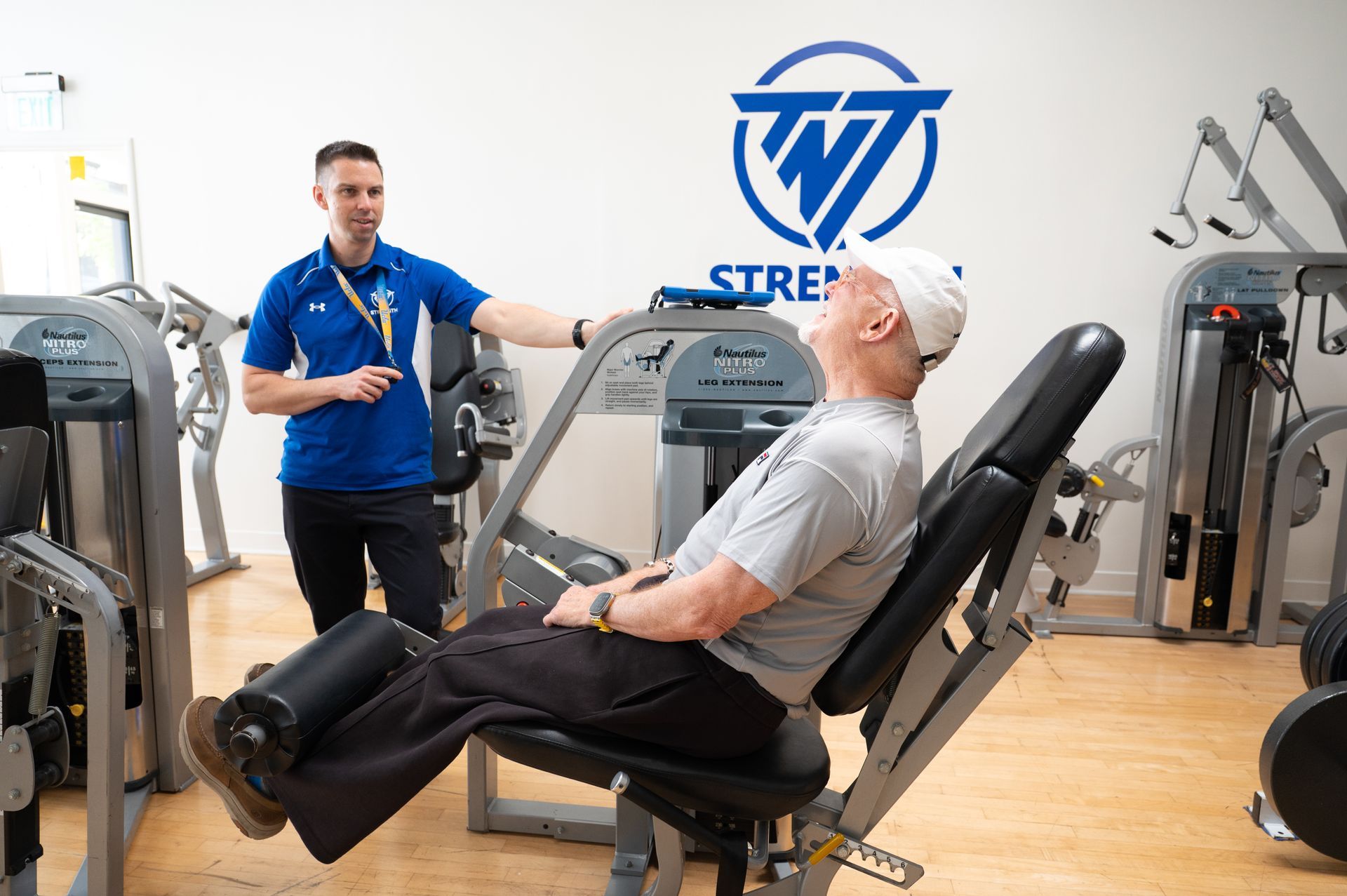
Power Without the Risk: How Seniors Build Real-World Strength (Without Jumping or Throwing)
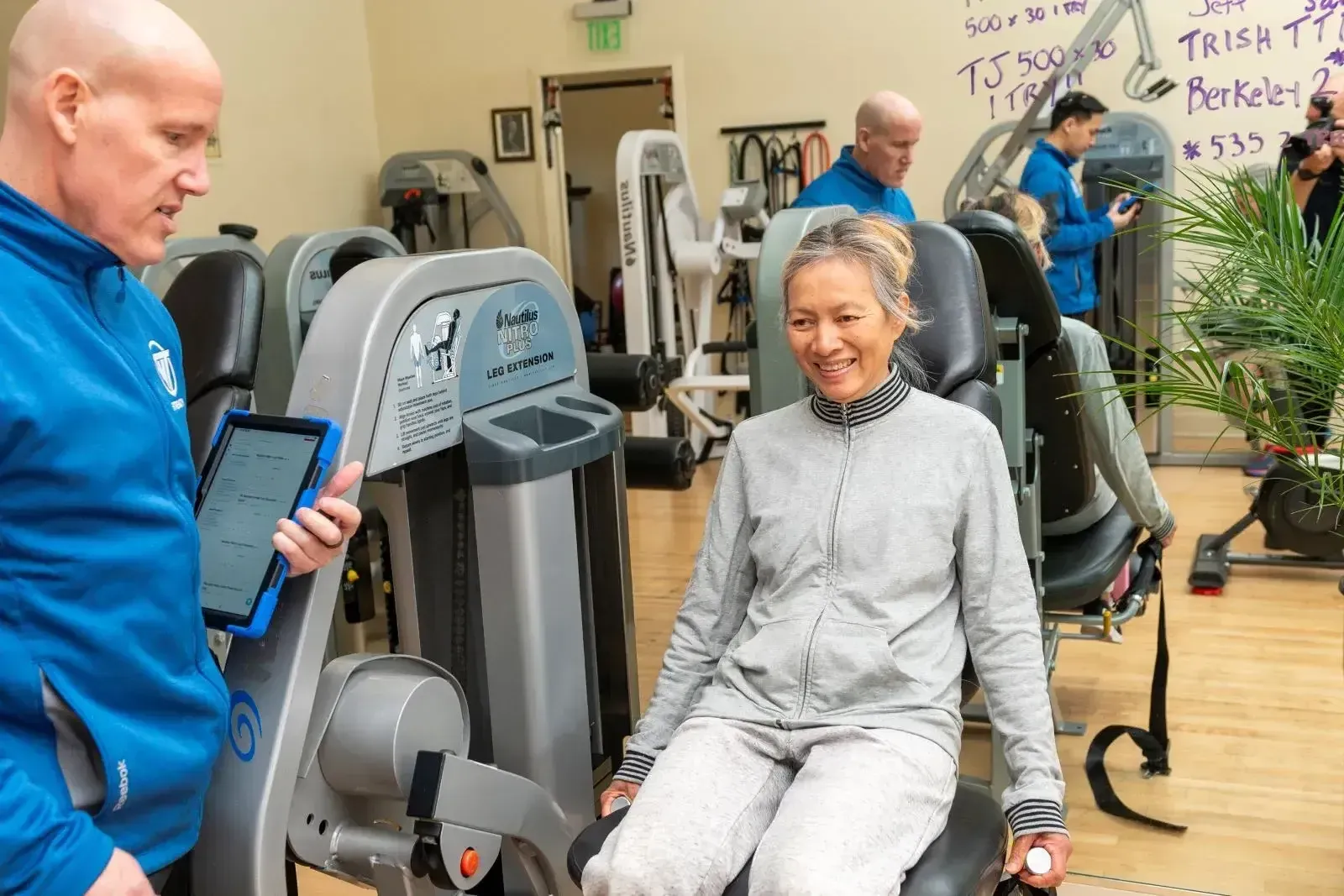
Estimated Read Time: 5–6 Minutes
TL;DR
- Power = Force × Velocity — but most seniors should focus on the force side.
- You don't need to jump, throw, or move fast to improve power.
- Getting stronger safely improves real-world power: standing, climbing stairs, preventing falls.
- Intent to move forcefully — even during slow reps — can train the nervous system effectively.
- Controlled, high-effort strength training is the safest and most effective path to power for older adults.
The Power Problem
Say the word "power," and most people picture explosive movement — box jumps, sprinting, Olympic lifts.
That's fine...if you're 25 and built for it.
But for a 60-, 70-, or 80-year-old? That model breaks down fast.
The problem isn't that seniors can't train for power — it's that we've defined power training too narrowly.
Let's fix that.
Power Is Just an Equation
At its core:
Power = Force × Velocity
Most people obsess over the velocity side — moving fast.
But here's the reality: if velocity is limited (and for many seniors, it is), the smartest move is to improve force production .
Because if you increase force, you increase power — even if movement speed stays controlled.
Strength Is the Gateway to Power
For seniors, power shows up in everyday life:
- Standing up from a chair
- Catching yourself when you trip
- Climbing stairs
- Carrying groceries
- Getting up off the ground
These are not "explosive gym movements."
They're force production tasks .
And the stronger you are, the more reserve capacity you have to perform them quickly and safely.
That's real-world power.
You Don't Need to Move Fast to Train Power
Here's the concept that changes everything:
You don't have to move fast to try to move fast.
Even during a slow, controlled repetition, you can apply maximal intent — trying to move the weight forcefully while maintaining control.
This does two important things:
- Recruits more motor units
- Improves rate of force development (RFD) — your ability to generate force quickly
All without the wear and tear of ballistic training.
Why "Explosive" Training Isn't Always the Answer
High-velocity training (jumping, throwing, rapid lifts) can be effective — but it comes with trade-offs:
- Increased joint stress
- Higher injury risk
- Greater coordination demands
- Less margin for error
For many seniors — especially those new to training or managing orthopedic limitations — the risk-to-reward ratio just doesn't make sense.
That doesn't mean they can't improve power.
It means we choose a safer path to the same outcome .
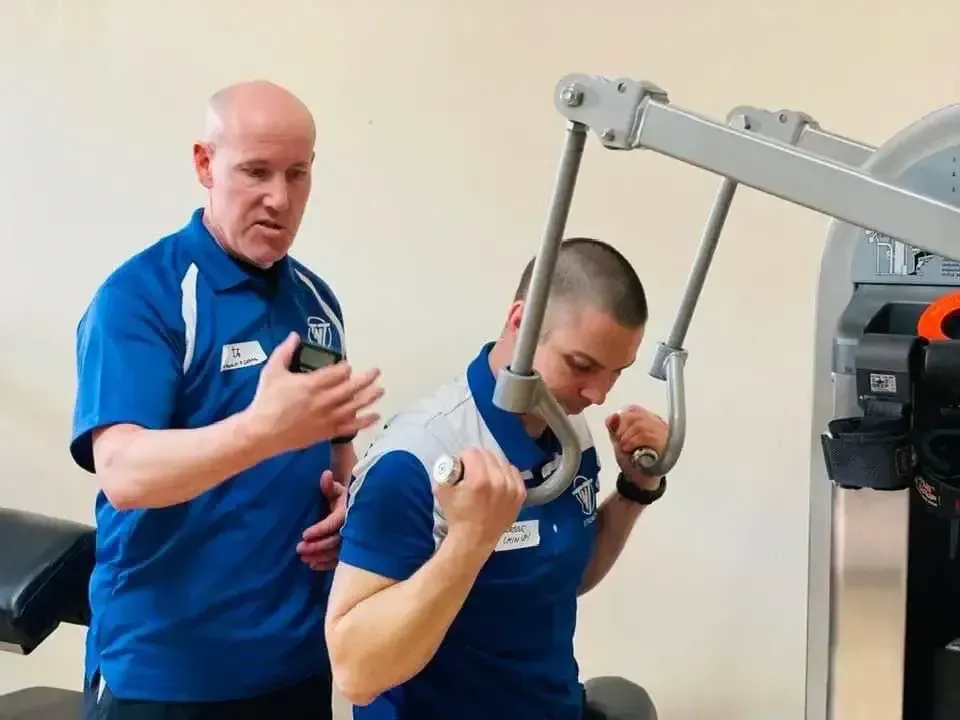
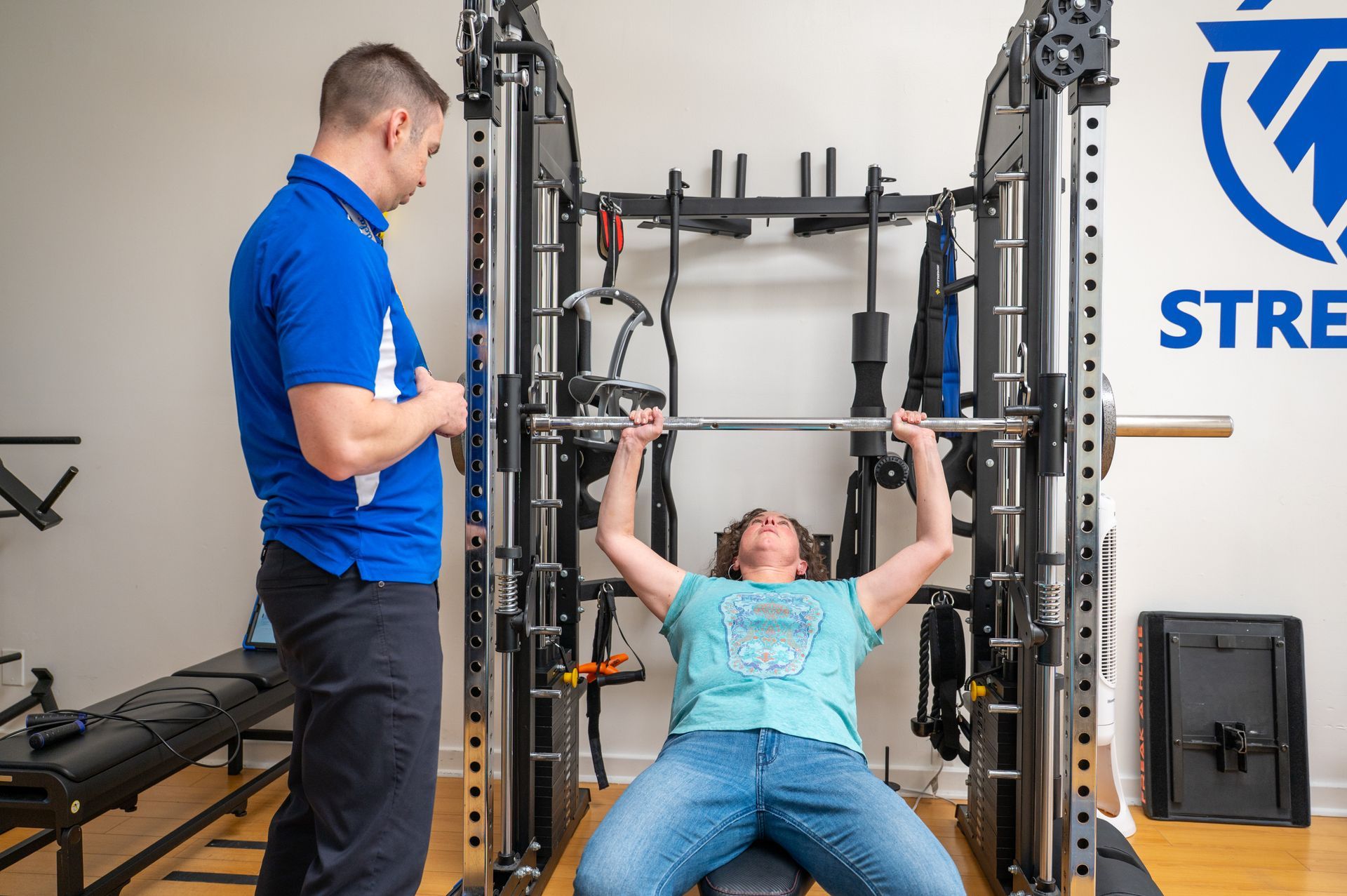
The Smarter Approach: Controlled, High-Effort Strength Training
A well-designed program for seniors focuses on:
- Controlled tempo (no jerking or sudden acceleration)
- Moderate to high resistance (relative to ability)
- High effort (approaching muscular fatigue)
- Intentional force production on every rep
This builds the foundation of power: the ability to produce force .
And here's the kicker — when you increase strength, even submaximal tasks become faster.
Standing up from a chair doesn't just get easier — it gets quicker.
Real Power Is About Reserve Capacity
Think of it this way:
If it takes 80% of your strength to stand up from a chair, you're moving slowly and with effort.
If it takes 40%?
Now you've got room to move faster, react quicker, and recover from mistakes.
That's what prevents falls.
That's what maintains independence.
That's what keeps people living life on their terms.
Training Smarter in Berkeley & Oakland
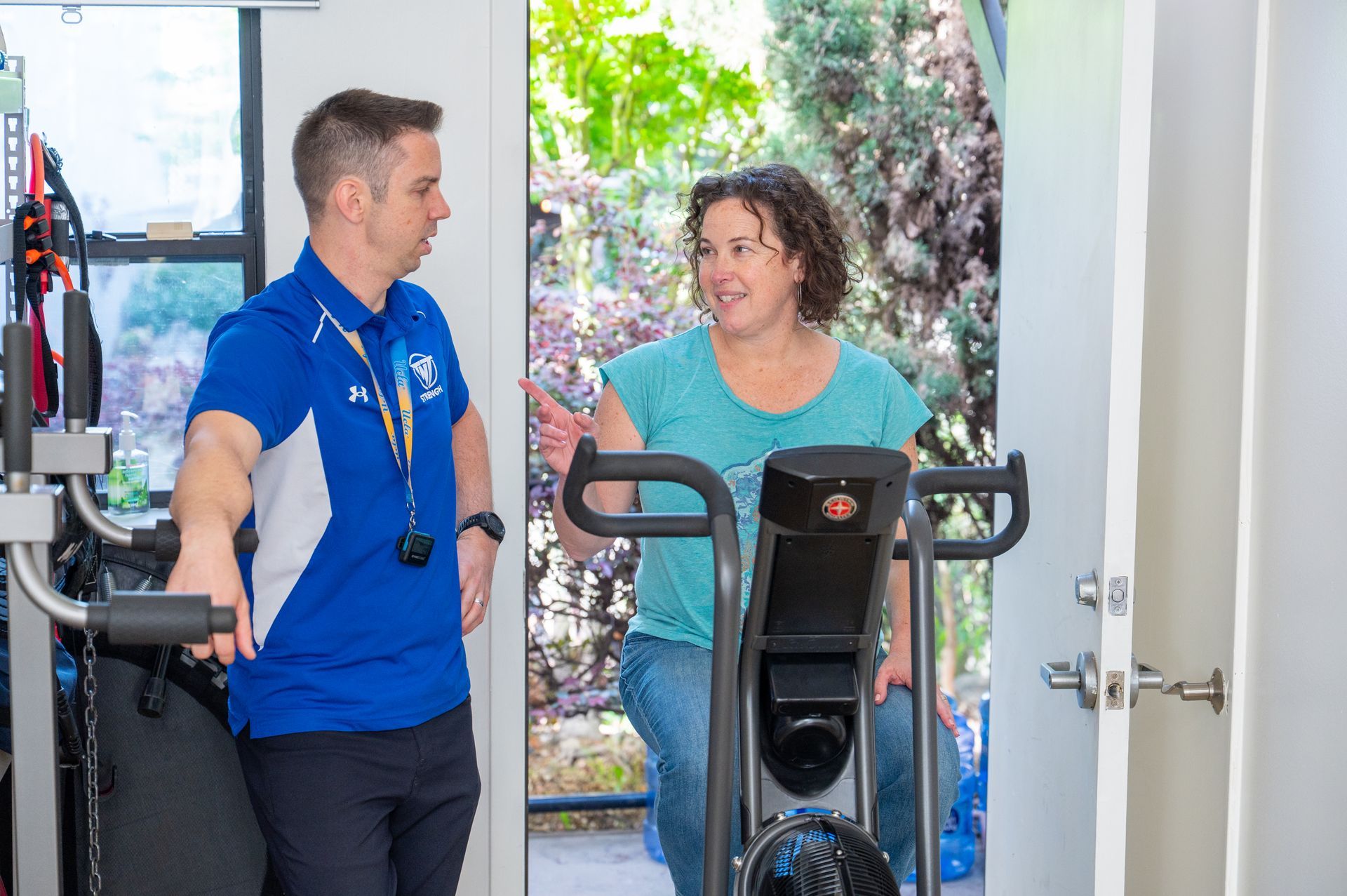
Here in Oakland and Berkeley , we work with a large population of adults 50+ who want to stay active, independent, and capable.
They're not interested in box jumps.
They are interested in:
- Playing with their grandkids
- Walking the shoreline at Crown Memorial State Beach
- Hiking in Redwood Regional Park
- Living without fear of falling or getting hurt
And the best way to support those goals?
Safe, progressive strength training that builds real, usable power.
TAKU's Note
You don't need to throw medicine balls.
You don't need to jump on boxes.
You don't even need to move fast.
If you want to improve power as you age:
Get stronger. Apply force. Train with intent.
Because real power isn't about what you can do in the gym — it's about what you can do when life demands it.
Frequently Asked Questions
Q: Do seniors need explosive training to improve power?
A: No. While explosive training can improve power, seniors can achieve similar benefits by increasing strength and applying force with intent during controlled movements.
Q: Is slow training effective for power?
A: Yes — when combined with high effort and intentional force production. The nervous system still learns to recruit muscle fibers efficiently.
Q: What's the safest way for seniors to train for power?
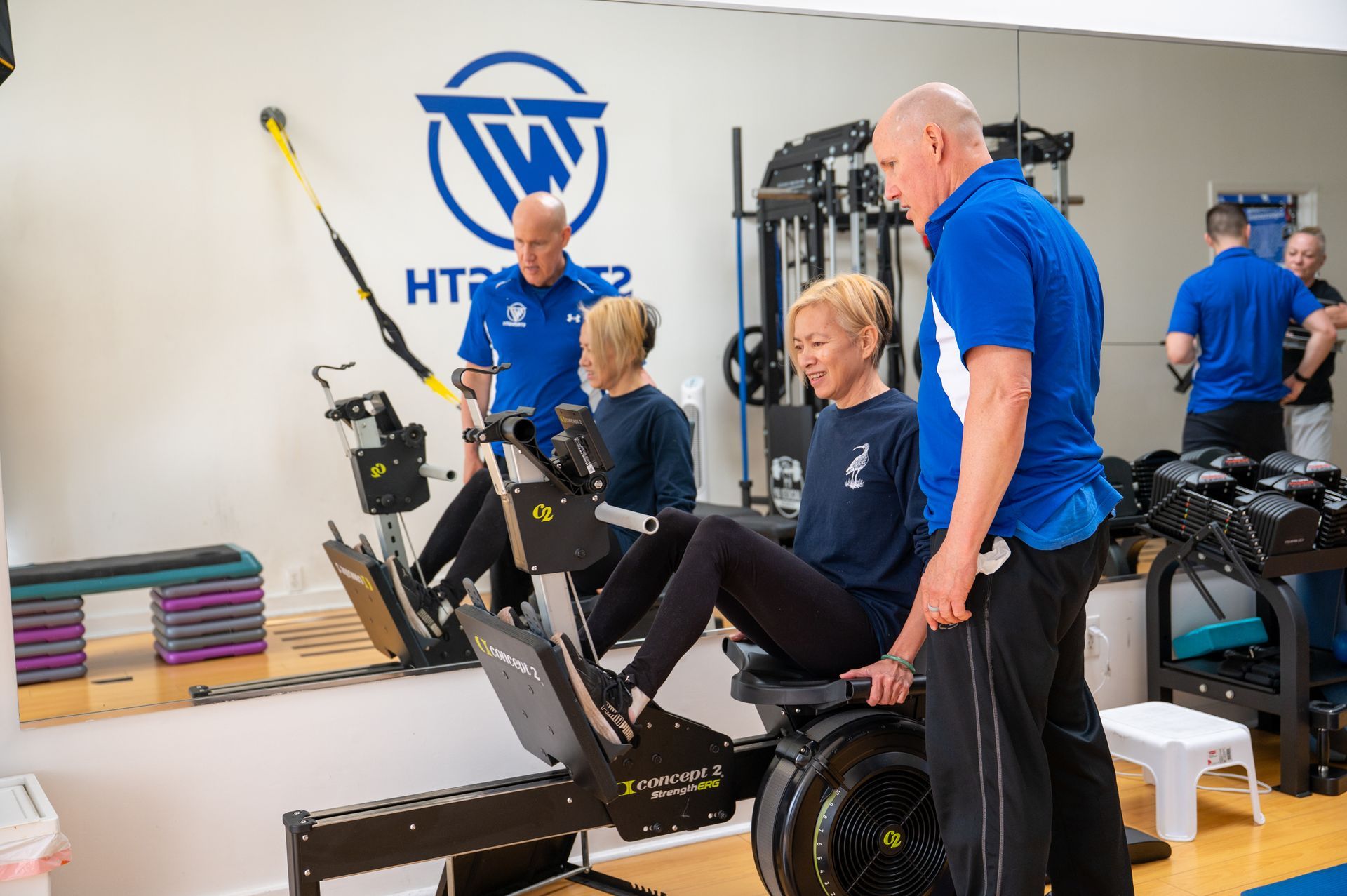
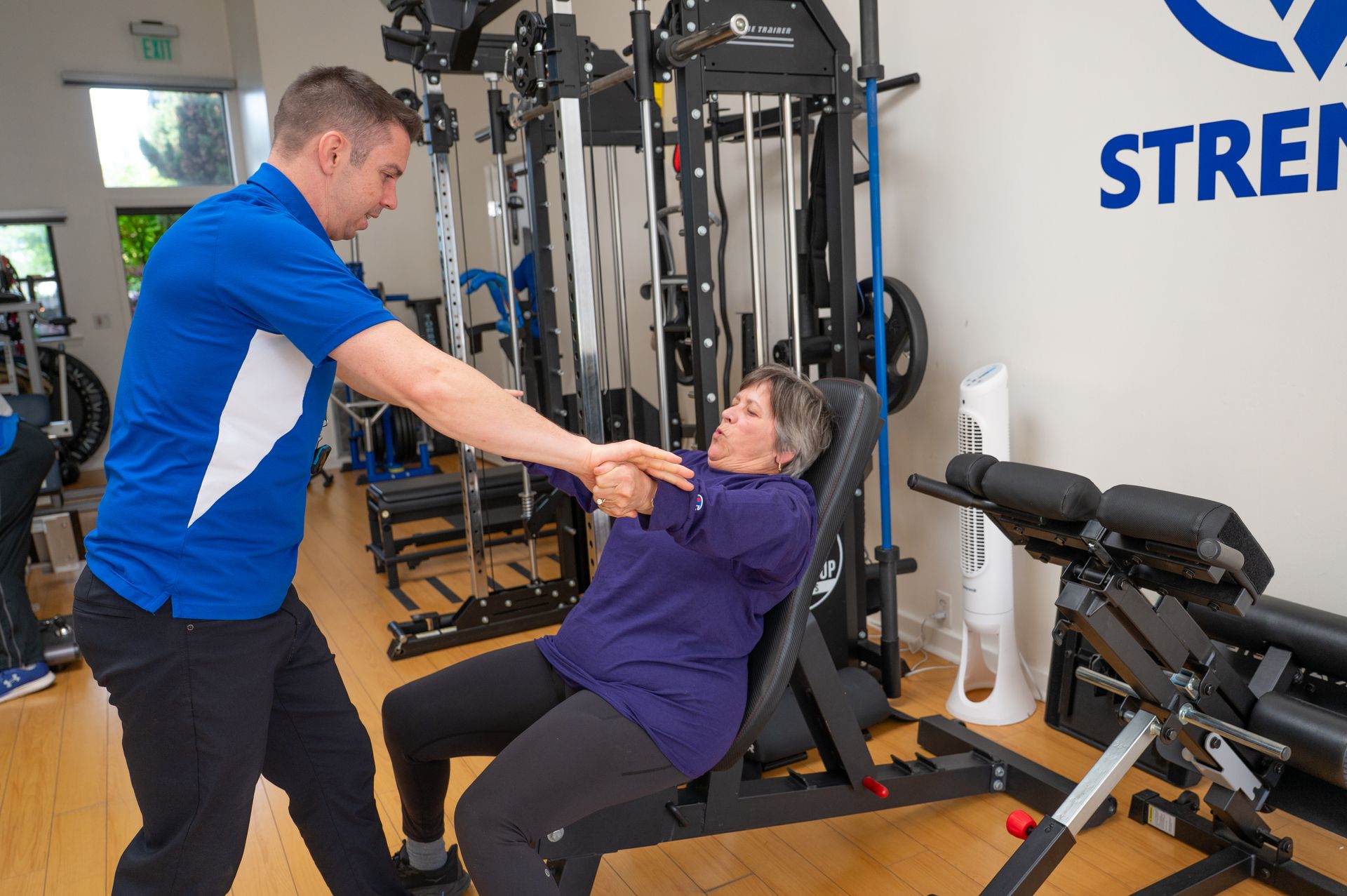
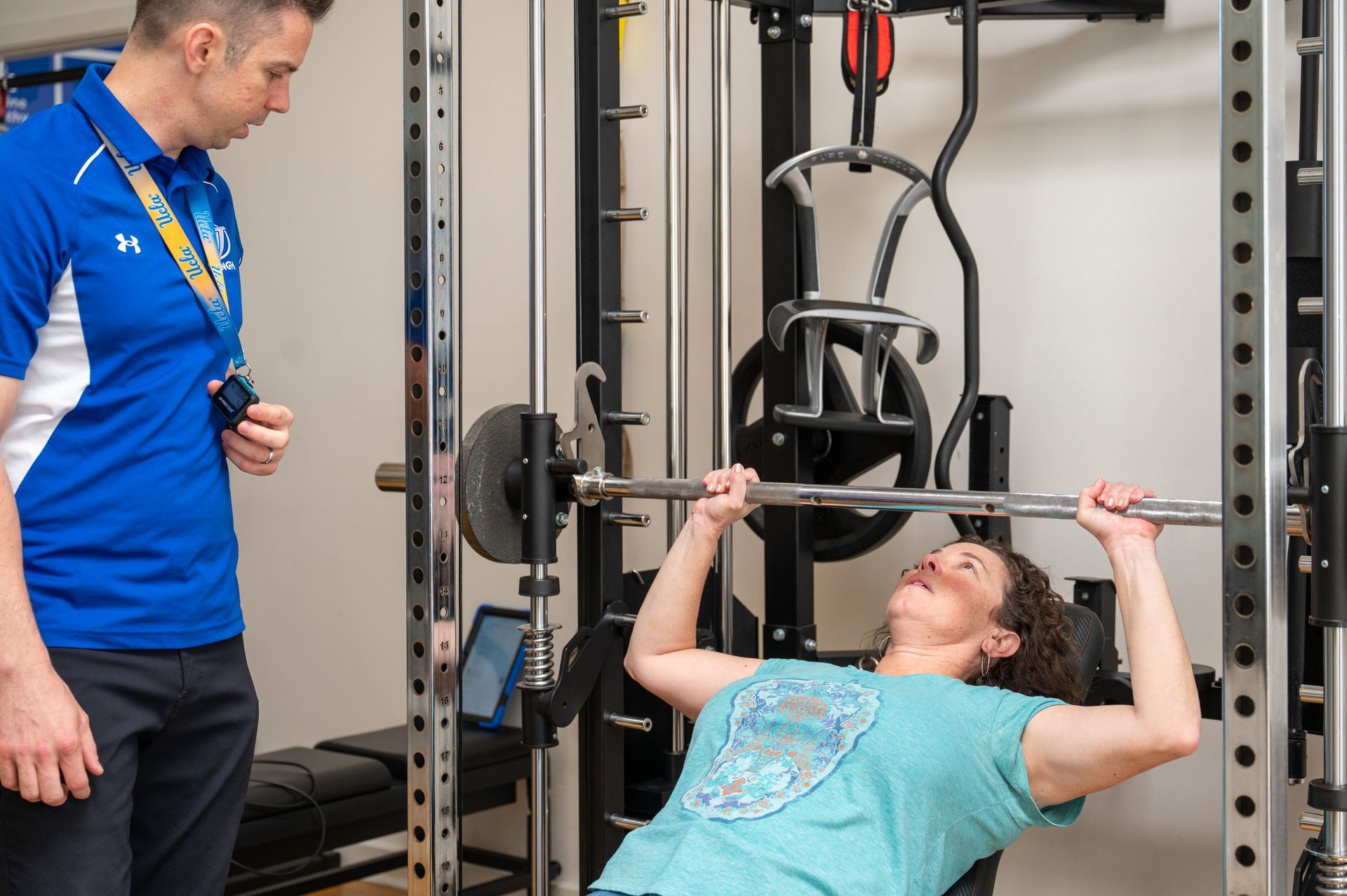
A: Controlled resistance training with proper supervision, focusing on good form, appropriate load, and high effort.
Q: Will getting stronger actually make me faster?
A: In many cases, yes. As strength increases, everyday movements require less effort, allowing them to be performed more quickly and efficiently.
Q: How often should seniors train?
A: Most benefit from 1–3 well-structured strength sessions per week, with adequate recovery.
References
- American College of Sports Medicine — Exercise Guidelines for Older Adults
- National Strength and Conditioning Association — Resistance Training for Older Adults
- Fielding, R.A., et al. — "High-Velocity Resistance Training Increases Muscle Power in Older Adults" ( Journal of the American Geriatrics Society )
- Reid, K.F., & Fielding, R.A. — "Skeletal Muscle Power: A Critical Determinant of Physical Functioning in Older Adults" ( Exercise and Sport Sciences Reviews )
- Peterson, M.D., et al. — "Resistance Exercise for Muscular Strength in Older Adults" ( Ageing Research Reviews )
- Steib, S., et al. — "Dose-Response Relationship of Resistance Training in Older Adults" ( Medicine & Science in Sports & Exercise )
- Borde, R., et al. — "Dose-Response Relationships of Resistance Training in Healthy Old Adults" ( Sports Medicine )
- Orr, R., et al. — "Power Training Improves Balance and Fall Risk in Older Adults" ( Journal of Aging and Physical Activity )
Experience the TNT Strength difference with a free workout.
START YOUR FITNESS TRANSFORMATION WITH A
FREE WORKOUT
Complete the form and we'll set up an appointment for you.
Recent Articles