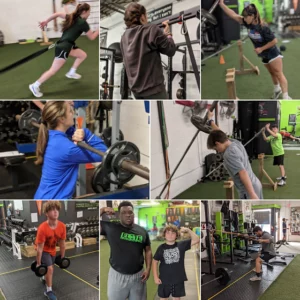
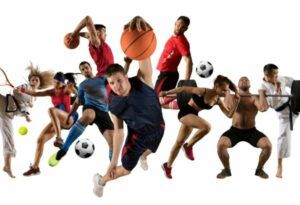
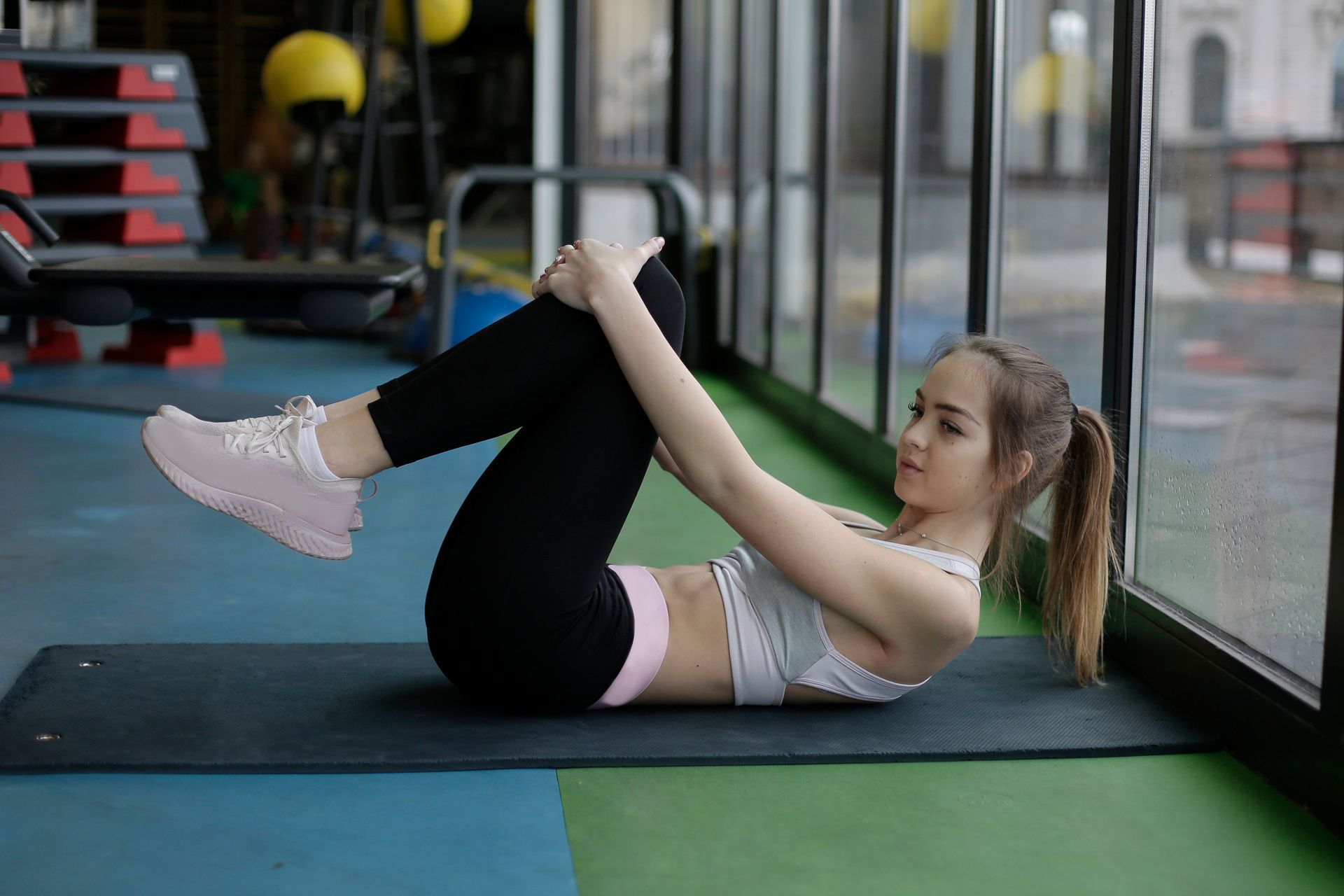
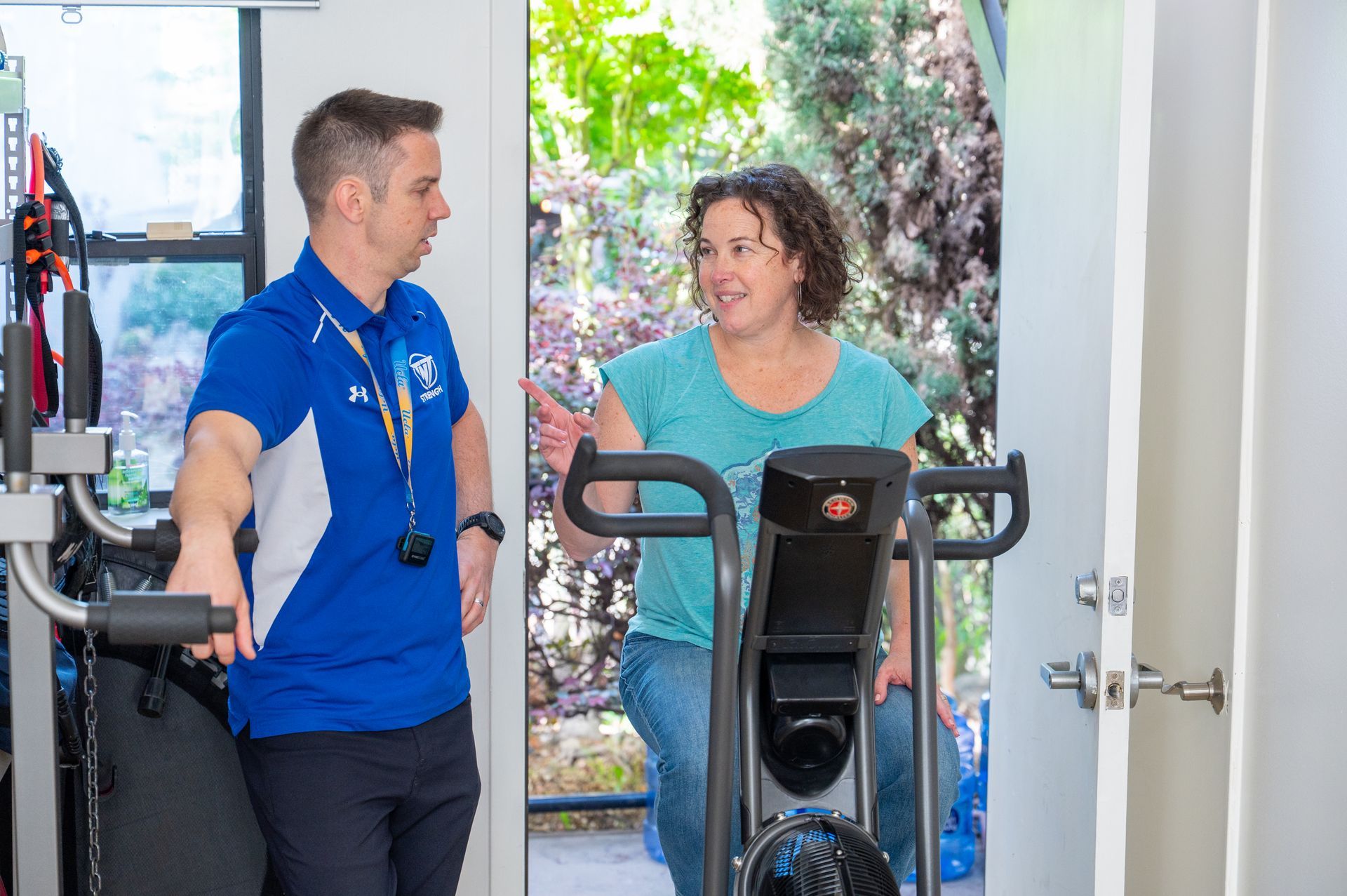
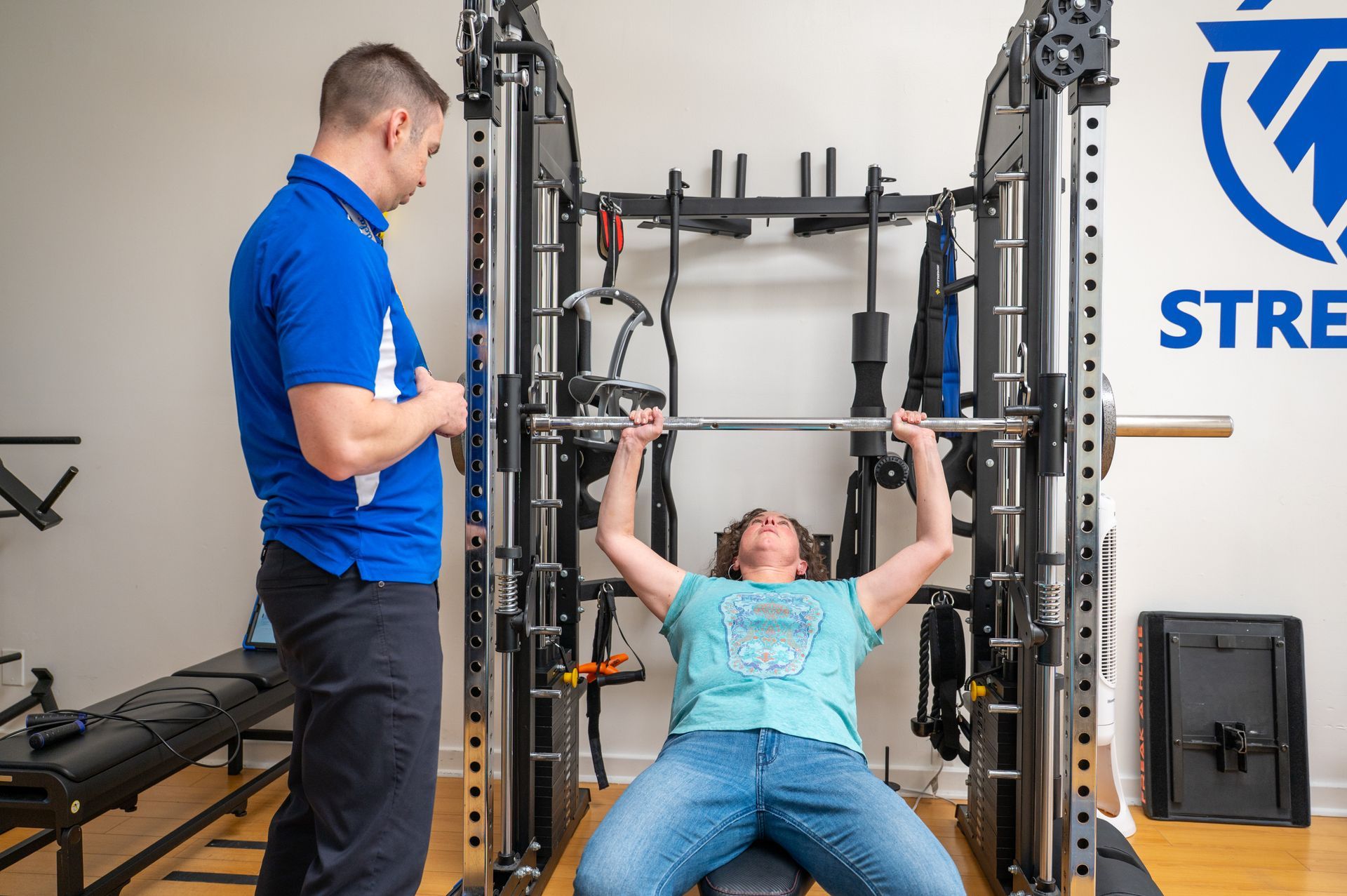
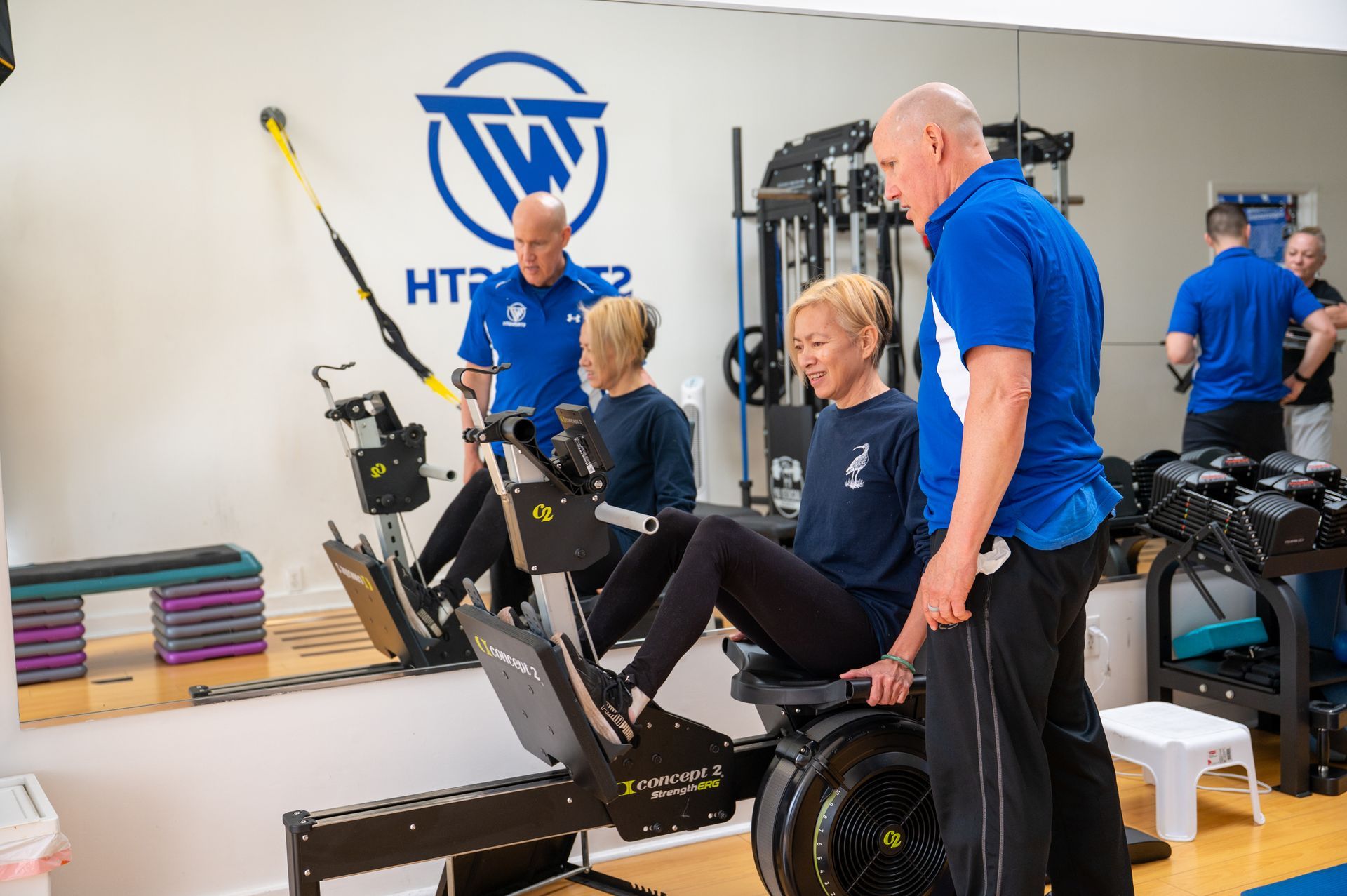
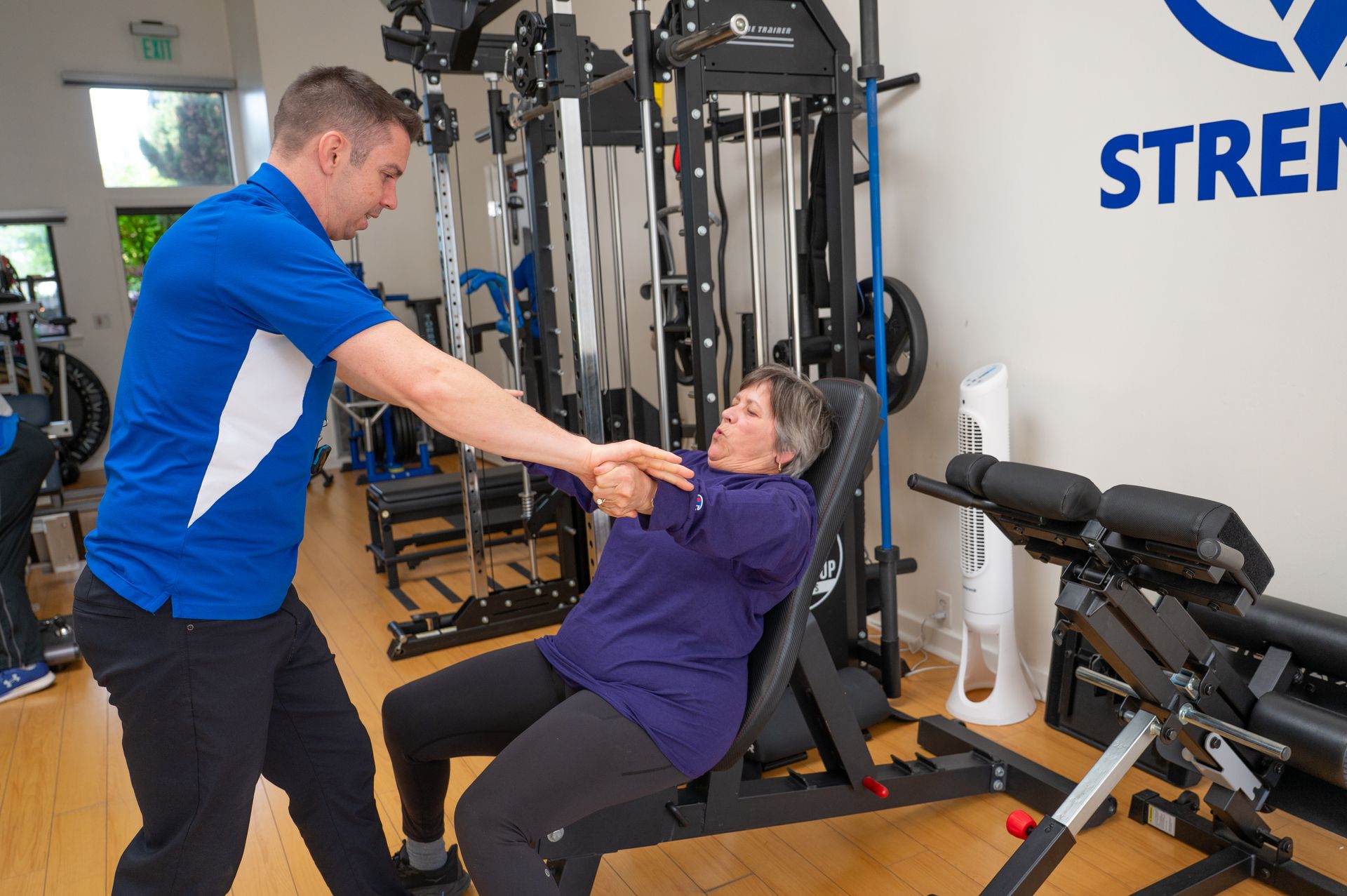
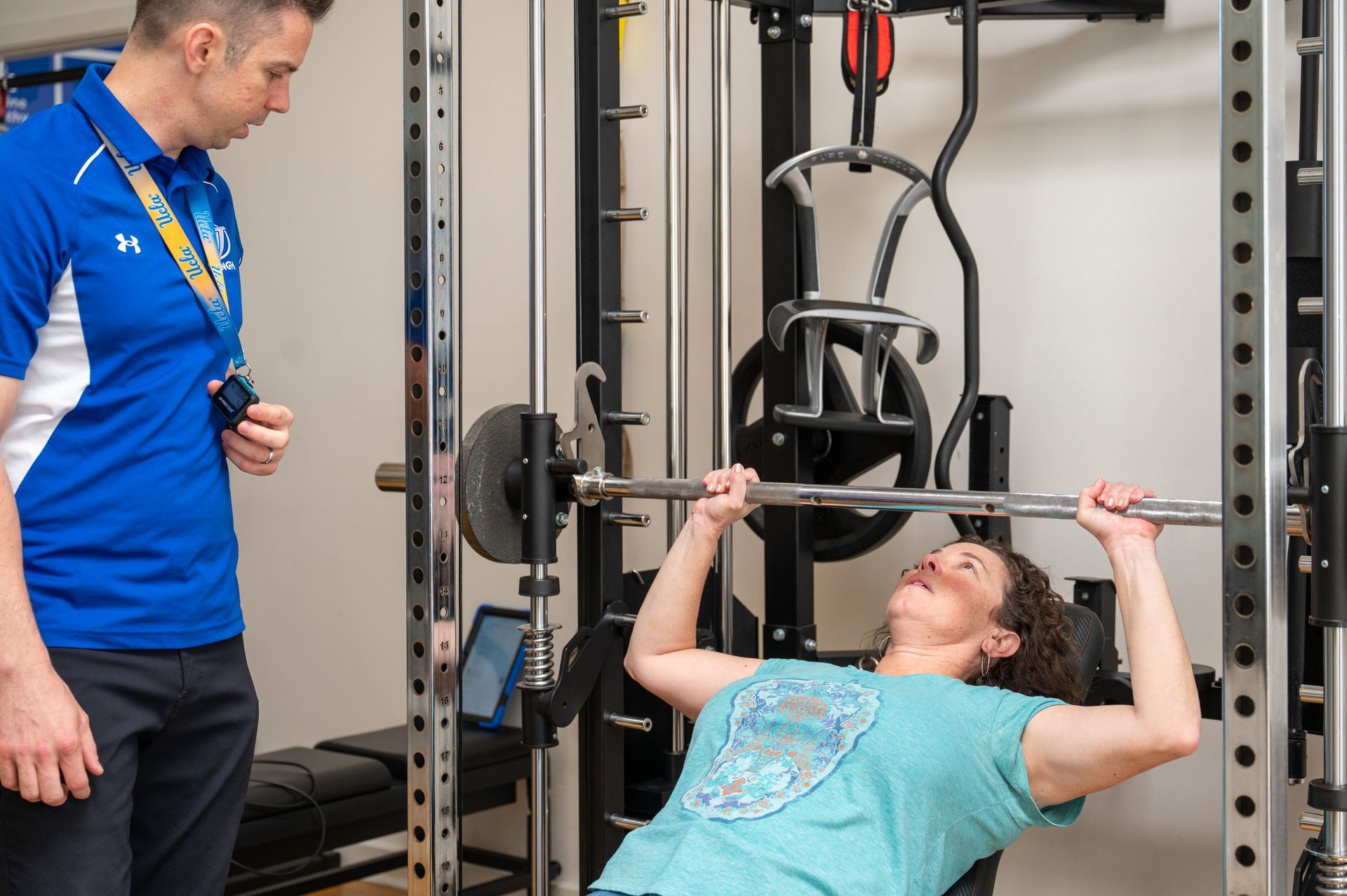
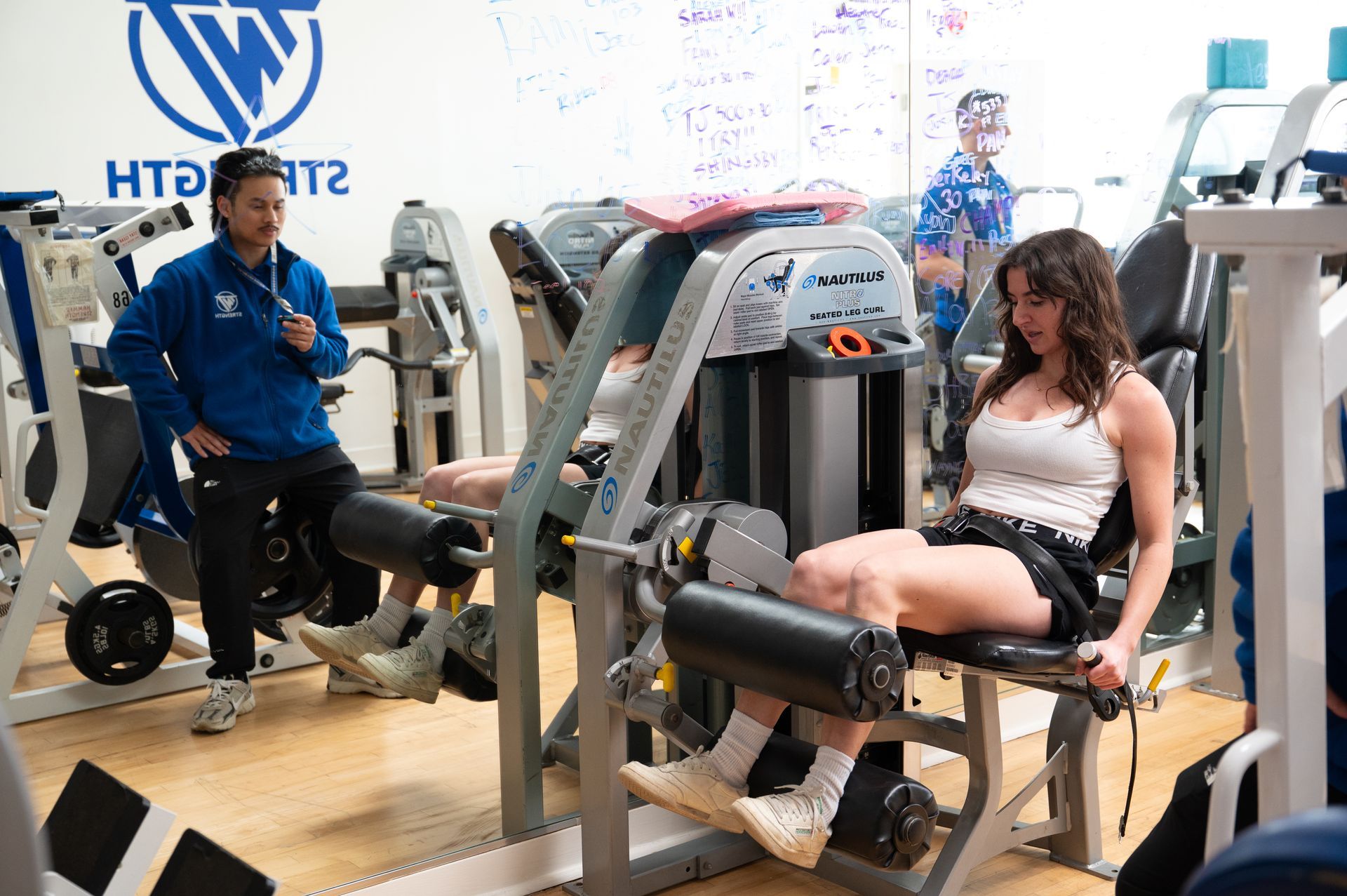
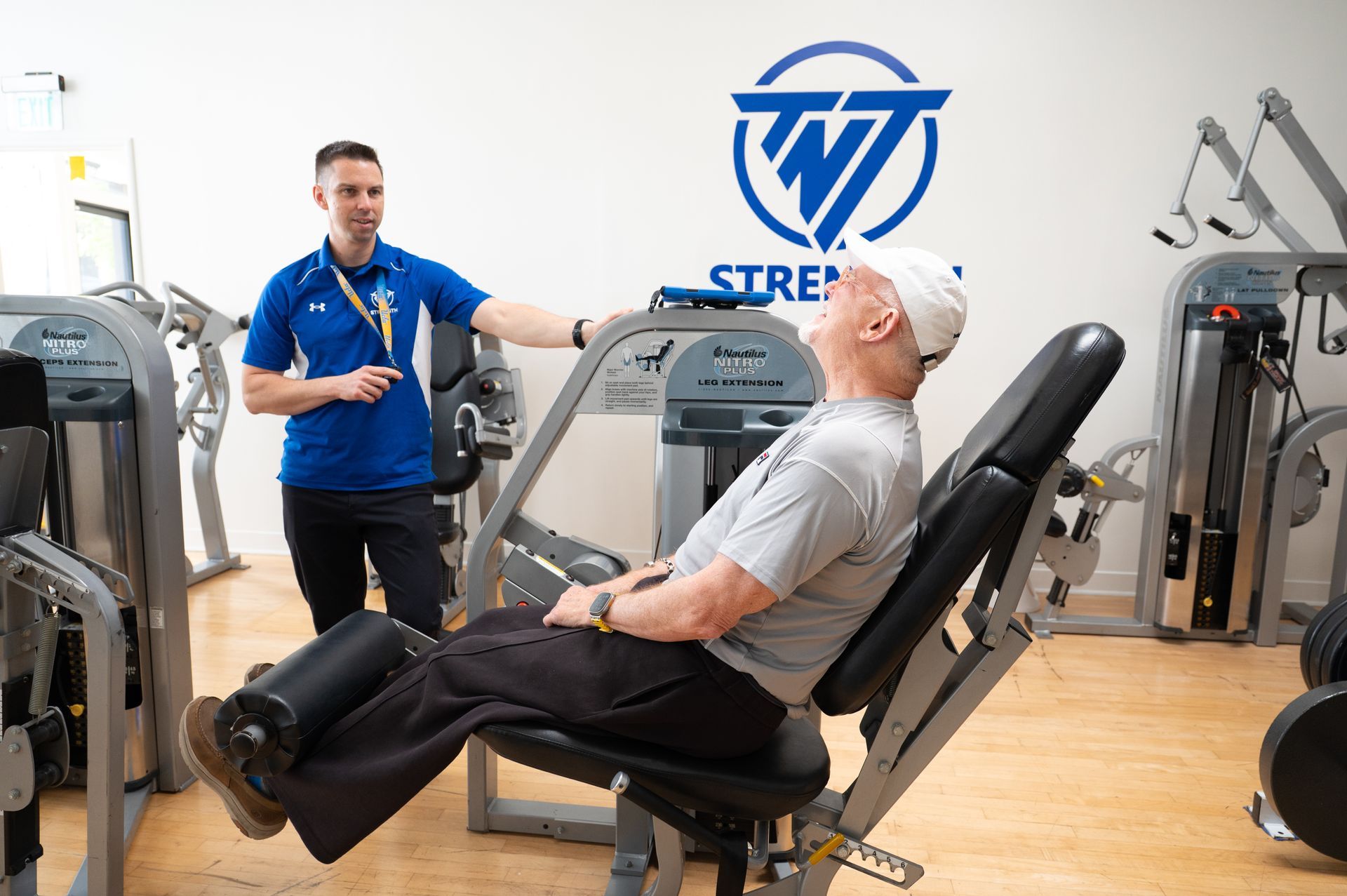
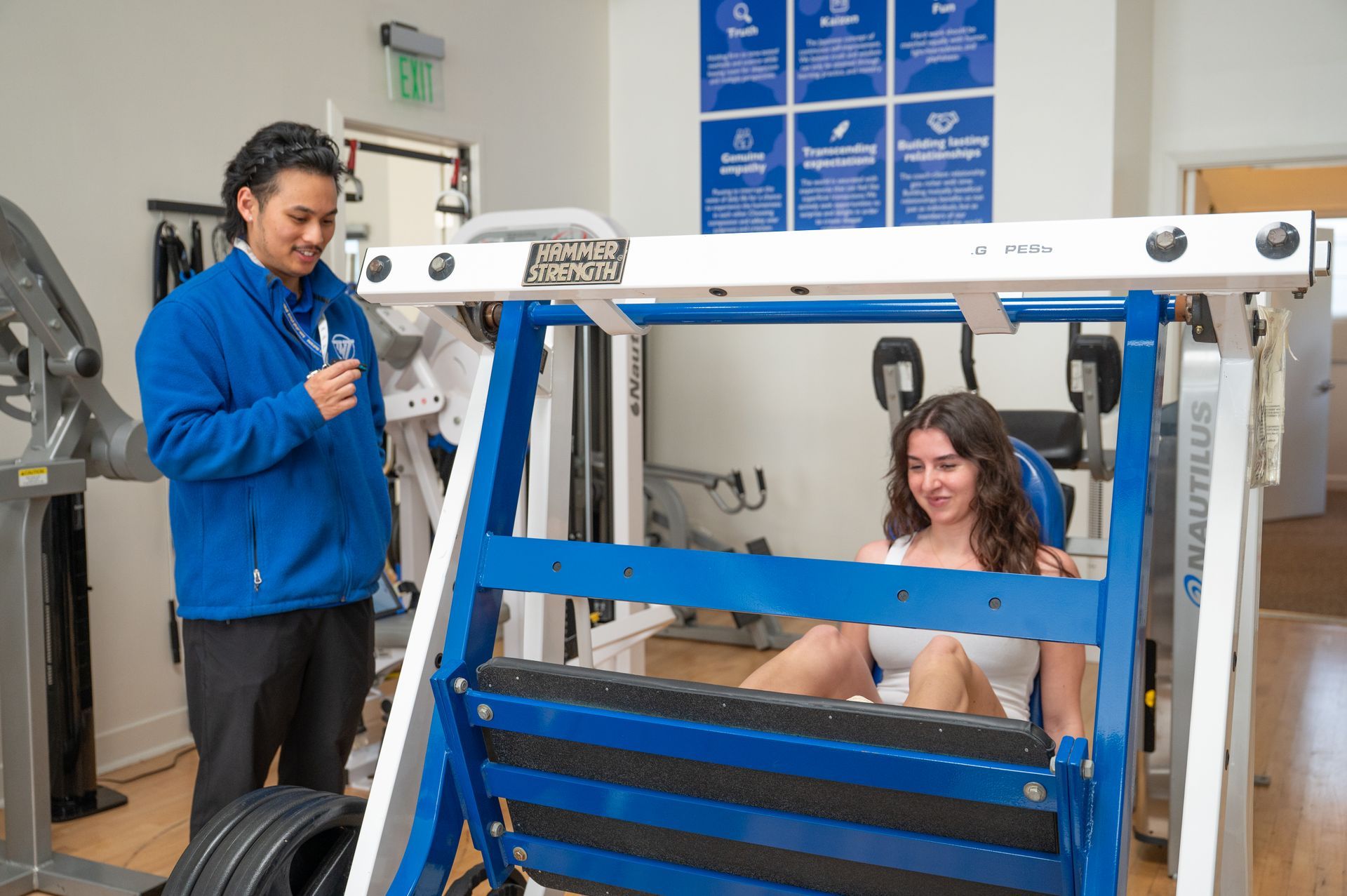
The goal of a sports performance program is to maximize physical qualities needed for optimal athletic performance and injury prevention. Simply put, athletes want to perform at their best from start to finish each contest, over an entire season, and throughout their playing careers without incurring injury setbacks. Many programs that address this can be complicated, time-consuming, and unproductive, but a sound program simplifies the process by focusing on the alterable physical qualities to assure time-efficiency and measurable results. The bottom line is following a sound program makes sense and optimally prepares you for the rigors of competition.
Progressive strength training
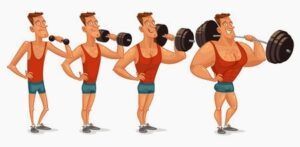
The benefits of increasing muscular strength are numerous. Increasing over-all body strength will improve your potential to exert maximum strength, explosive power and muscular endurance during competition. It will also assist in improving running speed, agility, body composition (body fat levels), and injury prevention. Coaches should utilize a variety of intensity-based protocols for both in-season and out-of-season programs.
Sport-related conditioning.
Fatigue can inhibit maximum skill performance and increase the risk of injury, especially in the latter stages of competitions and important contests at the end of the season. Being in top condition is therefore vital. A good program addresses the energy demands required for your sport by using various interval runs, speed &, agility drills, and sport-specific activities to improve your ability to work at a high level the entire contest. Numerous methods can be used to get you “in shape,” but the closer you can replicate work demands of your sport during conditioning training, the greater the transfer to the sport.
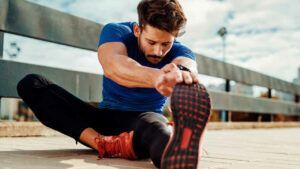
All other factors being equal, applying muscular force over the greatest range of joint motion can improve power output during skill execution. Therefore, maximizing one's inherent flexibility can be beneficial. One's joint flexibility is contingent upon skeletal muscle origins and insertions, body composition, and to some extent activity level. Some athletes are quite flexible while others are not. Whatever your level, it can be maximized by emphasizing full range of motion strength training exercises and performing basic pre-workout dynamic movements, and post-workout safe static-stretching exercises. An inordinate amount of time spent on static stretching is normally not necessary unless there is a specific need for it.
Nutritional intake can have a significant impact on your performance potential as it can both positively and negatively effect body composition, energy levels during training and competition, and the ability to grow muscle and build strength. Following a sensible nutrition plan is therefore very important. A sound program offers advice and guidelines for adhering to a proper food intake plan to optimize your training results. If one eats sensibly from healthy products obtained at the local grocery store, it will augment their training and recovery so expensive nutritional supplements are really not necessary accept to fill in the gaps of your Personal Eating Plan.
Benefits of the sports performance program components:
Increased muscular strength
Increased muscular endurance
Assists in body fat reduction
Improved reaction/quickness
Assists in body fat reduction
Improved force production potential
Maximizes muscle strength
Assists in body fat reduction
TAKU's NOTE: *When training to enhance athletics, Compound movements should be your bread and butter. Training using almost exclusively compound movements saves time and guaranties maximum efficiency in your training. As a minimum standard be sure that you push and pull both vertically and horizontally and include some forms of squatting lunging and dead-lifting movements in your over all plan. Resisted and dynamic midsection work as well as neck and grip work are, an effective way to round out a well planned training program.
Here is a short list of movements you should include on a regular basis:
1. Horizontal press variations (Flat / Incline / Decline)
2. Horizontal Rows Variations (Overhand / Underhand / T-bar)
3. Vertical pulling variations (Chin-ups / Pull-ups / Pull-downs)
4. Vertical press variations (DB / BB / Military press / Press Behind neck)
5. Squat variations (Front / Back / Zercher)
6. Dead-lift variations (RDL / Stiff-legged / Standard / Trap Bar)
7. Lunge variations (Forward / Lateral / Reverse / Transverse)
8. Mid-section variations (Full contact twists / GHD / Knee raise)
9. Neck variations (4-Way Neck Machine / Neck harness / Manual resistance / Neck-ups)
10. Grip variations (Farmers walks / Grippers / Timed Hangs)
TAKU's NOTE:
If you are Looking for the best Strength Training tool for in Home Training I Highly recommend that you check out the Harambe System.
As far as I am concerned it is the best home gym on the market. If you visit their website you can get 15% off using the code TNT at checkout.
For more ideas about creating simple effective strength training and conditioning programs check back here frequently or visit us at:
www.tntstrength.com
Register
your name and email address on the site so you can be kept up-to-date on the latest news from TNT Strength.