Eat Strong, Move Strong: Joint Health Nutrition Tips (Oakland & North Berkeley)
By Liam "TAKU" Bauer | Estimated Time to Read: 6–7 minutes
TL;DR: Your joints don't just rely on training, movement, and recovery—what you eat matters more than most people realize. A nutrient-dense, anti-inflammatory, low-carb or ketogenic approach can help reduce joint pain, stiffness, and inflammation while supporting long-term mobility and strength. Focus on foods like fatty fish, olive oil, leafy greens, berries, avocados, eggs, herbs, and cruciferous vegetables—and avoid refined carbs, sugary drinks, processed oils, and excess alcohol.
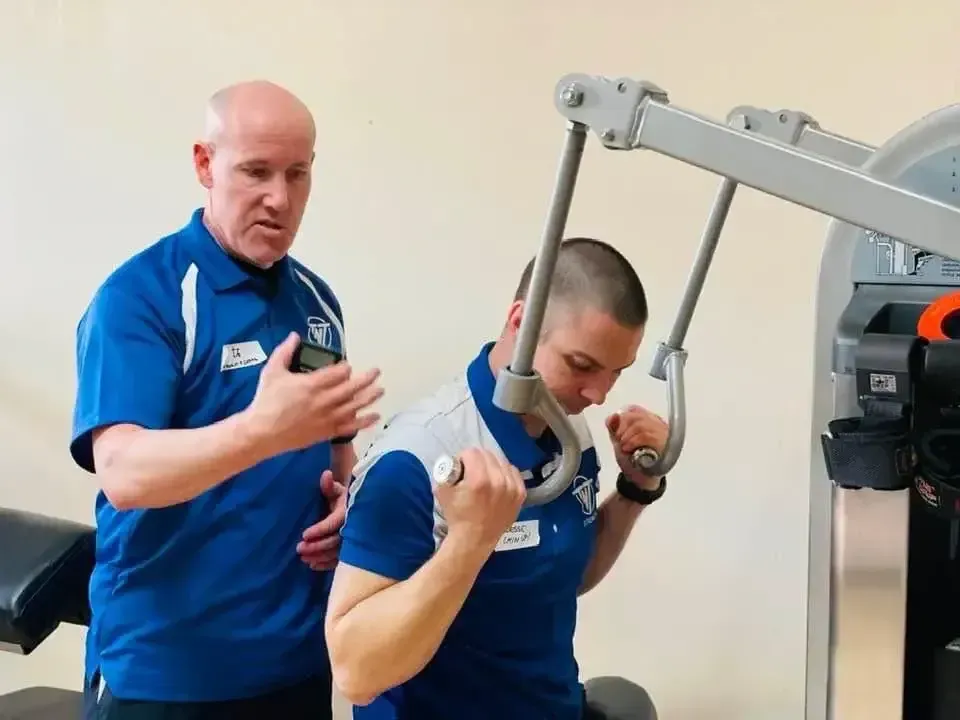
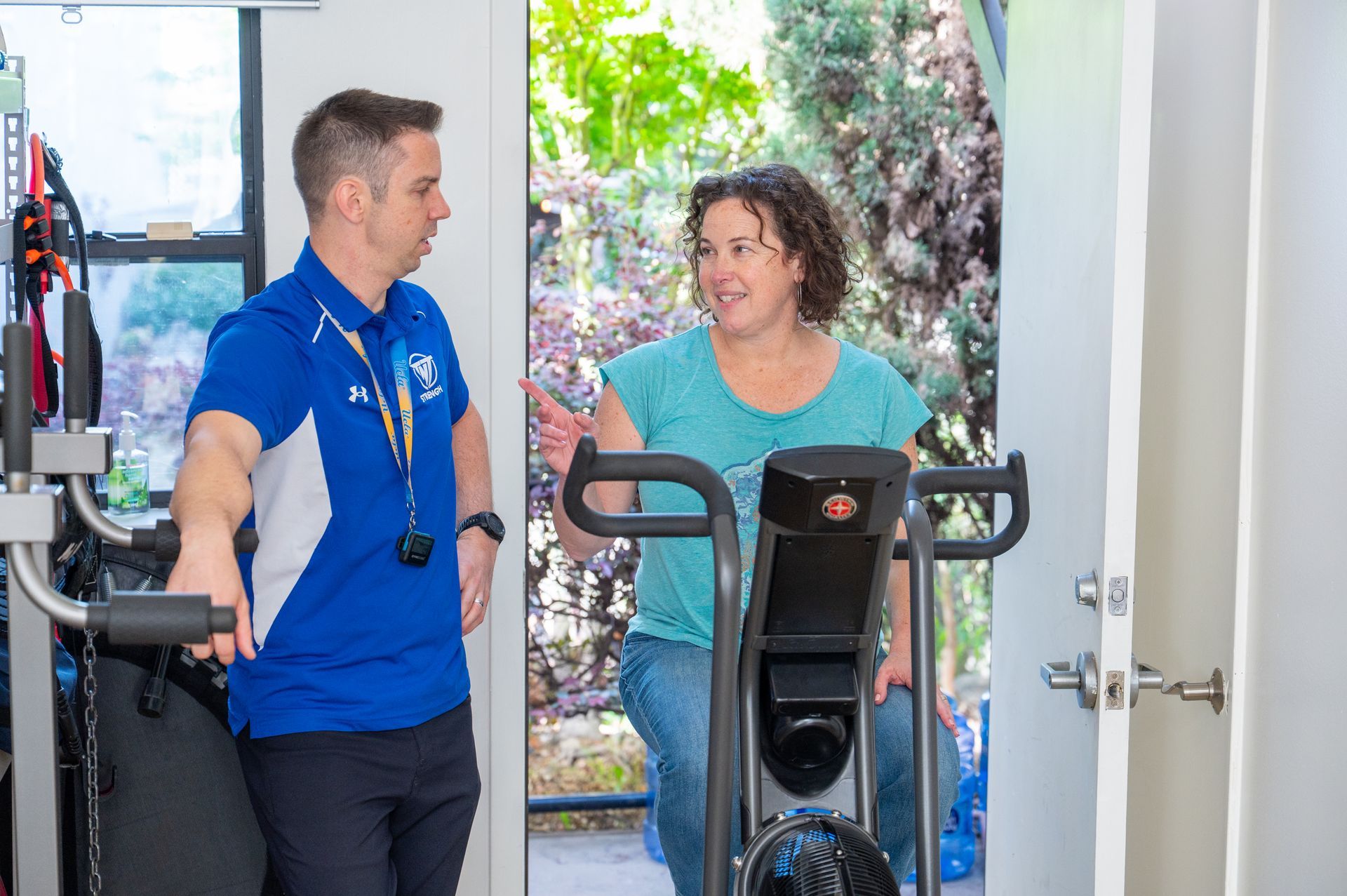
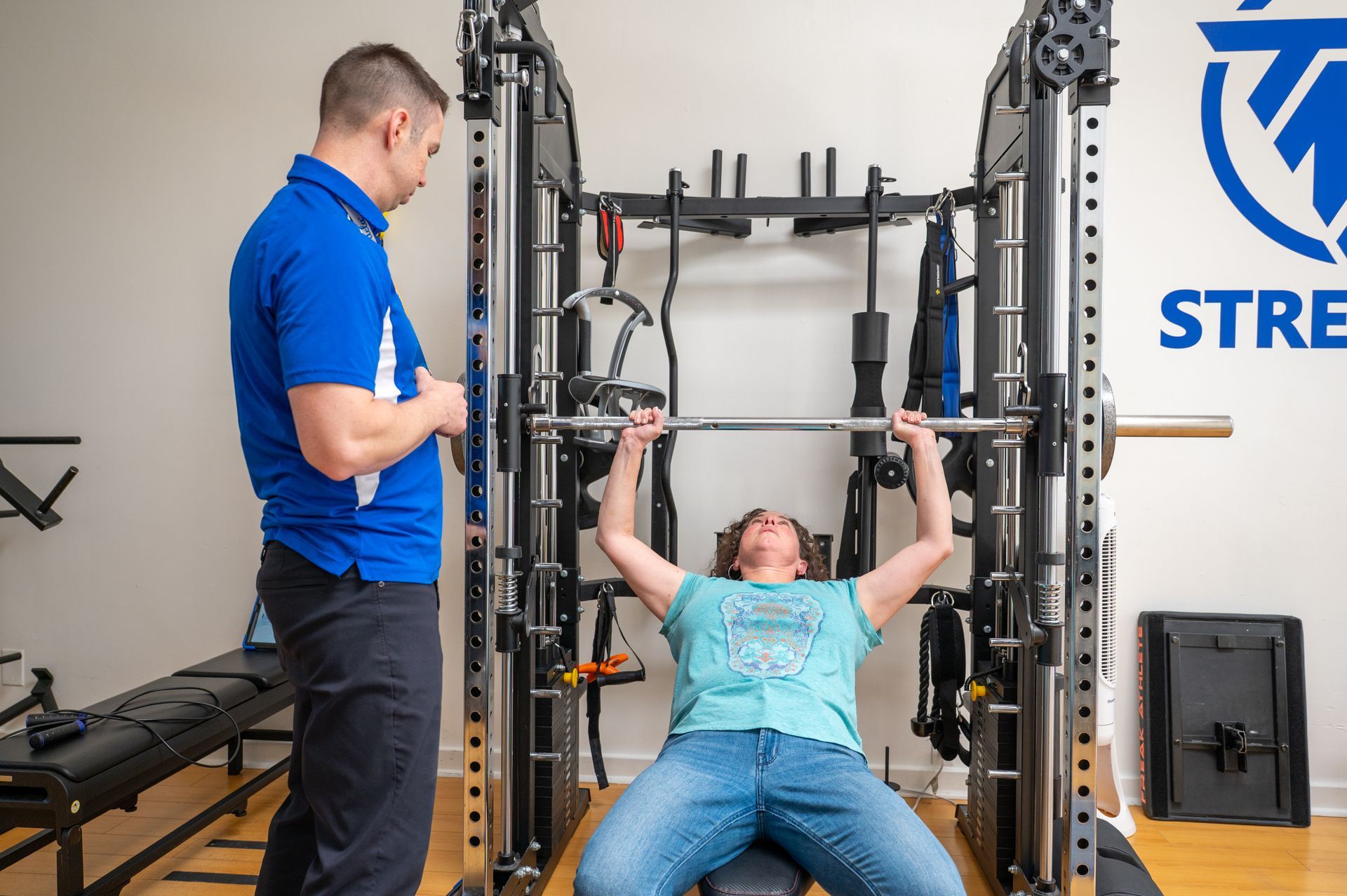
At TNT Strength in Oakland and North Berkeley , we work with active adults, busy professionals, athletes, and everyday people who simply want to move better and feel better for life. Whether you're strength training with us in our Oakland studio, discovered us in North Berkeley, or staying active around the East Bay, joint health matters. When your joints ache, everything gets harder—training, walking, sleeping, and enjoying daily life.
Yes, smart strength training and recovery strategies are powerful. But one of the most overlooked tools for joint health is your nutrition. A well-designed low-carb or ketogenic approach can support lower inflammation, reduce joint pain, and improve overall function— when you fuel your body with the right foods.
Here's how to support your joints, stay active, and continue doing the things you love right here in Oakland, North Berkeley, and beyond.
Foods That Support Strong, Pain-Free Joints
Fatty Fish
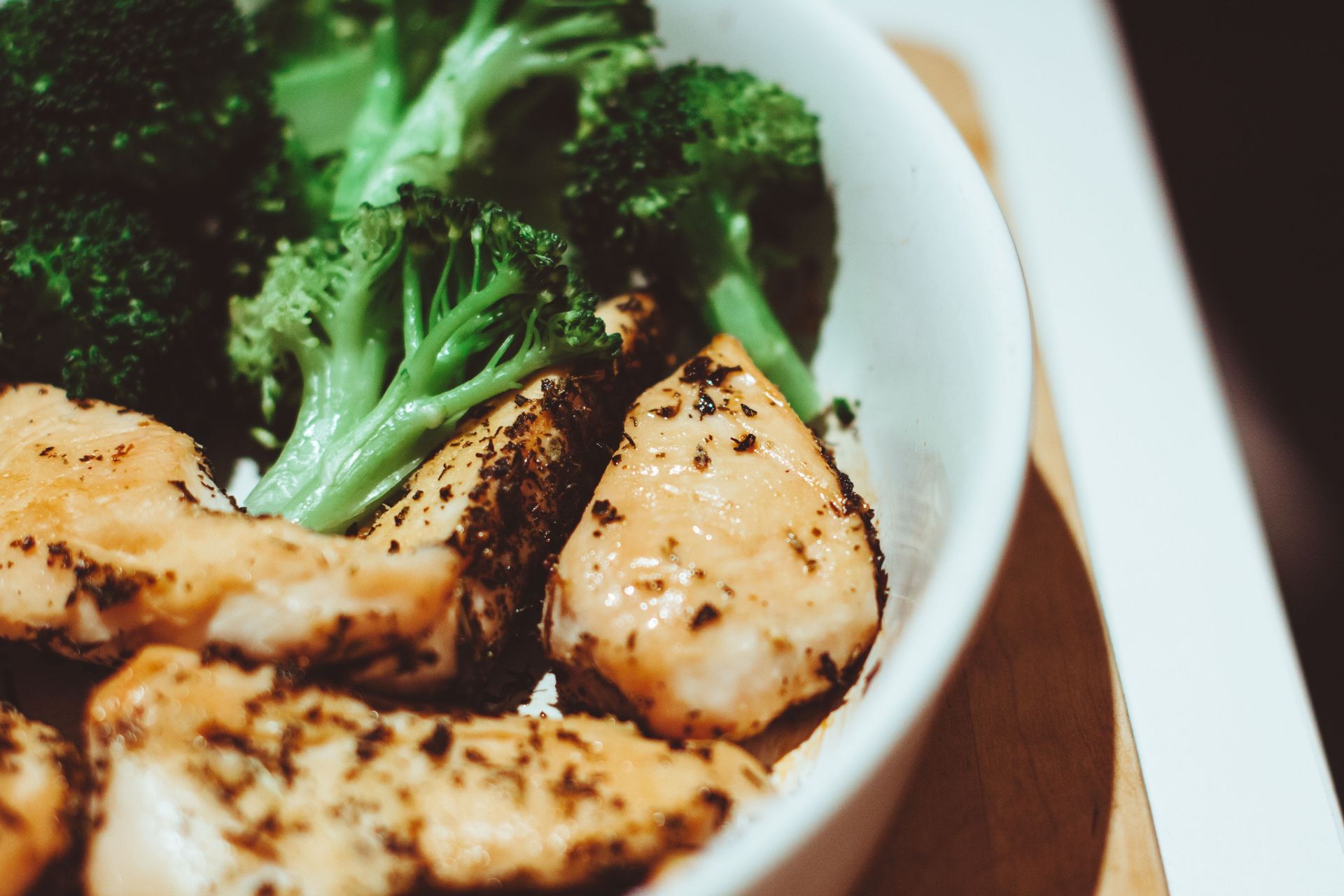
Salmon, sardines, and mackerel are rich in omega-3 fatty acids that help reduce inflammatory compounds. Research shows omega-3s can benefit people dealing with chronic joint pain or arthritis. Think of these as your "joint recovery fuel." You'll find excellent fresh seafood options at local East Bay markets, making it easy to incorporate.
Extra-Virgin Olive Oil
High-quality EVOO contains oleocanthal, a compound with anti-inflammatory effects similar to NSAIDs. Use it on your salads, vegetables, or protein. It adds flavor and function—perfect for meals after a great strength session at TNT Strength in Oakland or North Berkeley.
Avocados
Loaded with healthy fats, antioxidants, and potassium, avocados help fight oxidative stress and inflammation. They're a local favorite here in California—and your joints love them too.
Leafy Green Vegetables
Spinach, kale, Swiss chard, and similar greens are low-carb, nutrient-dense, and packed with antioxidants that support overall joint health and reduce inflammation.
Bone Broth
Rich in collagen, glucosamine, and chondroitin—nutrients linked to cartilage support and joint integrity. A warm mug of broth can be especially comforting on cooler Bay Area mornings.
Berries
Raspberries, blackberries, and other low-carb berries are an antioxidant powerhouse. They help combat inflammation while supporting collagen production—without sending your blood sugar on a rollercoaster ride.
Eggs
Eggs provide vitamin D, high-quality protein, and choline—nutrients important for tissue health and overall recovery.
Turmeric, Ginger, and Rosemary
These herbs and spices add flavor and serious anti-inflammatory power to your meals. Easy to incorporate into everyday cooking whether you're eating at home in Oakland or grabbing groceries in North Berkeley.
Cabbage & Cruciferous Vegetables
Broccoli, cauliflower, cabbage, and Brussels sprouts contain sulforaphane—a compound shown to help reduce inflammation and may support slowing cartilage breakdown.
Foods That Can Make Joint Pain Worse
To get the most benefit from a low-carb or ketogenic lifestyle, and to reduce joint pain and stiffness, it helps to avoid or minimize:
- Refined carbohydrates (white bread, pastries, sugary snacks)
- Sugary beverages (soda, sweetened drinks, juices, milkshakes)
- Processed vegetable oils (canola oil, soybean oil, corn oil, etc.)
- Alcohol
These foods promote inflammation and can worsen joint discomfort—something we see often with many of our TNT Strength Oakland and North Berkeley clients before they clean up their nutrition.
TAKU's Note
There's no miracle cure for joint pain, but your daily nutrition is a powerful tool . By choosing anti-inflammatory, nutrient-dense foods, you're not just easing pain—you're actively supporting long-term strength, mobility, independence, and quality of life.
At TNT Strength Oakland , our mission is to help people move better, feel stronger, and stay active for life. Pair smart strength training with smart nutrition, and your joints will thank you—today and years from now.
Eat with purpose. Train with intention. Stay strong, Oakland and North Berkeley.
—Liam "TAKU" Bauer
TNT Strength Oakland
References
Pinto, A., Bonucci, A., Maggi, E., Corsi, M., & Businaro, R. (2018). Anti-Oxidant and Anti-Inflammatory Activity of Ketogenic Diet: New Perspectives for Neuroprotection in Alzheimer's Disease. Antioxidants, 7 (5).
https://doi.org/10.3390/antiox7050063
Schönenberger, K. A., Schüpfer, A. C., Gloy, V. L., Hasler, P., Stanga, Z., Kaegi-Braun, N., & Reber, E. (2021). Effect of Anti-Inflammatory Diets on Pain in Rheumatoid Arthritis: A Systematic Review and Meta-Analysis. Nutrients, 13 (12), 4221.
https://doi.org/10.3390/nu13124221
Goldberg, R. J., & Katz, J. (2007). A meta-analysis of the analgesic effects of omega-3 polyunsaturated fatty acid supplementation for inflammatory joint pain. Pain, 129 (1-2), 210–223.
https://doi.org/10.1016/j.pain.2007.01.020
Raad, T., Griffin, A., George, E. S., Larkin, L., Fraser, A., Kennedy, N., & Tierney, A. C. (2021). Dietary Interventions with or without Omega-3 Supplementation for the Management of Rheumatoid Arthritis: A Systematic Review. Nutrients, 13 (10), 3506.
https://doi.org/10.3390/nu13103506
Jalili, M., Kolahi, S., Aref-Hosseini, R., Mamegani, M. E., & Hekmatdoost, A. (2014). Beneficial Role of Antioxidants on Clinical Outcomes and Erythrocyte Antioxidant Parameters in Rheumatoid Arthritis Patients. International Journal of Preventive Medicine, 5 (7), 835-840.
https://www.ncbi.nlm.nih.gov/pmc/articles/PMC4124560/
Panche, A. N., Diwan, A. D., & Chandra, S. R. (2016). Flavonoids: An overview. Journal of Nutritional Science, 5.
https://doi.org/10.1017/jns.2016.41
Kunnumakkara, A. B., Sailo, B. L., Banik, K., Harsha, C., Prasad, S., Gupta, S. C., Bharti, A. C., & Aggarwal, B. B. (2018). Chronic diseases, inflammation, and spices: How are they linked? Journal of Translational Medicine, 16.
https://doi.org/10.1186/s12967-018-1381-2
Bustamante, M. F., Agustín-Perez, M., Cedola, F., Coras, R., Narasimhan, R., Golshan, S., & Guma, M. (2020). Design of an anti-inflammatory diet (ITIS diet) for patients with rheumatoid arthritis. Contemporary Clinical Trials Communications, 17.
https://doi.org/10.1016/j.conctc.2020.100524
Alkadi H. (2020). A Review on Free Radicals and Antioxidants. Infectious Disorders Drug Targets, 20 (1), 16–26.
https://doi.org/10.2174/1871526518666180628124323
Landry, M. J., Crimarco, A., & Gardner, C. D. (2021). Benefits of Low Carbohydrate Diets: A Settled Question or Still Controversial? Current Obesity Reports, 10 (3), 409.
https://doi.org/10.1007/s13679-021-00451-z
Della Corte, K. W., Perrar, I., Penczynski, K. J., Schwingshackl, L., Herder, C., & Buyken, A. E. (2018). Effect of Dietary Sugar Intake on Biomarkers of Subclinical Inflammation: A Systematic Review and Meta-Analysis of Intervention Studies. Nutrients, 10 (5).
https://doi.org/10.3390/nu10050606
Mackus, M., Kwon, O., Krishnakumar, I. M., Garssen, J., Kraneveld, A. D., Scholey, A., & Verster, J. C. (2020). The Inflammatory Response to Alcohol Consumption and Its Role in the Pathology of Alcohol Hangover. Journal of Clinical Medicine, 9 (7).
https://doi.org/10.3390/jcm9072081
Schönenberger, K. A., Schüpfer, C., Gloy, V. L., Hasler, P., Stanga, Z., Kaegi-Braun, N., & Reber, E. (2021). Effect of Anti-Inflammatory Diets on Pain in Rheumatoid Arthritis: A Systematic Review and Meta-Analysis. Nutrients, 13 (12).
https://doi.org/10.3390/nu13124221
Hart, M. J., Torres, S. J., McNaughton, S. A., & Milte, C. M. (2021). Dietary patterns and associations with biomarkers of inflammation in adults: A systematic review of observational studies. Nutrition Journal, 20.
https://doi.org/10.1186/s12937-021-00674-9
For more information and tips, see this blog: https://www.tntstrength.com/blog/high-protein-whole-food-meals-to-fight-inflammation
This article is for informational and educational purposes only and is not a substitute for professional medical advice, diagnosis, or treatment.
Experience the TNT Strength difference with a free workout.
START YOUR FITNESS TRANSFORMATION WITH A
FREE WORKOUT
Complete the form and we'll set up an appointment for you.
Recent Articles