H.I.T. vs H.I.I.T.: Two Similar Names, Two Very Different Training Methods
By Liam "TAKU" Bauer | Estimated Reading Time: 8–10 minutes
TL;DR
H.I.T. (High Intensity Strength Training) and H.I.I.T. (High Intensity Interval Training) are often confused because their names sound similar, but they target different physiological adaptations.
H.I.T. at a Glance
- Created and popularized by Nautilus inventor Arthur Jones
- Uses resistance exercise to build strength and muscle
- Focuses on brief, intense, progressive workouts
- Often involves training to momentary muscular failure
- Improves strength, lean mass, bone density, and functional capacity
H.I.I.T. at a Glance
- Uses intervals of hard effort alternated with recovery periods
- Primarily develops cardiovascular and metabolic fitness
- Improves VO₂ max, insulin sensitivity, and work capacity
- Produces significant conditioning benefits in relatively little time
The Truth Not Trends Take: You don't have to choose one or the other.
H.I.T. builds the engine. H.I.I.T. improves how efficiently the engine runs. Combining brief, intelligently programmed sessions of both may represent one of the safest, most efficient, and most effective approaches to total fitness, health, and longevity available today.
What Is H.I.T.?
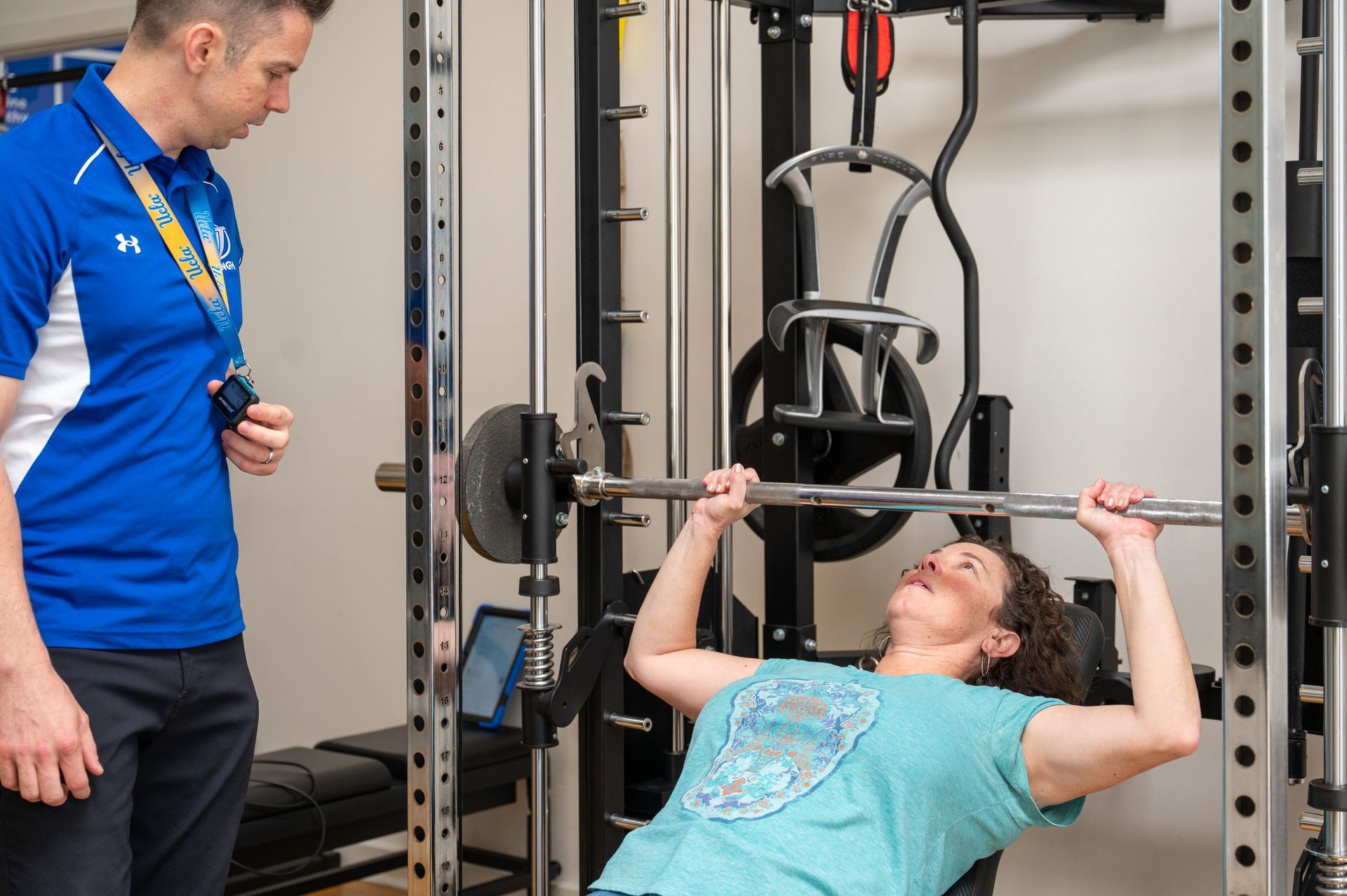
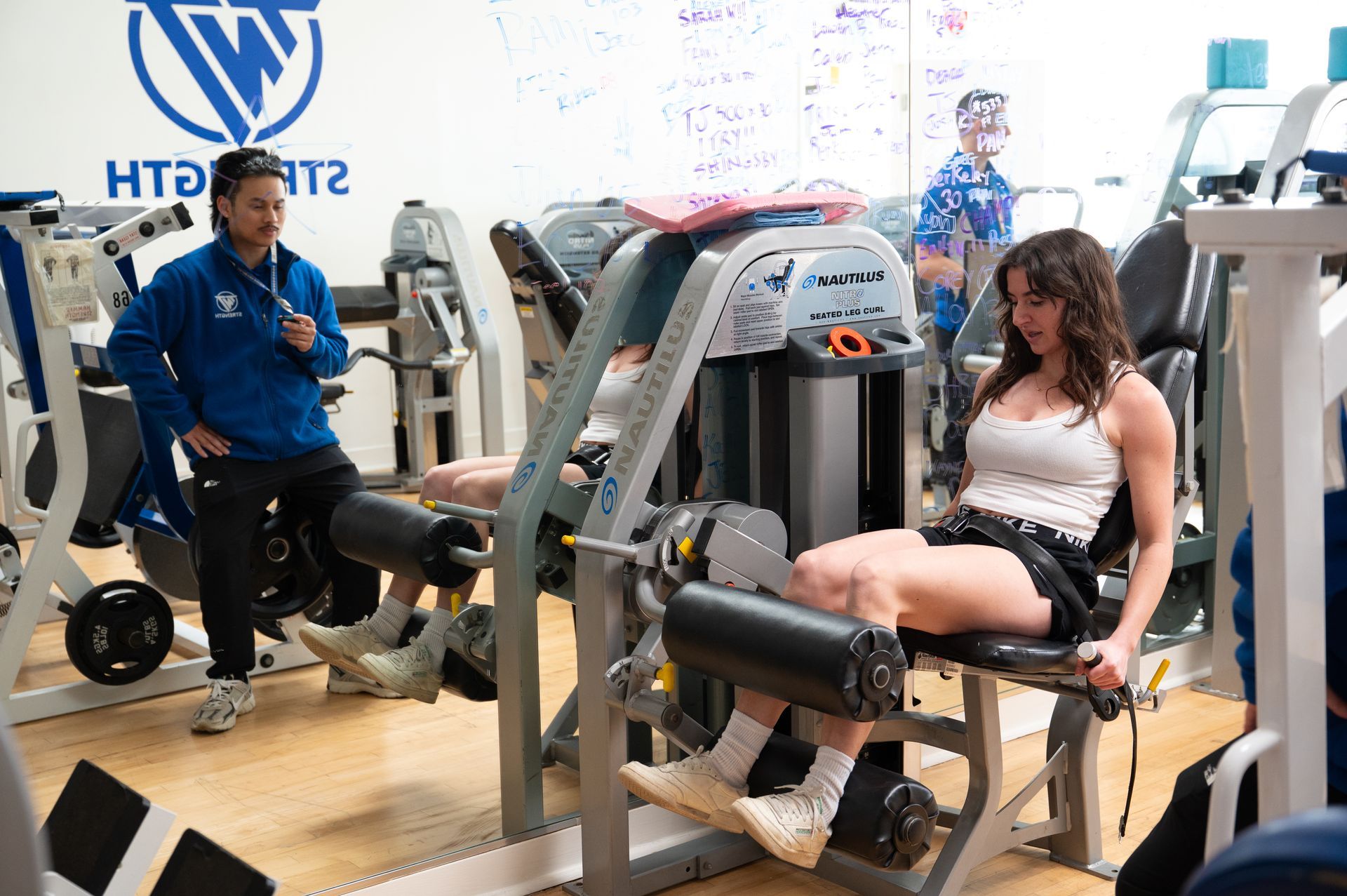
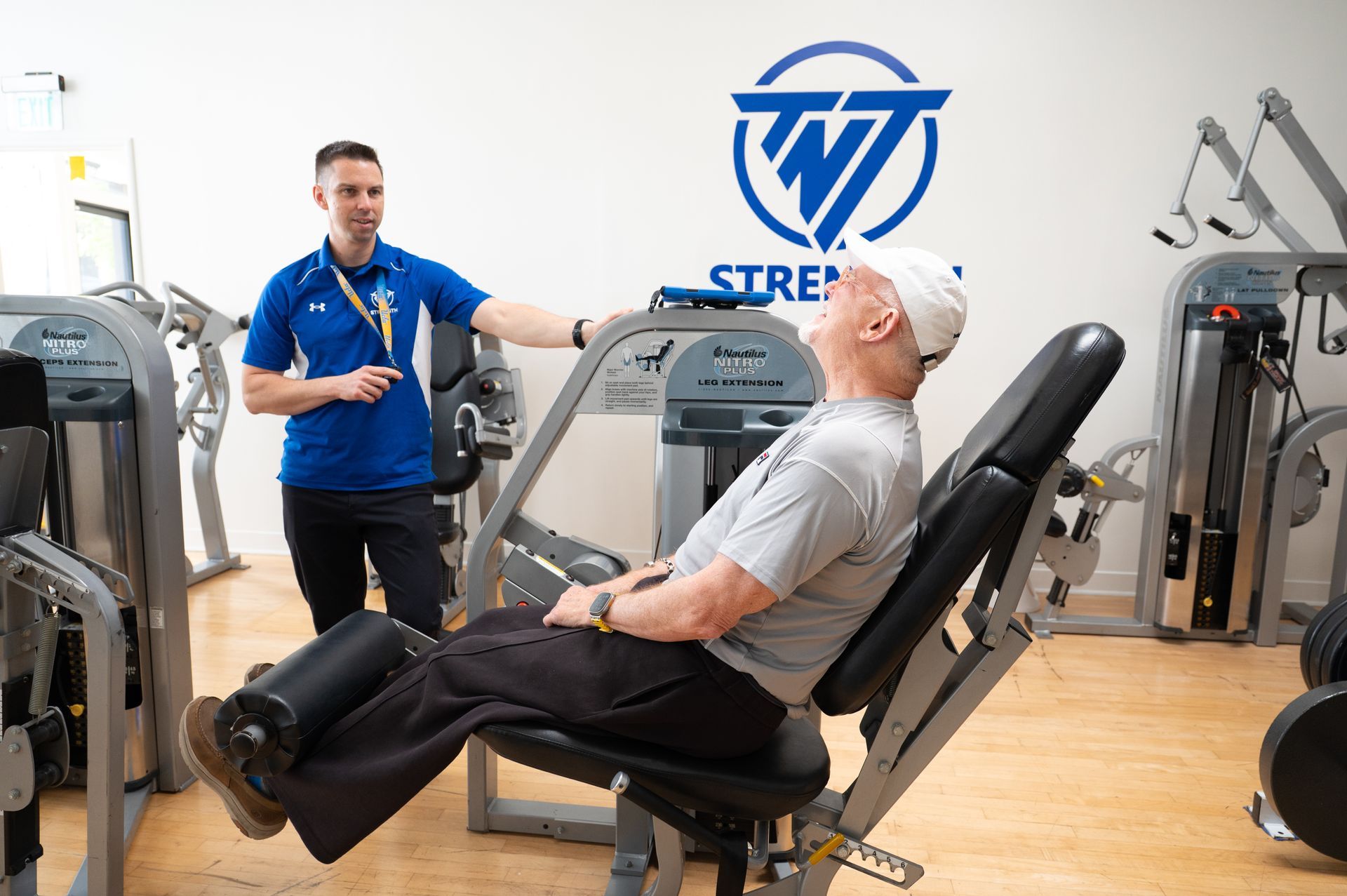
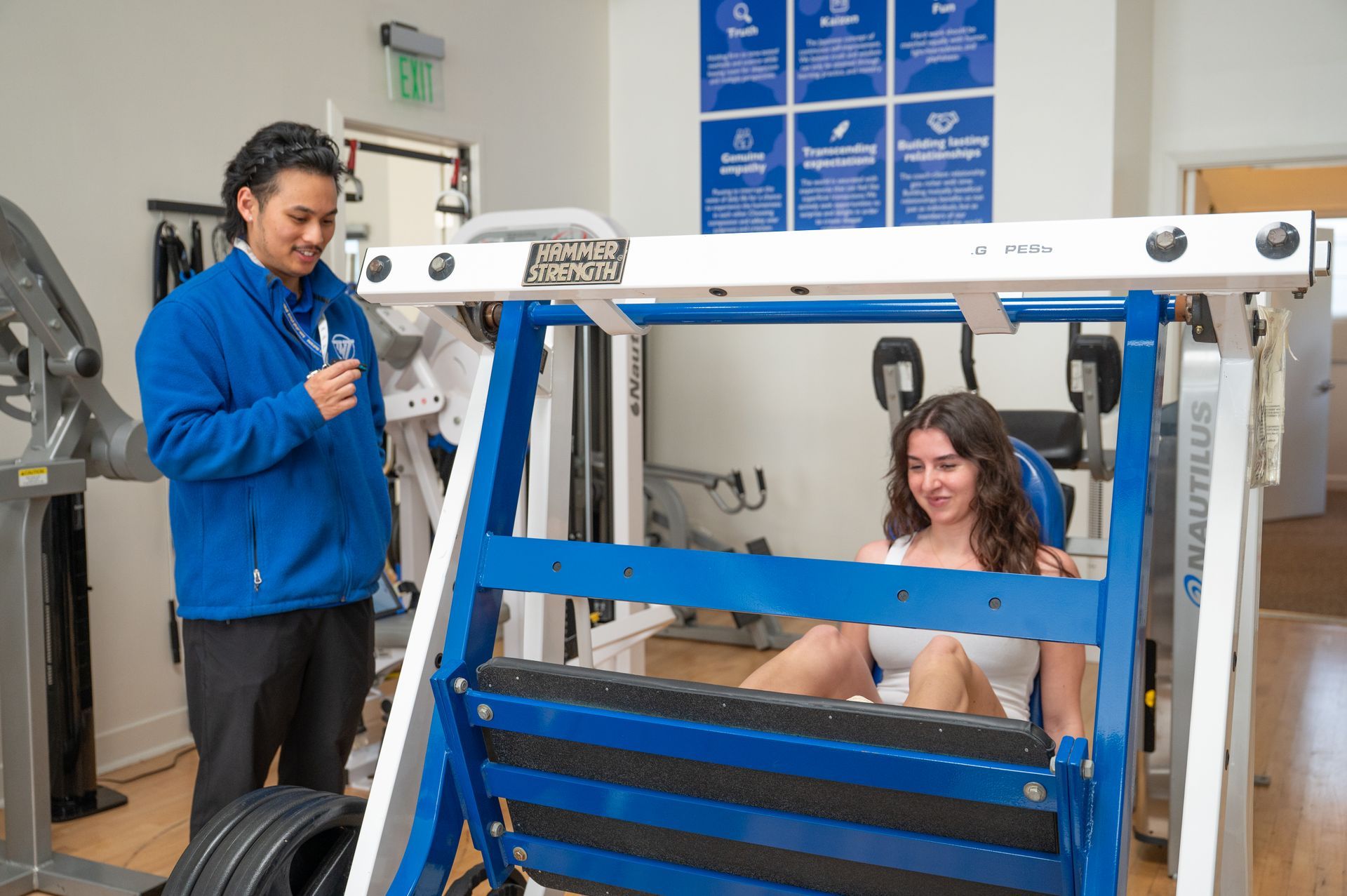
High Intensity Strength Training (H.I.T.) was developed and popularized by Nautilus inventor Arthur Jones in the 1970s.
Jones believed that most people were doing too much exercise and not enough productive exercise.
The principles were simple:
- Brief workouts
- High effort
- Progressive overload
- Controlled exercise performance
- Training to momentary muscular failure
- Adequate recovery between sessions
The objective isn't to be exhausted. The objective is to stimulate muscular adaptation.
A properly performed H.I.T. workout may consist of only 6–10 exercises and last less than 30 minutes. Yet it can effectively improve:
- Muscular strength
- Muscle mass
- Bone health
- Functional capacity
- Insulin sensitivity
- Metabolic health
- Quality of life
At TNT Strength, this philosophy heavily influences our Minimal Effective Dose approach. We want the maximum possible adaptation from the minimum effective amount of exercise.
What Is H.I.I.T.?
High Intensity Interval Training (H.I.I.T.) is primarily a conditioning method. Instead of continuous exercise, you alternate periods of hard work with periods of recovery.
Common Interval Structures
- 30 seconds hard / 90 seconds easy
- 1 minute hard / 2 minutes easy
- 2 minutes hard / 2 minutes easy
Common H.I.I.T. Activities
- Rowing
- Cycling
- Running
- Air bikes
- Swimming
- Sled pushing
The primary goal of H.I.I.T. is improving cardiovascular and metabolic conditioning. Research consistently demonstrates that H.I.I.T. can significantly improve:
- Cardiorespiratory fitness (VO₂ max)
- Blood sugar regulation
- Mitochondrial function
- Blood pressure
- Body composition
- Exercise capacity
- Cognitive performance
And it often does so in less time than traditional steady-state cardio.
H.I.T. vs H.I.I.T.: Side-by-Side Comparison
The names are similar. The adaptations are different.
| Variable | H.I.T. (Strength Training) | H.I.I.T. (Interval Training) |
|---|---|---|
| Primary Goal | Increase strength and muscle | Improve conditioning and aerobic fitness |
| Main System Targeted | Muscular system | Cardiovascular and metabolic systems |
| Exercise Mode | Resistance training | Intervals of Primarily Anaerobic Burst Exercise |
| Effort | Near maximal muscular effort | Near maximal cardiovascular effort |
| Typical Duration | 20-30 minutes | 10-25 minutes |
| Frequency | 1-3 sessions/week | 1-3 sessions/week |
| Key Adaptation | Strength and hypertrophy | VO₂ max and conditioning |
Think of it this way: H.I.T. builds the engine. H.I.I.T. improves how efficiently the engine runs. Both matter.
Why Strength Comes First
Arthur Jones repeatedly emphasized that strength is the foundation of physical function. A stronger body generally:
- Produces more force
- Maintains independence longer
- Better tolerates physical stress
- Preserves lean tissue with aging
- Improves movement capacity
Strength is one of the most powerful predictors of health, resilience, and longevity. You cannot condition weakness. Conditioning built upon a foundation of strength tends to be safer, more efficient, and more sustainable.
Why Conditioning Still Matters
Cardiorespiratory fitness is also strongly associated with health and longevity. Improved conditioning can lead to:
- Better heart health
- Improved recovery capacity
- Greater work capacity
- Better blood sugar control
- Enhanced cognitive function
- Reduced cardiovascular disease risk
Ignoring conditioning entirely leaves an important piece of the health puzzle incomplete.
Why Combining H.I.T. and H.I.I.T. May Be the Ultimate Solution
Here's where things get interesting. You don't have to choose one. They complement each other remarkably well.
A practical weekly schedule might look like this:
Week A
- Monday: H.I.T.
- Wednesday: H.I.I.T.
- Friday: H.I.T.
Week B
- Monday: H.I.I.T.
- Wednesday: H.I.T.
- Friday: H.I.I.T.
Each session can be completed in roughly 15–30 minutes. You develop:
- Strength
- Muscle mass
- Bone density
- Cardiovascular fitness
- Metabolic health
- Functional capacity
And you accomplish all of it while spending a surprisingly small amount of your week exercising. For many people, this combination represents the sweet spot between effectiveness, safety, and efficiency.
The Truth Not Trends Take
The fitness industry often encourages an "either-or" mentality. Strength or cardio. Weights or conditioning. Machines or intervals. Reality is usually more nuanced.
Arthur Jones taught us that brief, intense, properly performed strength training can profoundly improve human performance and health. Modern H.I.I.T. research shows that brief, intense interval conditioning can produce significant cardiovascular adaptations with remarkable time efficiency.
Put them together and you have a system that trains both the muscular and cardiovascular systems while respecting something most people have very little of: Time.
- Train hard.
- Recover well.
- Do only what is necessary.
- Get remarkably strong and remarkably fit.
That sounds like a pretty good deal to me.
TAKU'S NOTE: The fitness industry often makes exercise seem complicated and time-consuming. It doesn't have to be. A few brief, high-quality sessions of H.I.T. and H.I.I.T. each week can help you become stronger, fitter, and healthier while spending remarkably little time exercising. Quality of effort—not quantity of exercise—is usually the deciding factor.
Frequently Asked Questions
Which is better for fat loss?
Neither is inherently superior. Nutrition is the primary driver of fat loss. Both methods help preserve or improve body composition.
Can beginners do H.I.T. and H.I.I.T.?
Yes. Intensity is relative. Both methods can be appropriately scaled.
Should I do H.I.I.T. after strength training?
Usually no. Separating sessions often allows higher quality performance and recovery.
Is H.I.T. the same as circuit training?
No. H.I.T. is resistance training focused on progressive overload and muscular failure. Circuit training is primarily an organizational method.
How much exercise do I need?
Far less than many people think. Brief, high-quality sessions performed consistently can produce remarkable results.
References
Poon ETC, et al. High-intensity interval training and cardiorespiratory fitness in adults: An umbrella review of systematic reviews and meta-analyses. Scandinavian Journal of Medicine & Science in Sports. 2024.
Oliveira A, et al. Effects of high-intensity interval and continuous moderate aerobic training on fitness and health markers of older adults: A systematic review and meta-analysis. Archives of Gerontology and Geriatrics. 2024.
Liu K, et al. The effects of high-intensity interval training on cognitive performance: A systematic review and meta-analysis. Scientific Reports. 2024.
Lock M, et al. Cardiorespiratory fitness and performance adaptations to high-intensity interval training: A systematic review with meta-analyses. Sports Medicine. 2024.
Keating SE, et al. Does high-intensity interval training increase muscle strength, muscle mass, and muscle endurance? A systematic review and meta-analysis. Sports. 2025.
Jones A. Nautilus Bulletin No. 1. Deland, Florida: Nautilus Sports/Medical Industries; 1970.
Jones A, Darden E. The Nautilus Book. Contemporary Books; 1980.
Experience the TNT Strength difference with a free workout.
START YOUR FITNESS TRANSFORMATION WITH A
FREE WORKOUT
Complete the form and we'll set up an appointment for you.
Recent Articles