How to Introduce Kids and Teens to Safe, Effective Strength Training
Estimated Read Time: 7 minutes
TL;DR
Kids and teens can safely and effectively participate in strength training when properly supervised and taught good technique. At TNT Strength in North Berkeley and Oakland's Rockridge district, we specialize in helping young athletes—and non-athletes alike—build strength, confidence, and coordination in a safe, structured way. Forget the myths—research shows strength training helps kids grow stronger, not shorter.
When it comes to introducing strength training to kids and teens, myths and misunderstandings still run rampant. You've probably heard someone say, "Won't lifting stunt their growth?" or "They're too young for resistance training!" The truth is, when done properly, strength training is not only safe for young people—it's one of the best things they can do for their physical and mental development.
At TNT Strength, in North Berkely and the heart of Oakland's Rockridge neighborhood, we believe in helping every person—regardless of age—build strength safely, efficiently, and effectively. For parents, coaches, and educators in the East Bay, that starts with understanding what the science really says about youth strength training.
What the Research Actually Shows
Modern developmental and exercise science has thoroughly debunked the old myths about kids and resistance training. Decades of research show that supervised, well-designed strength programs are both safe and beneficial for children and adolescents.
A landmark review published by the National Strength and Conditioning Association (NSCA) concluded that "appropriately designed resistance training programs are safe and effective for children and adolescents" and can enhance muscular strength, bone density, motor skill performance, and injury resistance (Faigenbaum et al., 2009).
Similarly, the American Academy of Pediatrics (AAP) supports youth participation in properly supervised strength training programs, noting that the risks are no greater than those of other sports or physical activities when good technique and progressive overload are applied (AAP Council on Sports Medicine and Fitness, 2008).
In fact, the biggest risk isn't strength training—it's the lack of it. Early exposure to proper resistance work supports strong bones, resilient joints, and healthy movement patterns that carry into adulthood.
Start with Movement Mastery
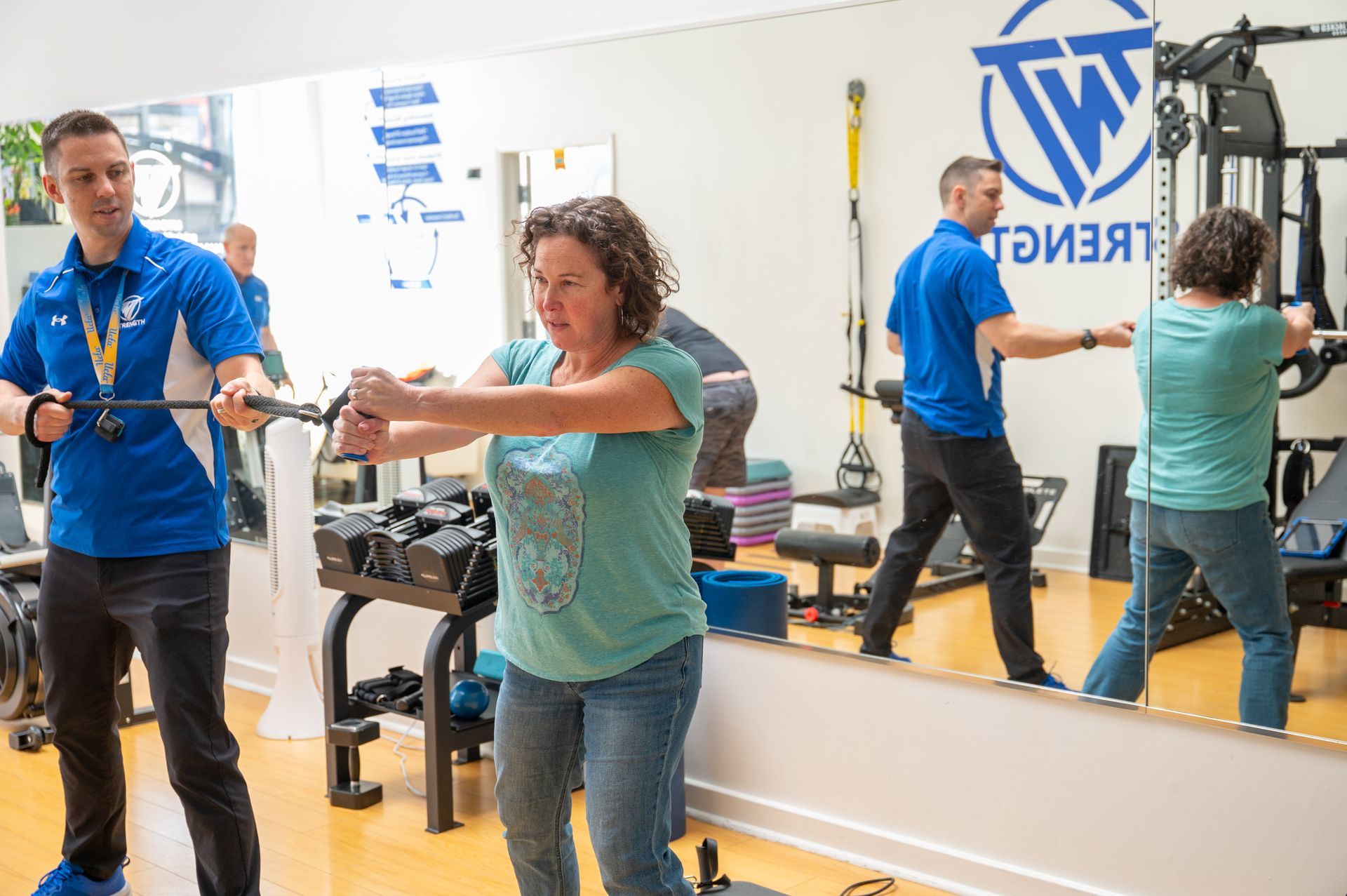
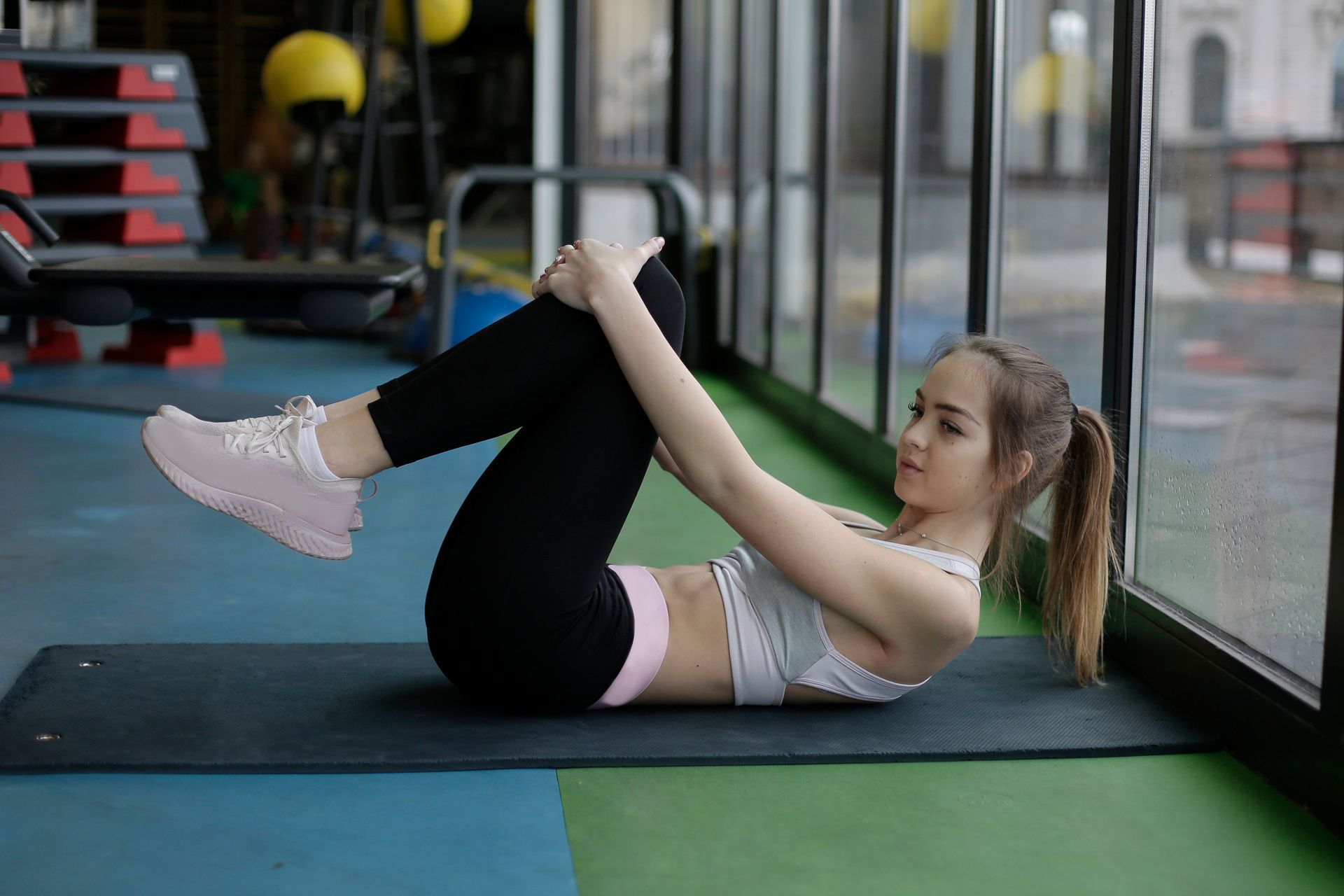
Before a child ever touches a dumbbell or machine, they need to master the basics of body control. That means focusing on bodyweight movements—push-ups, planks, squats, lunges, pull-ups, and carries. These help build coordination, balance, and confidence.
Once they can demonstrate consistent control and posture, you can introduce light resistance—bands, medicine balls, or weight machines scaled for their size. Free weights can come later, provided supervision and form are prioritized.
The goal isn't to "lift heavy"—it's to move well. Every rep is an opportunity to practice awareness, focus, and discipline.
Guidelines for Safe, Effective Youth Strength Training
Here's how we at TNT Strength recommend structuring a youth program:
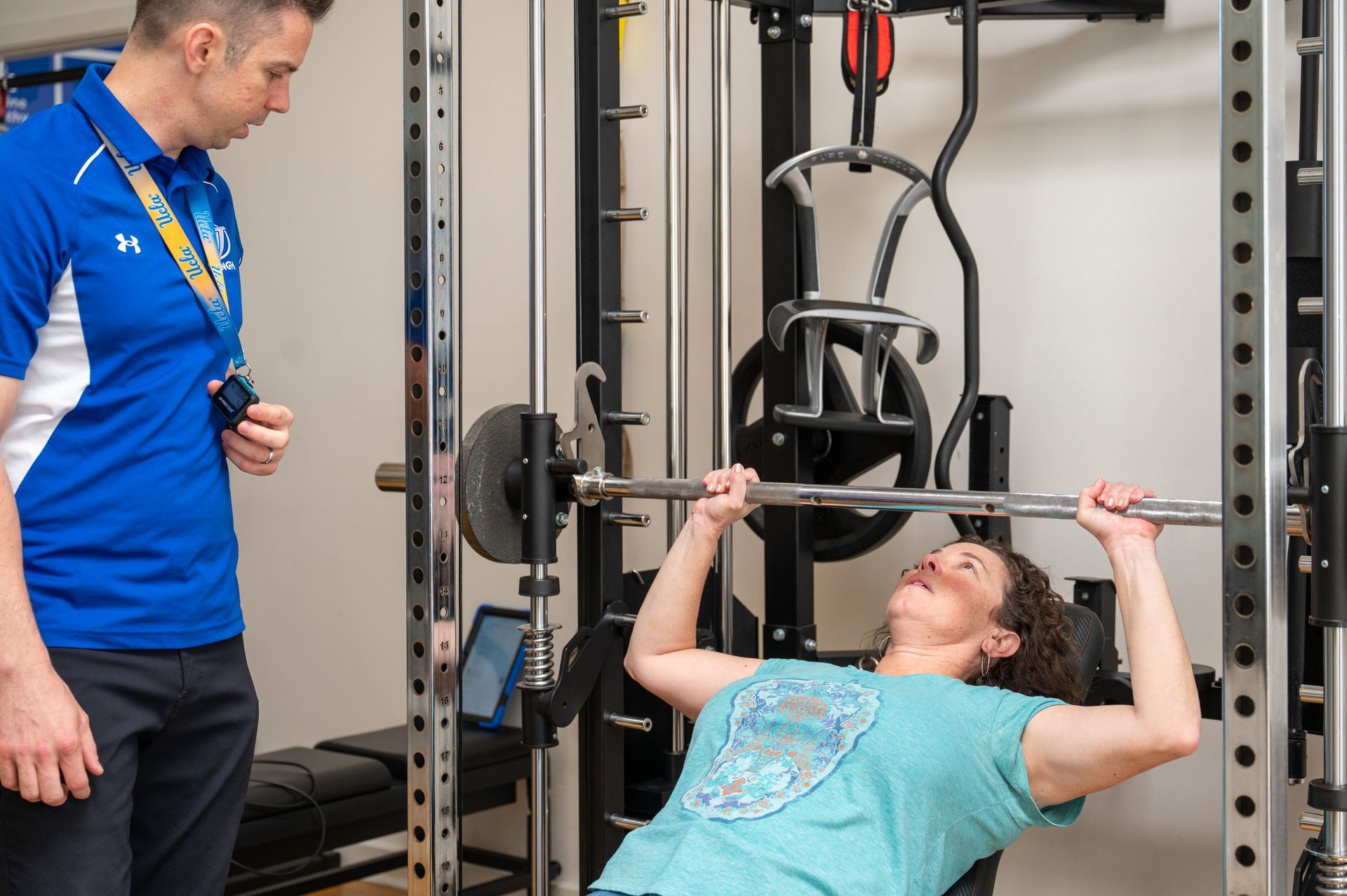
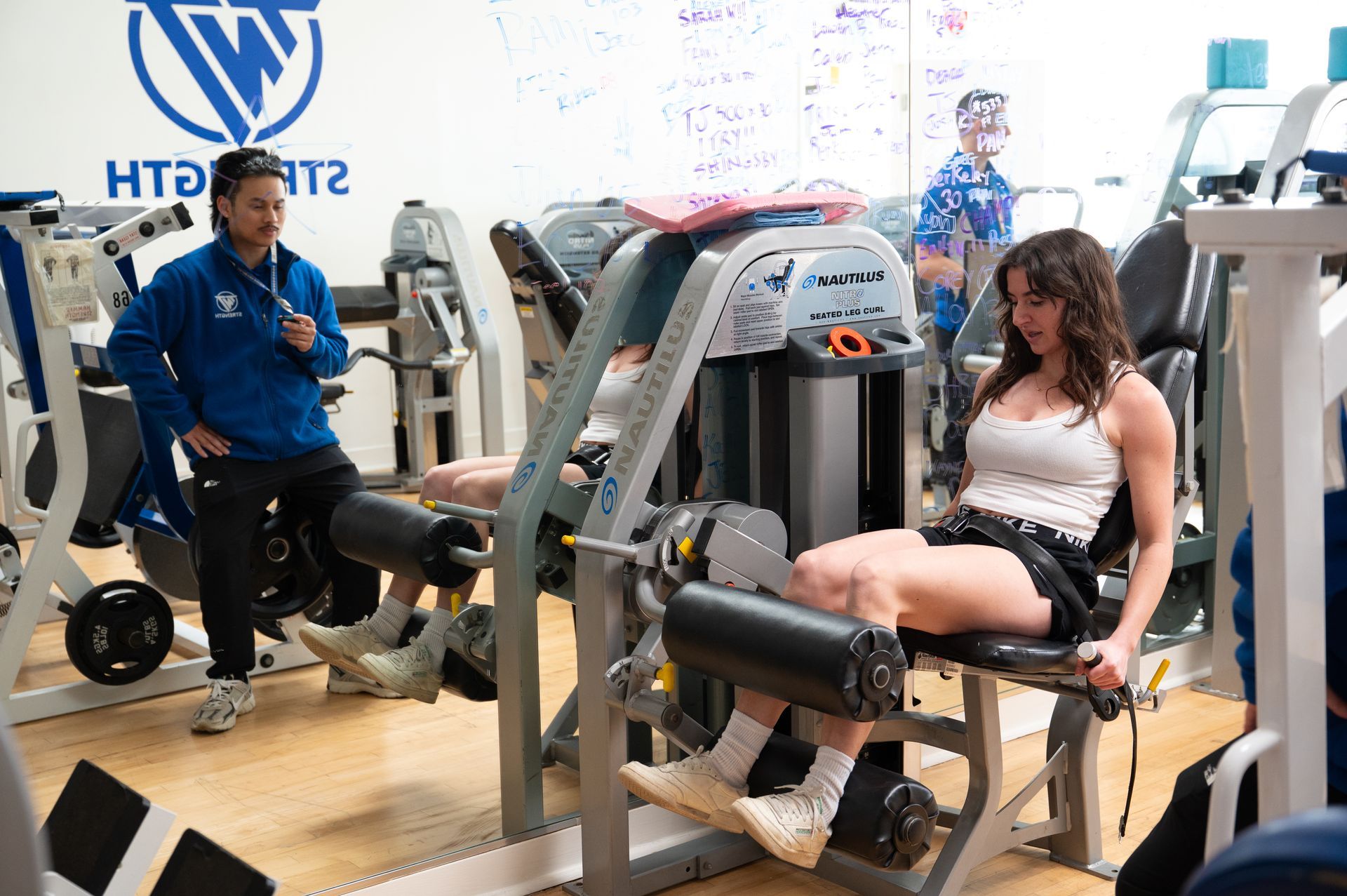
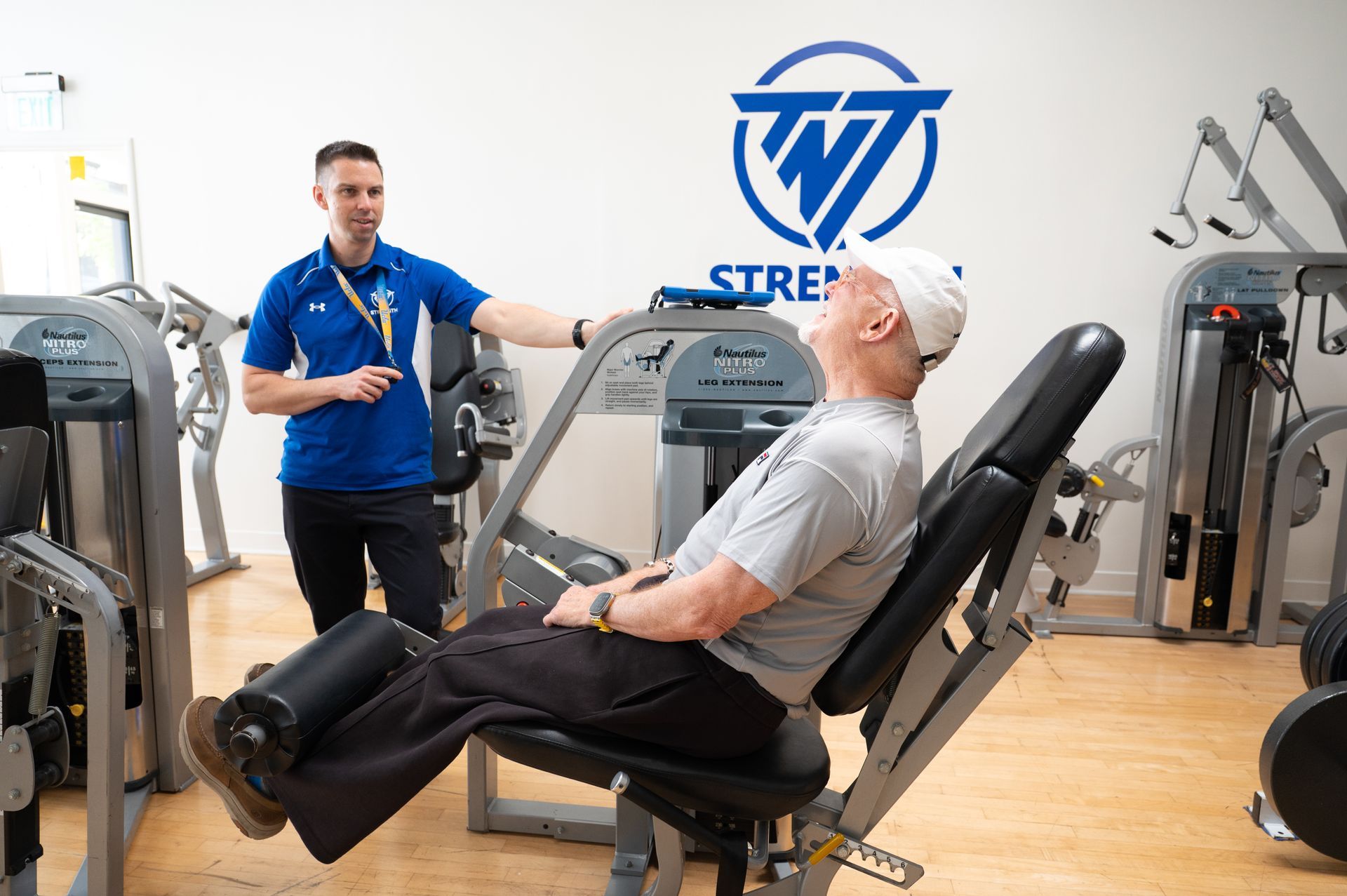
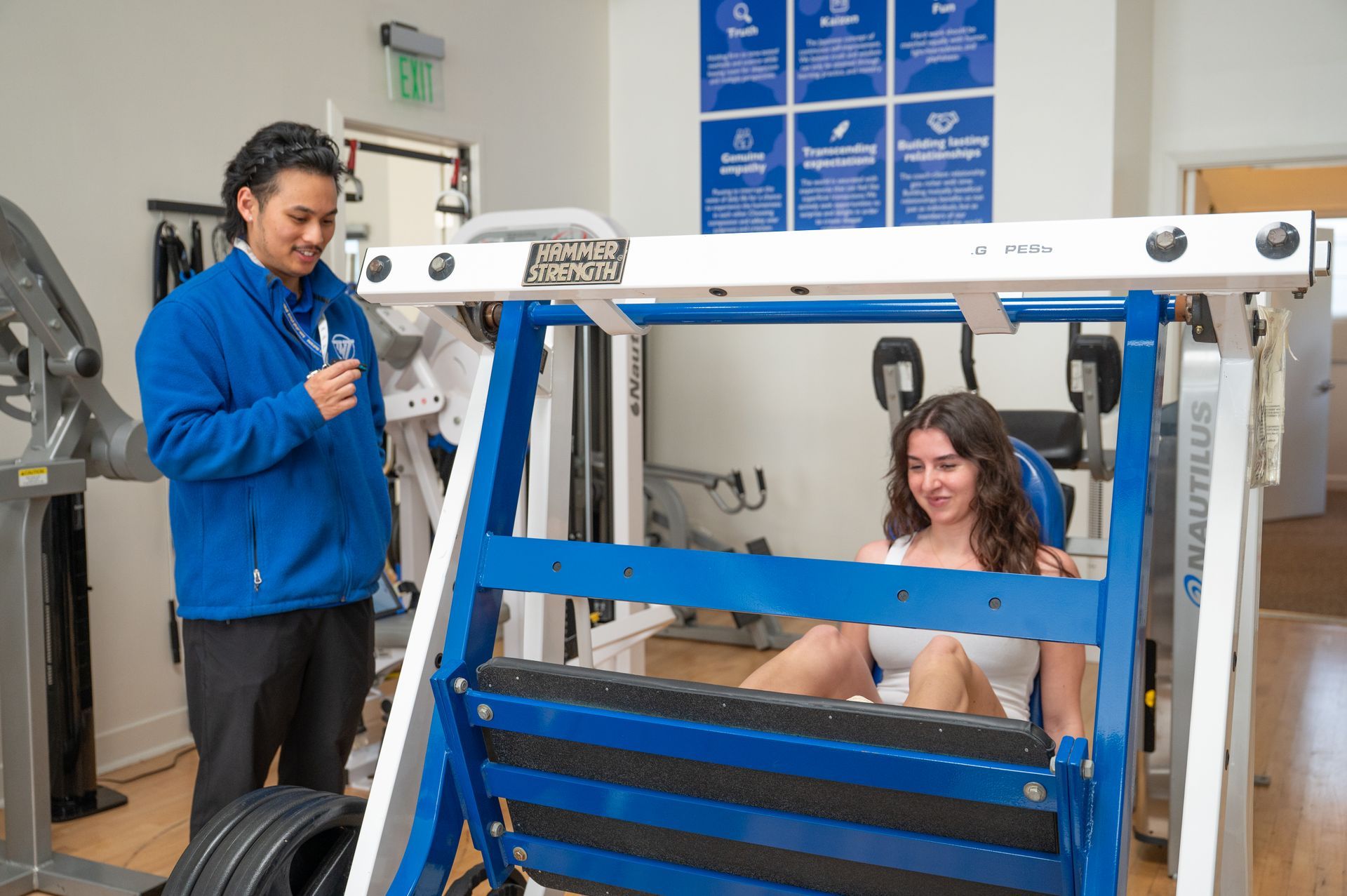
- Supervision Matters: Every session should be directly supervised by a qualified adult who understands both exercise technique and developmental differences.
- Focus on Technique: Quality reps over quantity. Form is the foundation.
- Frequency: Two to three sessions per week are plenty, with at least one rest day between.
- Progress Slowly: Gradually increase resistance only after mastering movement quality.
- Keep It Fun: Especially for younger kids—games, circuits, and challenges keep engagement high.
- Include All Major Muscle Groups: Balanced strength across the body prevents injury and supports posture.
- Track Progress: Celebrate improvements in strength, endurance, and consistency—not just numbers on the bar.
At our North Berkeley and Oakland training studio on College Avenue, we often see parents training alongside their teens—it creates a supportive family environment where healthy habits grow together. Strength becomes a shared experience.
The Developmental Edge
From a developmental standpoint, resistance training helps more than just muscles—it strengthens bones and connective tissue, enhances motor learning, and boosts self-esteem.
During puberty, natural surges in hormones like testosterone and growth hormone amplify adaptation. Training during this period helps set the stage for a lifetime of strength and resilience.
Even more compelling, studies show that youth who engage in resistance training have lower injury rates when they later participate in competitive sports (Faigenbaum & Myer, 2010).
So rather than worrying about whether your child "should" strength train, the better question is: Why wouldn't they?
Building Habits That Last a Lifetime
The goal isn't to create miniature athletes or weightlifters—it's to build confidence, coordination, and a positive relationship with movement. Kids who enjoy training are far more likely to stay active as adults.
If you're a parent in North Berkeley, Rockridge, Temescal, or Montclair looking to introduce your child to structured, science-based training, TNT Strength offers customized programs designed to grow with them—from foundational movement skills to athletic performance and beyond.
TAKU's Note
At TNT Strength, we often say: Discipline beats motivation. By introducing kids to structured, safe, and rewarding training early, you're not just teaching them how to lift—you're showing them how to thrive.
At TNT Strength, we help people of all ages and abilities train smarter, recover better, and live stronger. Whether you're 15 or 75, the principles of safe, effective strength training remain the same—just scaled to meet you where you are.
FAQ: Youth Strength Training at TNT Strength (Oakland, CA)
Q: At what age can kids start strength training?
A: Most kids can begin structured training around ages 7–8, once they can follow directions and demonstrate basic body awareness.
Q: Is youth strength training safe?
A: Absolutely. When properly supervised and focused on technique, strength training is one of the safest physical activities for kids—safer than soccer, basketball, or gymnastics.
Q: Does TNT Strength offer programs specifically for teens?
A: Yes. Our Teen Strength Foundations Program is designed for adolescents aged 13–18, focusing on strength, posture, coordination, and confidence—all in a supportive environment in Rockridge, Oakland.
Q: Will my child "bulk up"?
A: Not unless they train and eat specifically for that goal. Most young trainees experience improved muscle tone, posture, and athletic performance—not excessive size.
Q: Can parents train alongside their kids?
A: Definitely! We encourage it. Many Oakland-area families find that training together at TNT Strength creates accountability and strengthens bonds—literally and figuratively.
References
- Faigenbaum, A. D., Kraemer, W. J., Blimkie, C. J. R., et al. (2009). Youth Resistance Training: Updated Position Statement Paper From the National Strength and Conditioning Association. Journal of Strength and Conditioning Research, 23(Suppl 5), S60–S79.
- American Academy of Pediatrics Council on Sports Medicine and Fitness. (2008). Strength Training by Children and Adolescents. Pediatrics, 121(4), 835–840.
- Faigenbaum, A. D., & Myer, G. D. (2010). Resistance Training among Young Athletes: Safety, Efficacy and Injury Prevention Effects. British Journal of Sports Medicine, 44(1), 56–63.
- Lloyd, R. S., et al. (2014). National Strength and Conditioning Association Position Statement on Long-Term Athletic Development. Journal of Strength and Conditioning Research, 28(6), 1491–1509.
Experience the TNT Strength difference with a free workout.
START YOUR FITNESS TRANSFORMATION WITH A
FREE WORKOUT
Complete the form and we'll set up an appointment for you.
Recent Articles