Designing The Ultimate Nutrition Plan For Managing Rheumatoid Arthritis
TAKU • June 28, 2023
BY TAKU
Introduction:
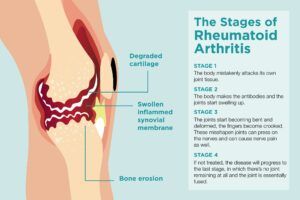
Rheumatoid arthritis (RA) is a chronic autoimmune disease that primarily affects the joints, causing pain, stiffness, and inflammation. While there is no definitive cure for RA, adopting a well-balanced nutrition plan can significantly help manage its symptoms and improve overall well-being. In this article, we will explore the best nutrition strategies to support individuals living with rheumatoid arthritis.
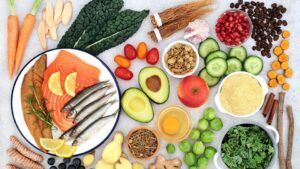
- Emphasize Anti-Inflammatory Foods: Focusing on an anti-inflammatory Personal Eating Plan can be beneficial for individuals with rheumatoid arthritis. Incorporate low sugar fruits and vegetables such as berries, leafy greens, and cruciferous vegetables (e.g., broccoli, cauliflower). These foods are rich in antioxidants and phytochemicals that help combat inflammation. Don't forget to include other calcium-rich foods like leafy greens, raw dairy (if tolerated) to support bone health.
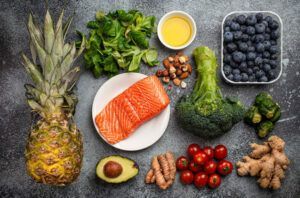
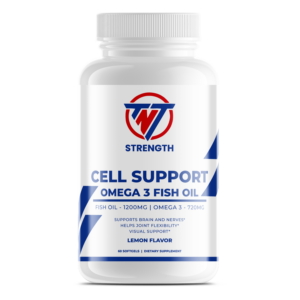
- Incorporate Nutrient-Rich Protein Sources: Ensure your nutrition plan includes a wide variety of nutrient-dense foods to provide essential vitamins and minerals. Include sources of high-quality proteins like grass fed beef, free range poultry, wild caught fish, pastured eggs. Additionally, include omega-3 fatty acids found in fatty fish (salmon, sardines) or plant-based sources like chia seeds, flaxseeds, and walnuts, as they possess anti-inflammatory properties.
- Monitor Your Gut Health: Emerging research suggests a link between gut health and rheumatoid arthritis. Incorporating probiotic-rich foods like yogurt, kefir, sauerkraut, and kimchi can enhance the diversity of beneficial gut bacteria, potentially reducing inflammation. Additionally, including prebiotic foods like garlic, onions, and asparagus can promote the growth of healthy gut bacteria.
- Limit Trigger Foods: While certain foods can exacerbate inflammation, it is essential to identify personal trigger foods through trial and error. Common culprits include processed foods, refined sugars, saturated and trans fats, and excessive consumption of omega-6 fatty acids found in vegetable oils. It's crucial to listen to your body and observe how certain foods affect your RA symptoms. If necessary, work with a registered dietitian to identify and eliminate trigger foods.

- Maintain a Healthy Weight: Maintaining a healthy weight is crucial for managing rheumatoid arthritis. Excess weight places additional strain on joints, worsening pain and inflammation. By incorporating a balanced nutrition plan and meaningful exercise such as safe efficient strength training, you can achieve and maintain a healthy weight, reducing the burden on your joints and improving overall well-being.

- Stay Hydrated: Proper hydration is often overlooked but plays a significant role in supporting joint health. Drink an adequate amount of water throughout the day to keep your body hydrated. Limit or avoid sugary beverages, as they may contribute to inflammation and weight gain.
Conclusion:
While nutrition alone cannot cure rheumatoid arthritis, adopting a well-balanced nutrition plan can significantly help manage symptoms, reduce inflammation, and improve overall quality of life. Emphasize anti-inflammatory foods, incorporate nutrient-rich options, monitor gut health, identify trigger foods, maintain a healthy weight, and stay hydrated. Remember, consult with a healthcare professional or registered dietitian to develop a personalized nutrition plan that suits your specific needs and medical condition. By making informed dietary choices, you can take an active role in managing your rheumatoid arthritis and promoting overall well-being.
RA Research:
- A study published in the Journal of the American College of Nutrition in 2017 investigated the effects of an anti-inflammatory diet on rheumatoid arthritis. The study found that participants following an anti-inflammatory diet experienced significant reductions in disease activity and improvements in symptoms compared to those following a typical Western diet. ______________________________________________________________________________
- In a randomized controlled trial published in the journal Arthritis Research & Therapy in 2018, researchers examined the impact of a Mediterranean diet on patients with rheumatoid arthritis. The study demonstrated that participants who followed the Mediterranean diet experienced improvements in disease activity, pain, and physical function, along with a reduction in inflammatory markers. ______________________________________________________________________________
- A systematic review and meta-analysis published in the journal Nutrition in 2018 analyzed the impact of omega-3 fatty acid supplementation on rheumatoid arthritis. The review concluded that omega-3 fatty acid supplementation reduced disease activity and decreased the need for non-steroidal anti-inflammatory drugs (NSAIDs) in patients with rheumatoid arthritis. ______________________________________________________________________________
- In a study published in the journal Nutrition & Metabolism in 2018, researchers investigated the effects of a plant-based, gluten-free diet on patients with rheumatoid arthritis. The study found that participants following the plant-based, gluten-free diet experienced significant improvements in disease activity, pain, and quality of life compared to those following a typical Western diet. ______________________________________________________________________________
- A randomized controlled trial published in the journal Rheumatology International in 2019 examined the effects of a low-glycemic index diet on patients with rheumatoid arthritis. The study showed that participants following the low-glycemic index diet experienced improvements in disease activity, inflammation markers, and insulin resistance compared to those on a control diet. ______________________________________________________________________________
- A systematic review and meta-analysis published in the journal Frontiers in Nutrition in 2020 assessed the impact of probiotics on rheumatoid arthritis. The review found that probiotic supplementation significantly reduced disease activity and inflammation in patients with rheumatoid arthritis. ______________________________________________________________________________
- A study published in the journal Nutrition Research in 2021 investigated the effects of a Whole-Food, Mediterranean-style diet on patients with rheumatoid arthritis. The study demonstrated that participants following a Whole Food, Mediterranean-style diet experienced improvements in disease activity, pain, and physical function, along with a decrease in inflammatory markers.
TAKU's NOTE:
These studies provide compelling evidence supporting the effectiveness of anti-inflammatory nutrition plans, such as Whole Food based diets which prioritize high quality protein, avoid sugar and processed carbohydrates. Consider supplementation with omega-3 fatty acids and probiotics to assist in managing rheumatoid arthritis symptoms and reducing inflammation. However, it's important to consult with a healthcare professional or registered dietitian before making any significant dietary changes to ensure it aligns with your individual needs and medical condition.
Experience the TNT Strength difference with a free workout.
START YOUR FITNESS TRANSFORMATION WITH A
FREE WORKOUT
Complete the form and we'll set up an appointment for you.
Recent Articles

Protein and fat are essential nutrients that build your body's structure, while carbs are just fuel. Learn why macros matter for strength training and health.

A viral headline says you need 10 hours of exercise a week for heart health. TNT Strength's Liam "TAKU" Bauer breaks down the real study and the H.I.T. + H.I.I.T. alternative.

Fast fat loss almost always rebounds. Learn why crash diets fail Rockridge & North Berkeley clients, and how TNT Strength builds sustainable fat loss through strength training and nutrition.

TNT Strength Oakland breaks down why muscular strength and muscular endurance aren't separate qualities — build strength the right way and endurance follows automatically.

Simple, high-protein meals from TNT Strength Oakland to help fight inflammation, build muscle, and support joint health. Recipes, snacks, and FAQs inside.

Why "Interspersed Stretching" may be the missing link in your workout. Learn why stretching before lifting can hurt performance, and the smarter approach TNT Strength recommends.
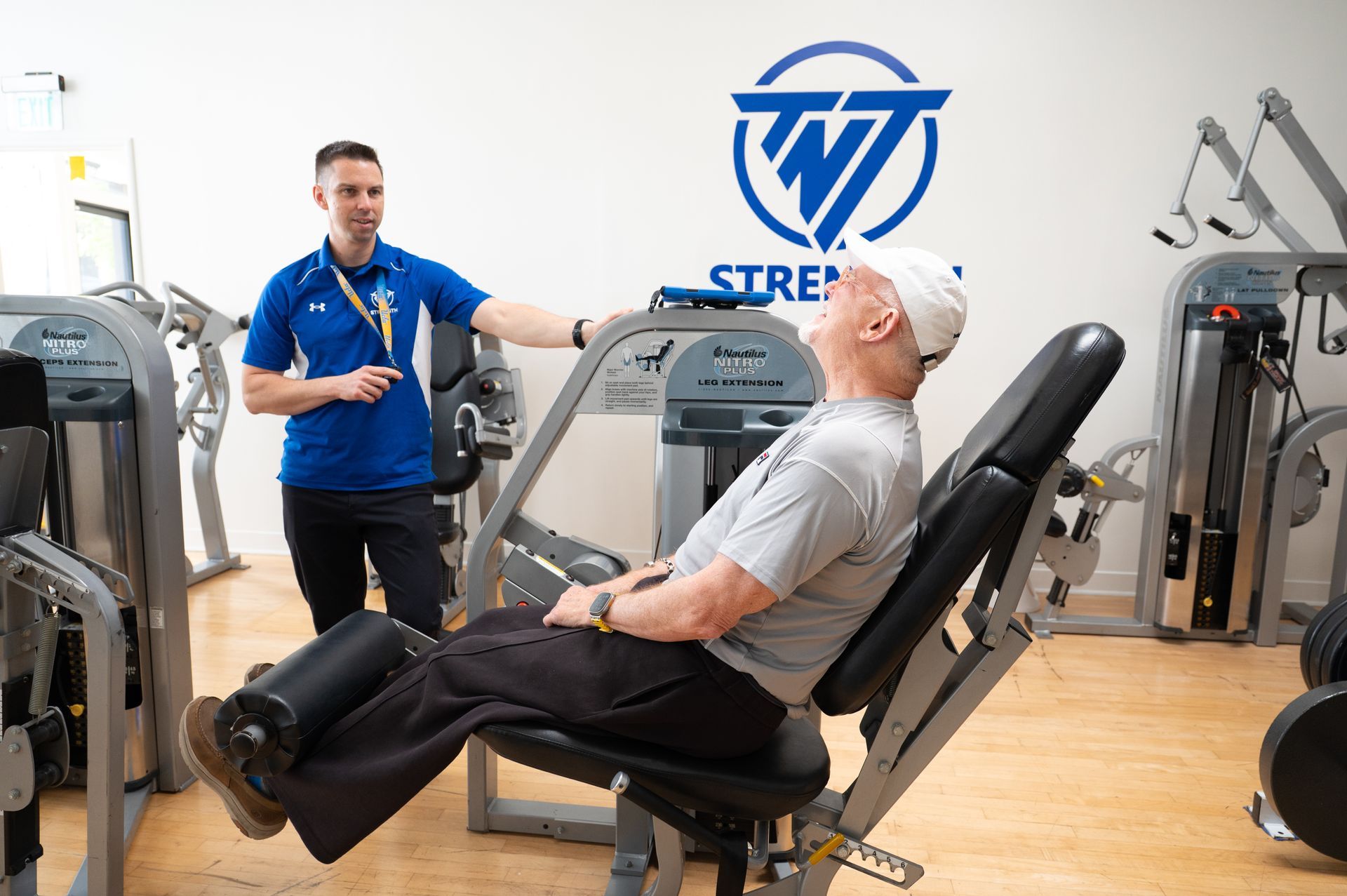
Discover why TNT Strength's Minimal Effective Dose approach delivers better strength, recovery, and results than high-volume training for busy Oakland-area lifters.

Discover how anti-inflammatory, low-carb nutrition supports joint health and reduces pain. TNT Strength shares food tips for active adults in Oakland & North Berkeley.

TAKU Bauer of TNT Strength breaks down the science on Creatine Monohydrate — strength, muscle, recovery, brain health, and healthy aging benefits for North Berkeley, Oakland, and Piedmont clients.