Functional Isometrics: ParT One
By TAKU
This weeks podcast features an interview with Shawn Bennett developer of the One Rep Gym and a form of Static Contraction Training called Measured Intensity Training.

Static or isometric style strength training has probably been around in one form or another, since the dawn of man. Some see it as a tool only to be used to pass sticking points or as an adjunct to “real” strength training. While others use it as their only form of improving muscular performance. Still, for many the whole concept of training statically may seem strange or appear quite revolutionary. Which ever camp you belong to I assure you that Static / Isometric style training is highly effective and can be quite simple to implement with just a little practice. Lets investigate with a little Q&A:
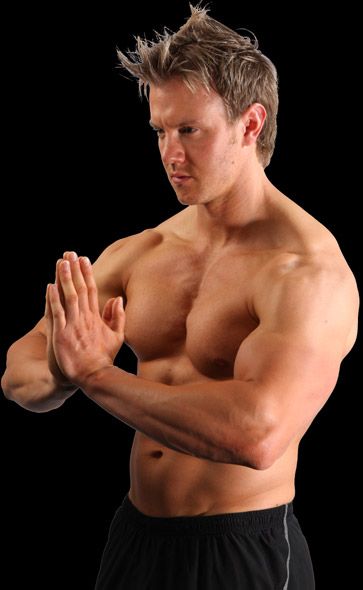
Q: What are isometrics?
A: Isometric training refers to exerting strength without movement. The most classic form of isometric training is pushing or pulling an immovable load.
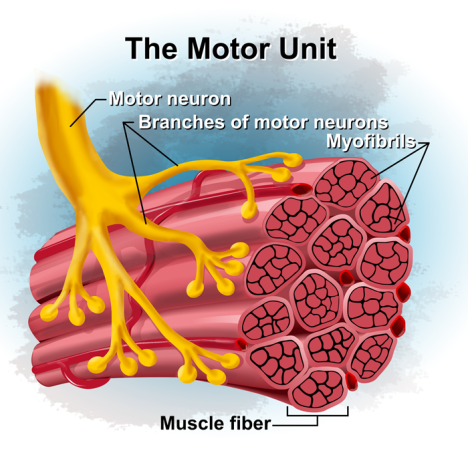
Q: Why include any form of isometrics?
A: You actually recruit more motor-units during an isometric action than during a concentric action.
Q: If isometric training is so good, why doesn’t everyone use it?
A: Actually many people use isometric or static training in a variety of applications. However, there are two main problems with pure isometric training:
1. It’s impossible to quantify progress. Since you’re not moving a load, you don’t know if you’re improving or if you’re exerting maximal effort or not. This creates problems with accurately determining progression which may lead to diminished motivation.
2. Isometric training may be angle specific, meaning that it’s possible you’ll gain strength only at the joint angles being worked. (Some theorize that there’s only a 15-20 degree carryover of strength gains on either side of the specific angle trained.)
Q: Then why bother including isometrics at all?
A: Isometric or Static training is one of if not the most efficient forms of strength training available. However due to the above mentioned limitations many people do not explore this form of training.
Luckily there are two solutions available which overcome all of the problems of classic isometrics, and make them not only worth including but easy to accurately measure and track for on-going progressive overload.
Functional isometrics
Q: What are Functional isometrics?
A: Functional isometrics are a bit different. You still exert force without movement, but you’re actually lifting a load or tracking your force output with dedicated technology.
Q: How do I incorporate these into my training plan?
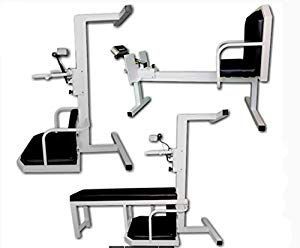
A: There are several ways in which you may include functional isometrics into your training. The first is to purchase a dedicated machine such as the ones available from:
ONE REP GYM
Q: What if I can’t afford one of these machines or I don’t want to wait to try Functional isometrics?
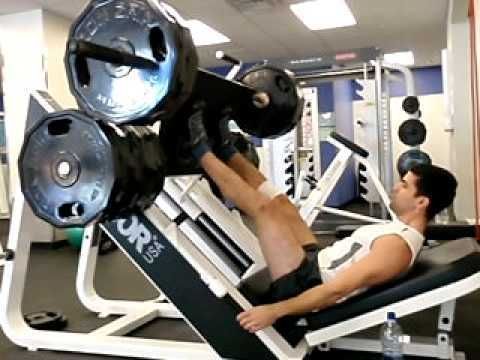
A: Well, you are in luck. All you need is access to some basic gym equipment and you can start using this highly effective style of training right away.
Q: What exercises can I perform using Functional isometrics?
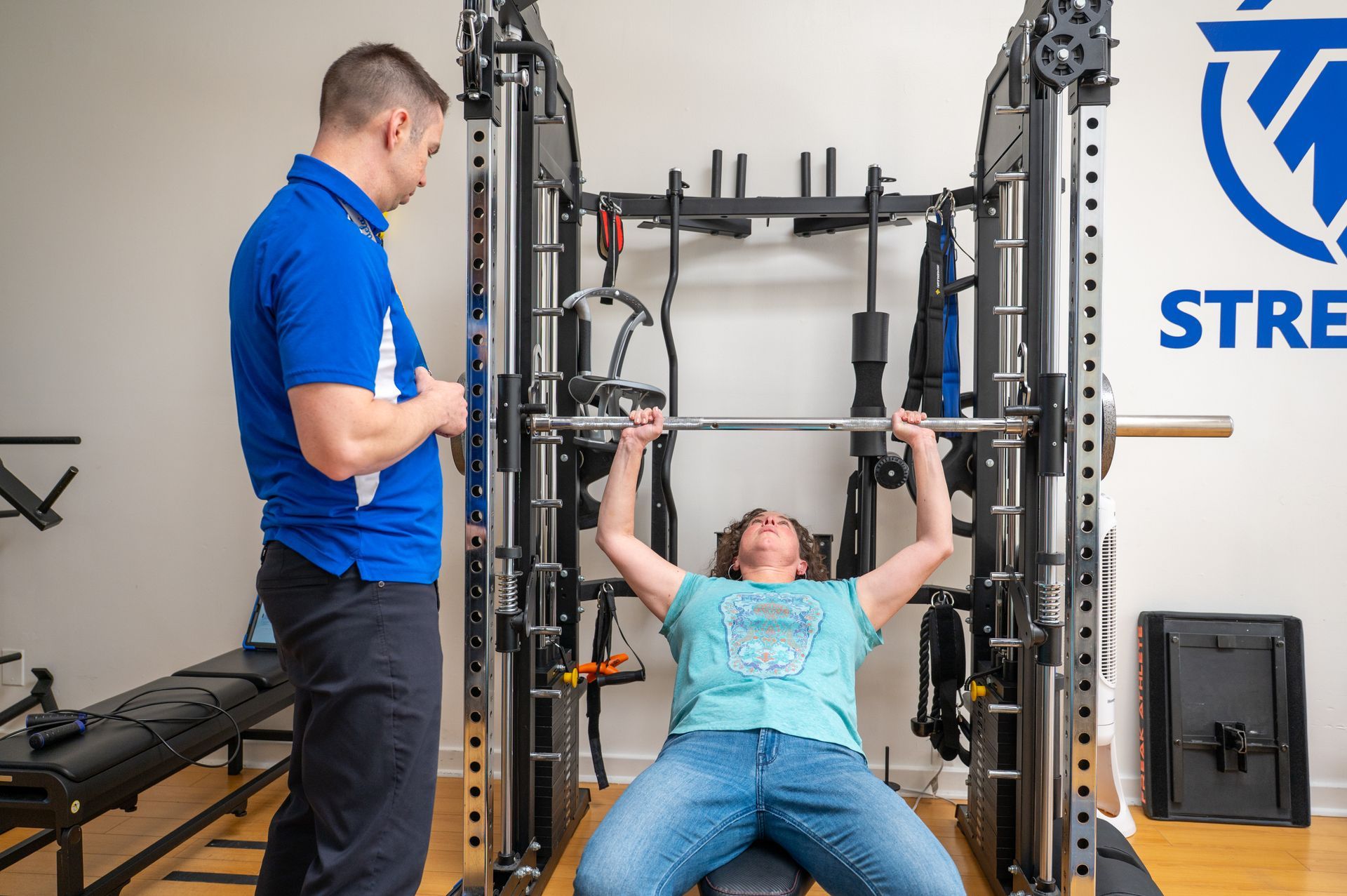
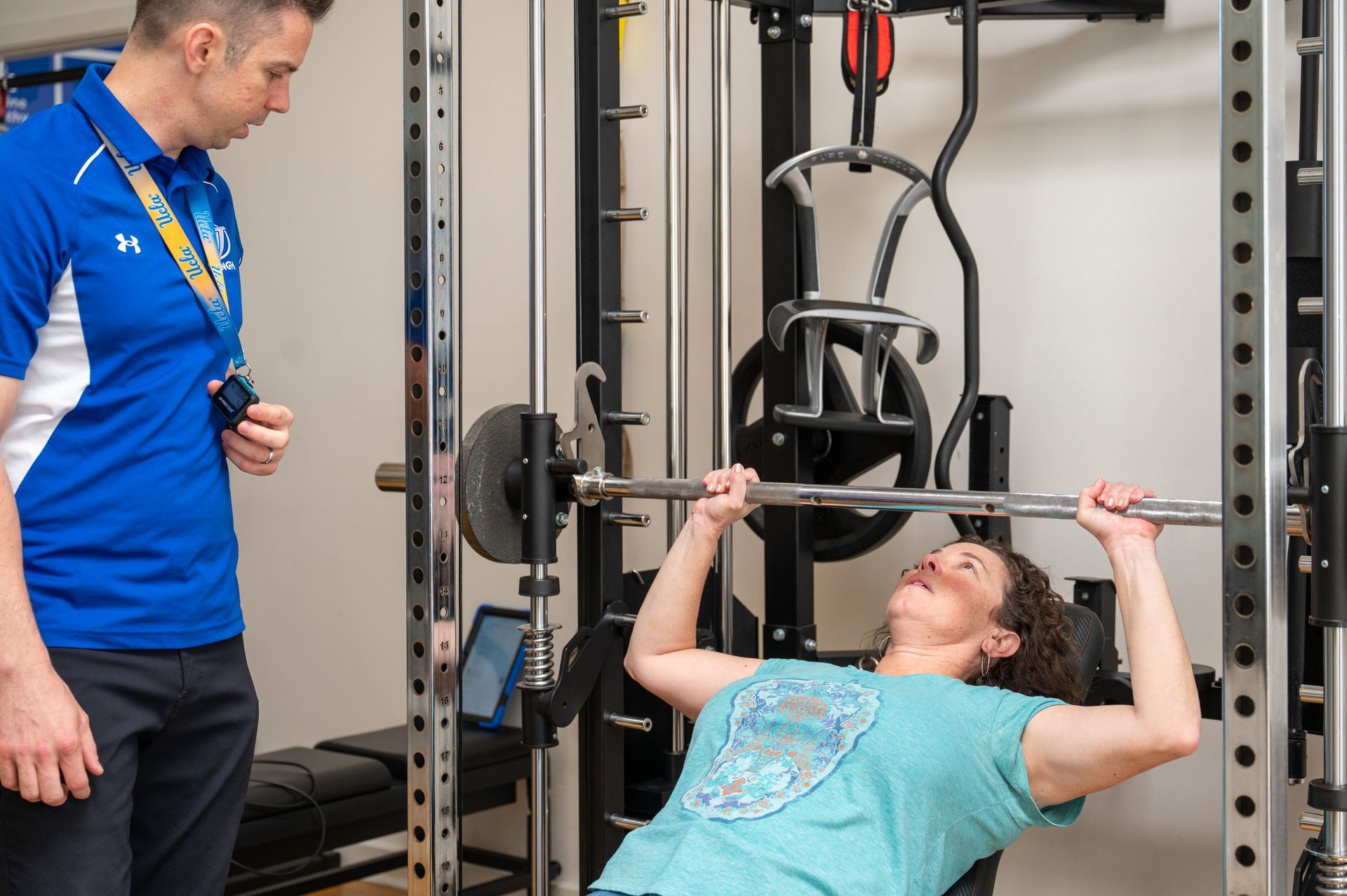
A: This type of exercise can be used with many weight lifting exercises. Traditionally power lifters and Olympic style weightlifters have used static holds to over come sticking points in exercises such as the Bench Press, Deadlift / Clean, and Overhead Press.
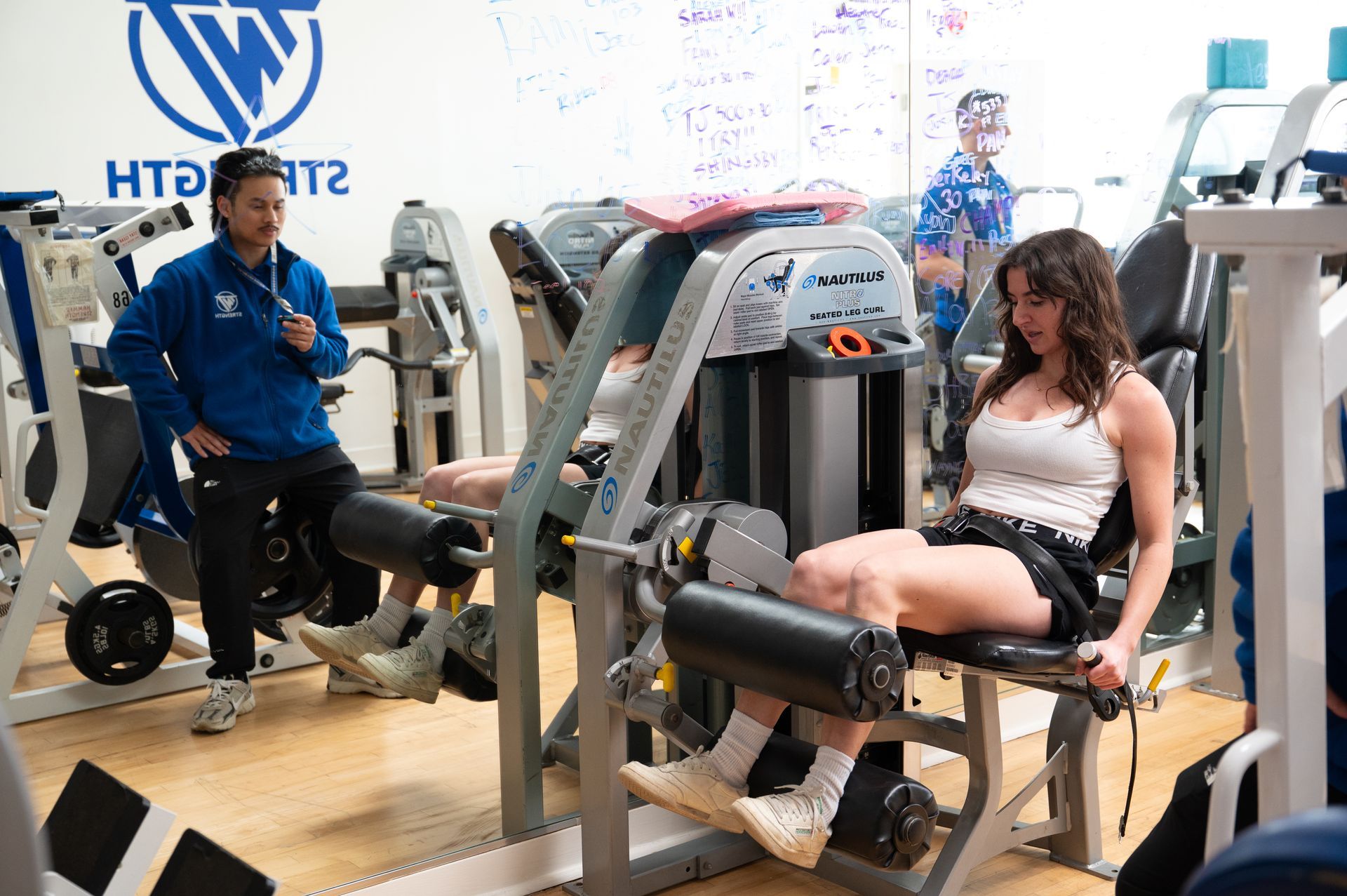
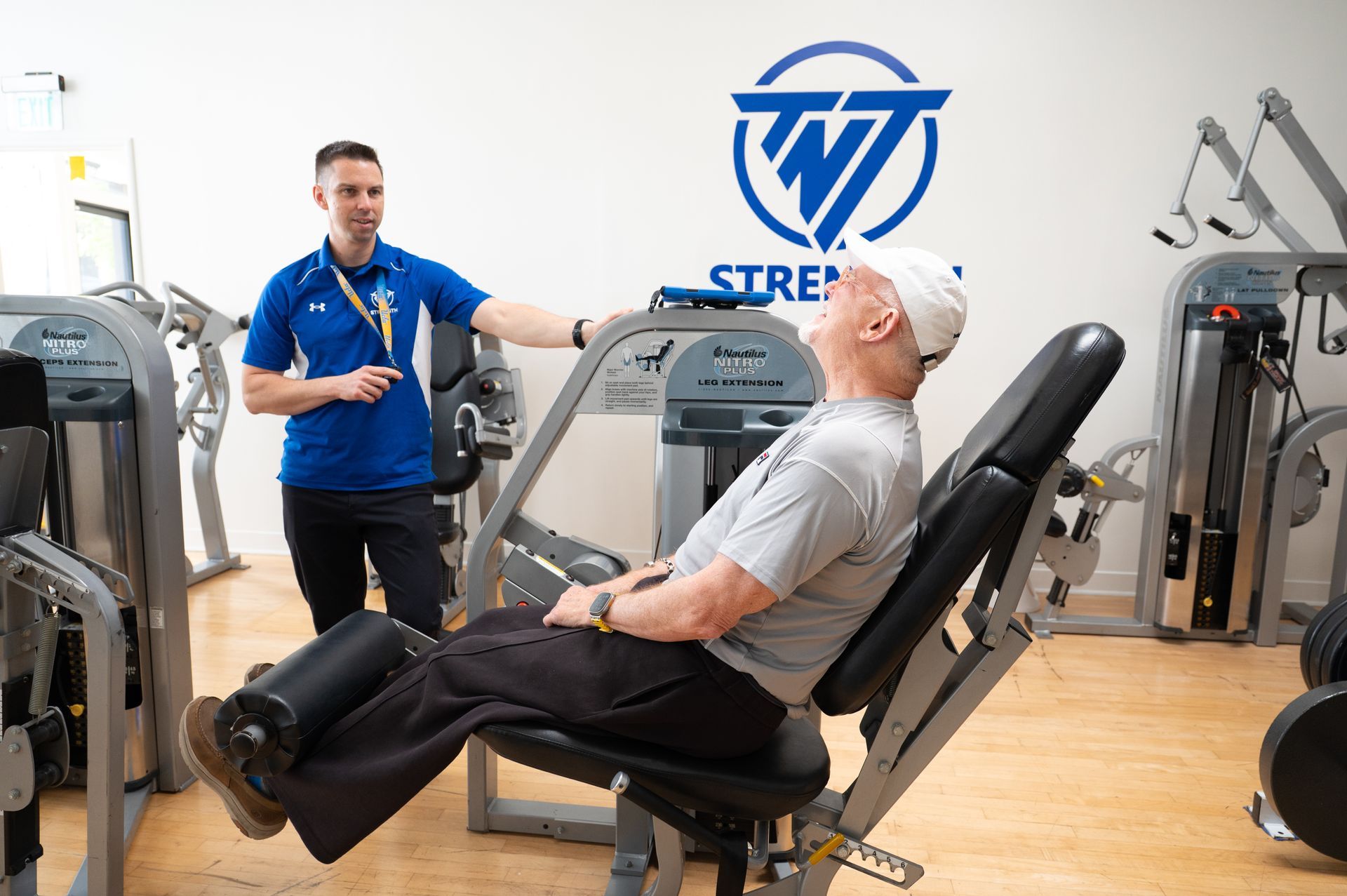
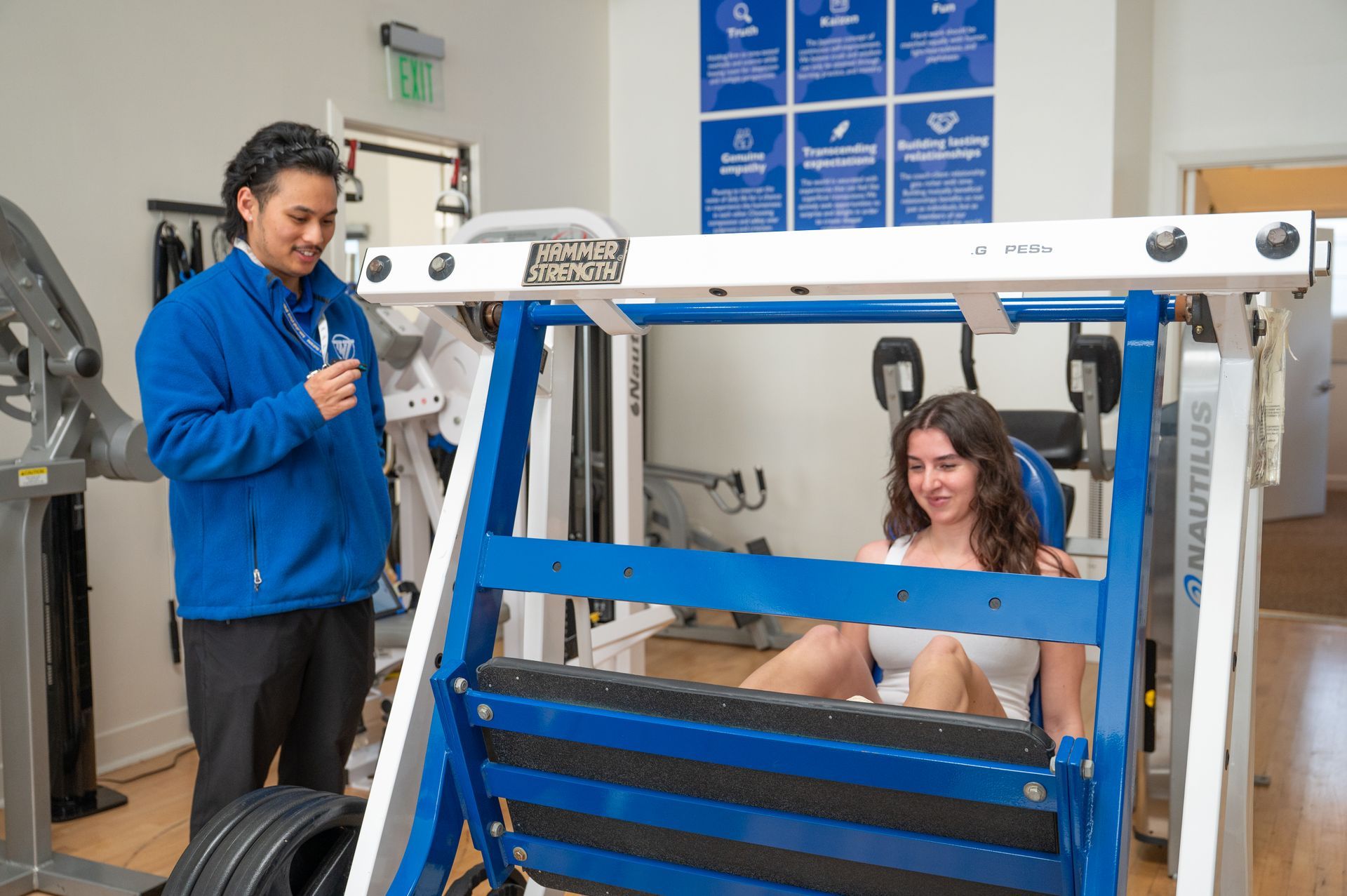
I find Functional isometrics to be effective for most of your standard pushing and pulling movements. With access to basic gym equipment such as a leg press, rowing and pull-down machines and a good power cage or Smith Machine you can perform just about any exercise you can think of.
Q: How do I execute a Functional Isometric exercise using standard Weight training equipment?
A: You start the bar at a specific height and lift it two to three inches. Then you hold the position for six to ten seconds. You keep on adding weight until you can’t lift and hold it for at least six seconds while maintaining a good lifting posture. This way you’re actually lifting weights and can quantify your progress.
Q: How do I overcome the problem of joint angle specificity?
A: If you only perform single angle movements, the problem of joint angle specificity may still apply. That’s why some may want to use three positions working the whole range of motion of a selected movement. The three positions are:
1. A few inches after the start position
2. Sticking point
3. A few inches from the final position
For more on Static - Isometric training including examples of how to set up and perform basic exercises please read part two of this article.
Experience the TNT Strength difference with a free workout.
START YOUR FITNESS TRANSFORMATION WITH A
FREE WORKOUT
Complete the form and we'll set up an appointment for you.
Recent Articles