The Real Triggers of Muscle Growth: What Matters Most
When people talk about building muscle, you'll often hear three "triggers" brought up: mechanical tension, metabolic stress, and muscle damage. Each plays a role, but not all of them are created equal. At TNT Strength, we want you to understand which factors really drive growth so you can train smarter, stay safer, and get the most from your time in the gym.
Let's break them down.

Mechanical Tension: The #1 Growth Signal
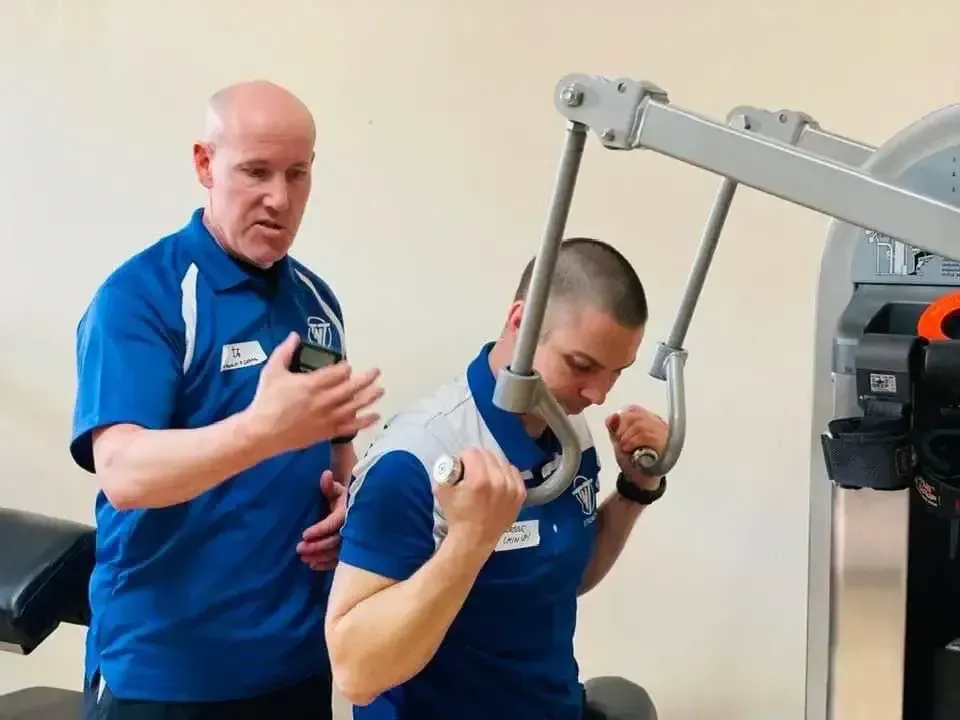
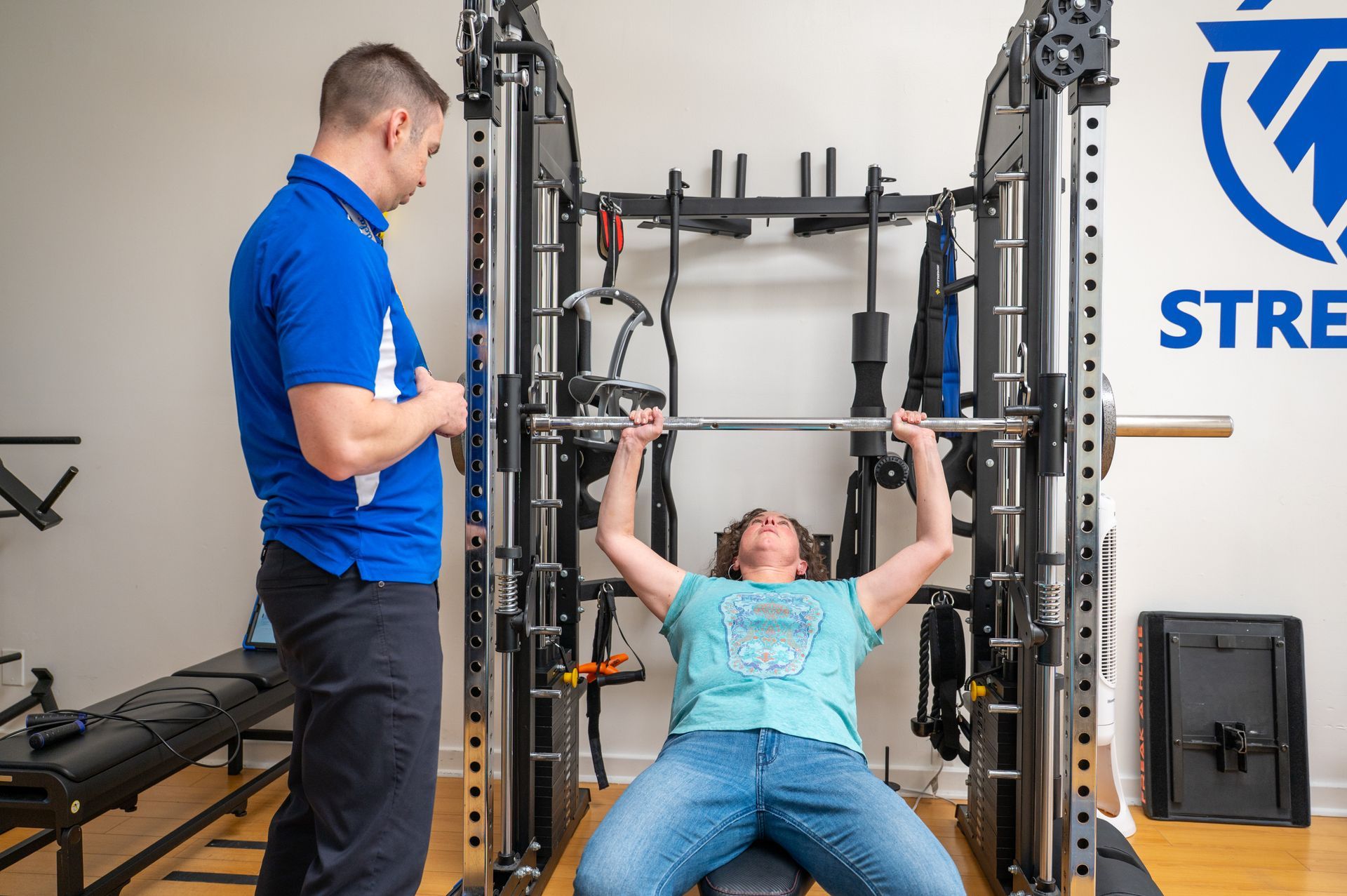
When it comes to building muscle, nothing matters more than mechanical tension . This is the force your muscles experience when they contract against resistance. The heavier the load, the slower and more controlled the rep, and the closer you get to true fatigue (Momentary Muscular Failure), the more tension you create. That tension is the spark that flips the switch for muscle protein synthesis—the actual process of building new muscle fibers.
The science is clear: of all the so-called "triggers" for hypertrophy—tension, stress, and damage— mechanical tension is king . Without it, growth doesn't happen. With it, you can reliably stimulate adaptation, provided you train hard enough to challenge your muscles and recruit all available motor units.
TAKU's Takeaway: Don't chase the burn or the soreness—chase tension . Move slowly, control every inch of every rep, and take your sets to a point of deep fatigue (A.K.A. Positive Momentary Muscular Failure). That's how you tell your muscles to grow, and that's how you get results that last.
Metabolic Stress: The "Burn" Factor
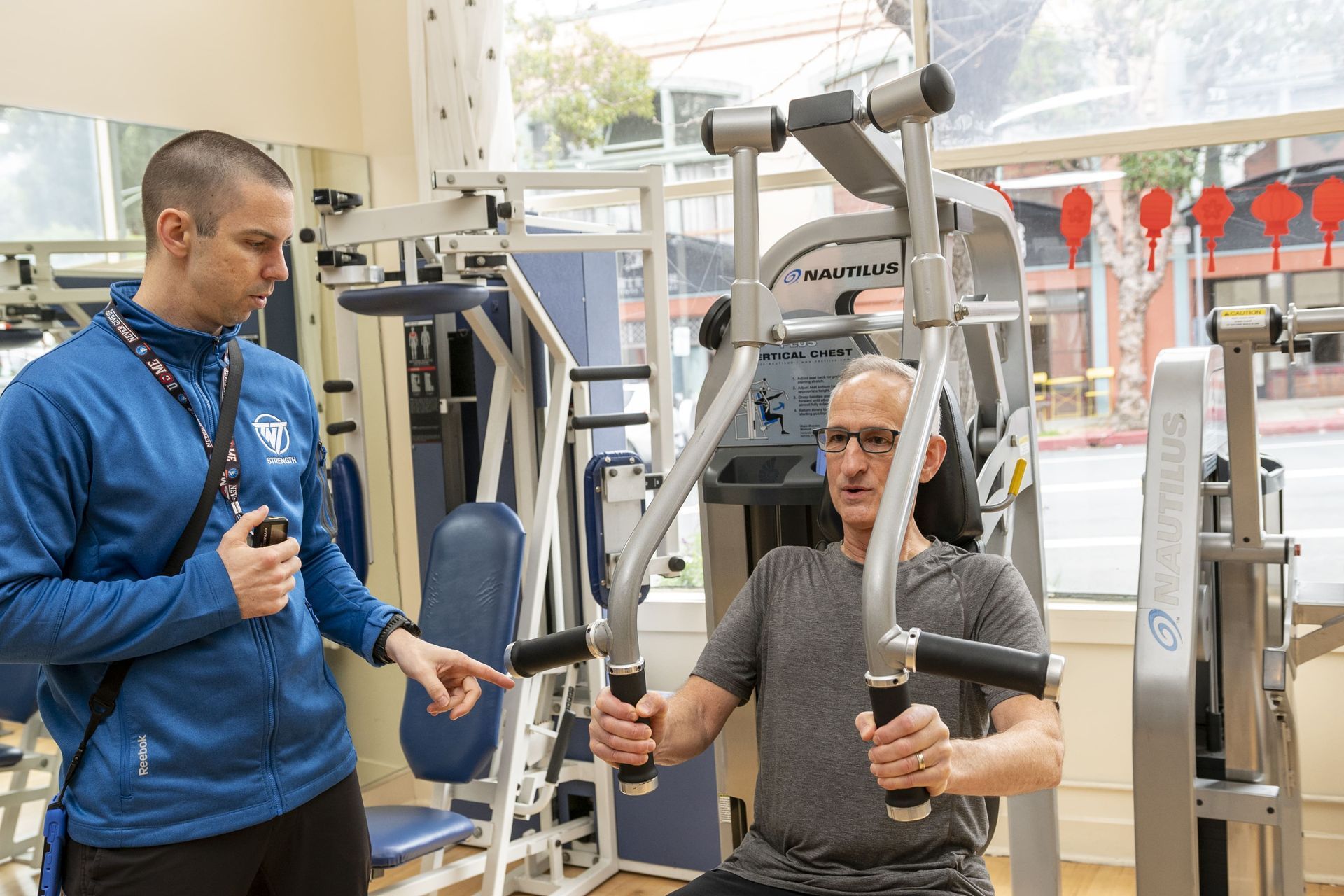
Metabolic stress is what you feel when your muscles start to burn during a set. It comes from the build-up of byproducts like lactate and hydrogen ions as your muscles work. This stress can cause the muscle cells to swell, increase fiber recruitment, and create local signals that may support growth.
But here's the truth: metabolic stress isn't a primary driver on its own. It works best when paired with adequate mechanical tension. Think of it as an amplifier—not the main signal. You'll often feel the burn in higher-rep sets or with shorter rest periods, but if those sets don't also deliver strong tension, the growth signal is weak.
TAKU's Takeaway: The burn can be a good sign that you're working hard, but don't confuse it with the real growth signal. Use metabolic stress as a tool, not the target.
Muscle Damage: Less Is More
Muscle damage happens when training causes tiny disruptions in your muscle fibers. This is what often leads to soreness after a workout. For years, people believed soreness meant growth—but science now tells us that's not the case. Muscle damage is a byproduct of training, not the goal.
Too much damage can actually slow your progress by delaying recovery and limiting how often you can train effectively. Some damage is inevitable, especially when starting a new program, but chasing soreness is a dead end. Your body grows stronger when it can recover, adapt, and repeat the stimulus consistently.
TAKU's Takeaway: Soreness doesn't equal success. Minimize unnecessary damage so you can recover faster, train consistently, and build strength over time.
TAKU's Final Note:
All three factors—tension, stress, and damage—happen when you train. But if you want to maximize results, the science is clear: mechanical tension is the primary driver of muscle growth. Metabolic stress may help, muscle damage will happen, but tension is the signal you can't afford to miss.
At TNT Strength, we train you to focus on controlled, progressive resistance. That's how you maximize tension, stimulate real growth, and build the kind of strength and muscle that lasts for life.
References
- Schoenfeld, B. J. (2010). The mechanisms of muscle hypertrophy and their application to resistance training. Journal of Strength and Conditioning Research, 24(10), 2857–2872. https://doi.org/10.1519/JSC.0b013e3181e840f3
- Schoenfeld, B. J., Grgic, J., & Haun, C. T. (2019). Mechanisms of muscle hypertrophy: current understanding and future research directions. Nature Reviews Endocrinology, 15(11), 707–714. https://doi.org/10.1038/s41574-019-0250-1
- Damas, F., Phillips, S. M., Lixandrão, M. E., et al. (2016). Early resistance training-induced increases in muscle cross-sectional area are concomitant with edema-induced muscle swelling. European Journal of Applied Physiology, 116(1), 49–56. https://doi.org/10.1007/s00421-015-3243-4
Experience the TNT Strength difference with a free workout.
START YOUR FITNESS TRANSFORMATION WITH A
FREE WORKOUT
Complete the form and we'll set up an appointment for you.
Recent Articles