The Myth of Periodization
Insights from Episode #184 of the Truth Not Trends Podcast


Welcome to the TNT Strength Blog! In our latest episode of the Truth Not Trends Podcast, host Liam “TAKU” Bauer dives into the fascinating world of periodization with two leading experts: Dr. James Fisher, PhD, Chief Science Officer for The Exercise Coach, and Tom Kelso, veteran strength and conditioning coach from www.tomkelso.com. Episode #184, titled "The Myth of Periodization," is a must-listen for anyone looking to cut through the noise and get to the heart of what really matters in strength training.
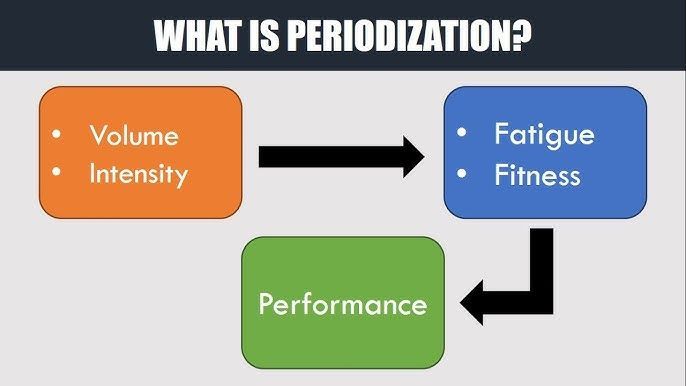
What Is Periodization?
Periodization refers to the systematic planning of training phases to optimize performance and recovery. Traditional models divide training into cycles (macrocycles, mesocycles, and microcycles), each with specific goals such as building endurance, strength, or power. While this structured approach has been a staple in athletic training, the efficacy of periodization for general fitness and non-elite populations has been increasingly questioned.
Challenging the Status Quo
Dr. Fisher and Coach Kelso argue that the rigid frameworks of periodization may not be as beneficial as many believe. They emphasize that training plans should prioritize simplicity, individualization, and adaptability over strict adherence to pre-planned cycles. Here are some key takeaways from their discussion:
1. The Overemphasis on Complexity
Periodization often involves intricate planning, but does it really lead to better results? Dr. Fisher points out that the science supporting periodization’s superiority is not as robust as it’s often portrayed. He highlights that most people—especially those not competing at elite levels—can achieve their fitness goals with far simpler approaches.
2. The Individual Factor
One size does not fit all. Tom Kelso stresses the importance of tailoring training to the individual. People have unique genetics, goals, and lifestyles, which makes rigid periodized plans impractical for most. Instead, he advocates for flexibility, allowing adjustments based on progress, feedback, and life circumstances.
3. Consistency Over Complexity
Both experts agree that consistent effort and proper recovery trump overly complicated programming. Dr. Fisher notes that many people get caught up in the allure of advanced training methods and lose sight of the basics: progressive overload, adequate rest, and good nutrition.
Practical Advice for Trainers and Trainees
So, how can you apply these insights to your own training or coaching practice? Here are some practical tips:
· Focus on Fundamentals: Build your training around core principles like progressive overload and adequate recovery.
· Adapt as You Go: Be willing to adjust your plan based on how your body responds.
· Prioritize Recovery: Overtraining is a common pitfall. Ensure you’re getting enough rest and nutrition to support your workouts.
· Simplify: Don’t overcomplicate your routine. A well-executed, straightforward program often outperforms a convoluted one.
Why This Matters
The fitness industry is rife with trends and dogmas, and periodization is no exception. Dr. Fisher and Coach Kelso’s insights remind us to question the status quo and focus on what truly works. For most people, achieving their fitness goals doesn’t require a PhD-level understanding of periodization. It requires dedication, consistency, and a willingness to listen to your body.
TAKU's NOTE:
At TNT Strength, we’re all about cutting through the noise and delivering evidence-based insights that help you train smarter. Episode #184 of the Truth Not Trends Podcast is a perfect example of this mission. Dr. James Fisher and Tom Kelso bring decades of expertise to the table, challenging conventional wisdom and advocating for a more practical approach to strength training.
If you haven’t already, give the episode a listen and let us know your thoughts. Whether you’re a seasoned trainer or just starting your fitness journey, there’s plenty to learn from this dynamic conversation.
Stay strong, stay consistent, and remember: It’s not about trends—it’s about truth.
For more reference, here is an article by the National Institute of Health (NIH): https://pmc.ncbi.nlm.nih.gov/articles/PMC5856877/
Experience the TNT Strength difference with a free workout.
START YOUR FITNESS TRANSFORMATION WITH A
FREE WORKOUT
Complete the form and we'll set up an appointment for you.
Recent Articles